
CoQ10, or coenzyme Q10, is a natural substance found in the cells of the body. It plays a crucial role in energy production and serves as a powerful antioxidant. As an ingredient that can promote overall health, understanding which foods contain CoQ10 can help individuals incorporate more of it into their diets.
This article will explore the foods rich in CoQ10, their benefits, and some practical tips for serving them in your meals. Learning to include these local and seasonal ingredients can enhance your meals while supporting your wellness journey.
What Foods Contain CoQ10?
Various foods contain CoQ10, primarily those that are high in fat, such as meats and oils, but there are also vegetarian sources available. Here’s a closer look at some of the most significant sources of CoQ10:
1. Meat and Poultry
Meats, particularly organ meats, are some of the richest sources of CoQ10. If you include meat in your diet, consider the following:
- Beef: Particularly organ meats like heart and liver, are potent sources of CoQ10.
- Pork: Also rich in CoQ10, pork shoulder, and other cuts can be beneficial.
- Poultry: Chicken and turkey, while containing lower levels than red meat, still provide a good source.
2. Fish and Seafood
Certain fish and seafood are excellent sources of CoQ10. Including these in your diet can also provide other health benefits:
- Sardines: These small fish are nutrient-dense and rich in CoQ10.
- Trout: A popular choice that is also high in omega-3 fatty acids.
- Herring: Another fatty fish that is packed with CoQ10.
- Mackerel: Known for its rich flavor and CoQ10 content.
3. Nuts and Seeds
Nuts and seeds not only provide healthy fats but are also notable sources of CoQ10. Consider adding a variety to your diet:
- Pistachios: Among the highest when it comes to nut sources.
- Peanuts: A common snack that is good for CoQ10.
- Sesame Seeds: Can be sprinkled on dishes for added nutrition.
4. Oils
Certain oils can increase your culinary diversity while adding CoQ10 to your meals:
- Canola Oil: A versatile oil that can be used for cooking or dressing.
- Olive Oil: Known for its healthy fats, it also contains CoQ10.
- Soybean Oil: Often used in processed foods, it’s another source of CoQ10.
5. Vegetables
While vegetables may not be the richest sources, some still provide a decent amount of CoQ10 and should not be overlooked:
- Spinach: This leafy green is packed with nutrients and moderate levels of CoQ10.
- Broccoli: A cruciferous vegetable high in various vitamins and minerals.
- Cauliflower: Another versatile vegetable that contributes to your CoQ10 intake.
- Brussels Sprouts: Adding these to meals ensures additional CoQ10 intake.
6. Whole Grains
Whole grains provide a variety of nutrients, including CoQ10. Here are some grains to consider:
- Wheat Germ: Particularly nutrient-rich, it offers good levels of CoQ10.
- Oats: A healthy breakfast choice that can contribute to your daily intake.
7. Legumes
Certain legumes also contain CoQ10, making them an excellent addition, especially for vegetarians:
- Peas: Easy to incorporate into various dishes.
- Beans: A great protein source that also provides CoQ10.
8. Dairy Products
If you consume dairy, including these products can add CoQ10 to your diet:
- Cheese: Certain types like cheddar and mozzarella are sources of CoQ10.
- Milk: Both full-fat and low-fat varieties contribute to CoQ10 intake.
Healthy Ways to Incorporate CoQ10-Rich Foods
Now that you know what foods contain CoQ10, here are some practical ways to incorporate them into your meals:
1. Meal Planning Tips
- Balance Your Plate: Aim to include a source of CoQ10 alongside every meal. For example, pair grilled chicken with a side of spinach salad or incorporate fish into a pasta dish with broccoli.
- Snack Smart: Choose CoQ10-rich nuts and seeds as a snack. A handful of pistachios or a mix of seeds can make a nutritious option.
- Explore Oils: Use olive oil or canola oil in salad dressings or for sautéing vegetables to enhance flavor while boosting your CoQ10 intake.
2. Cooking Techniques
How you prepare CoQ10-rich foods can influence their nutritional benefits:
- Grilling and Roasting: These methods can enhance the flavor of meats, fish, and vegetables while maintaining nutritional value.
- Steaming Vegetables: Steaming helps retain the CoQ10 content in vegetables like broccoli and spinach.
- Incorporating Beans in Soups or Salads: Add beans to soups or salads for a boost of both protein and CoQ10 in simple ways.
3. Recipes to Try
While the most direct way to consume CoQ10 is through whole foods, combining these ingredients into recipes can make for enjoyable meals:
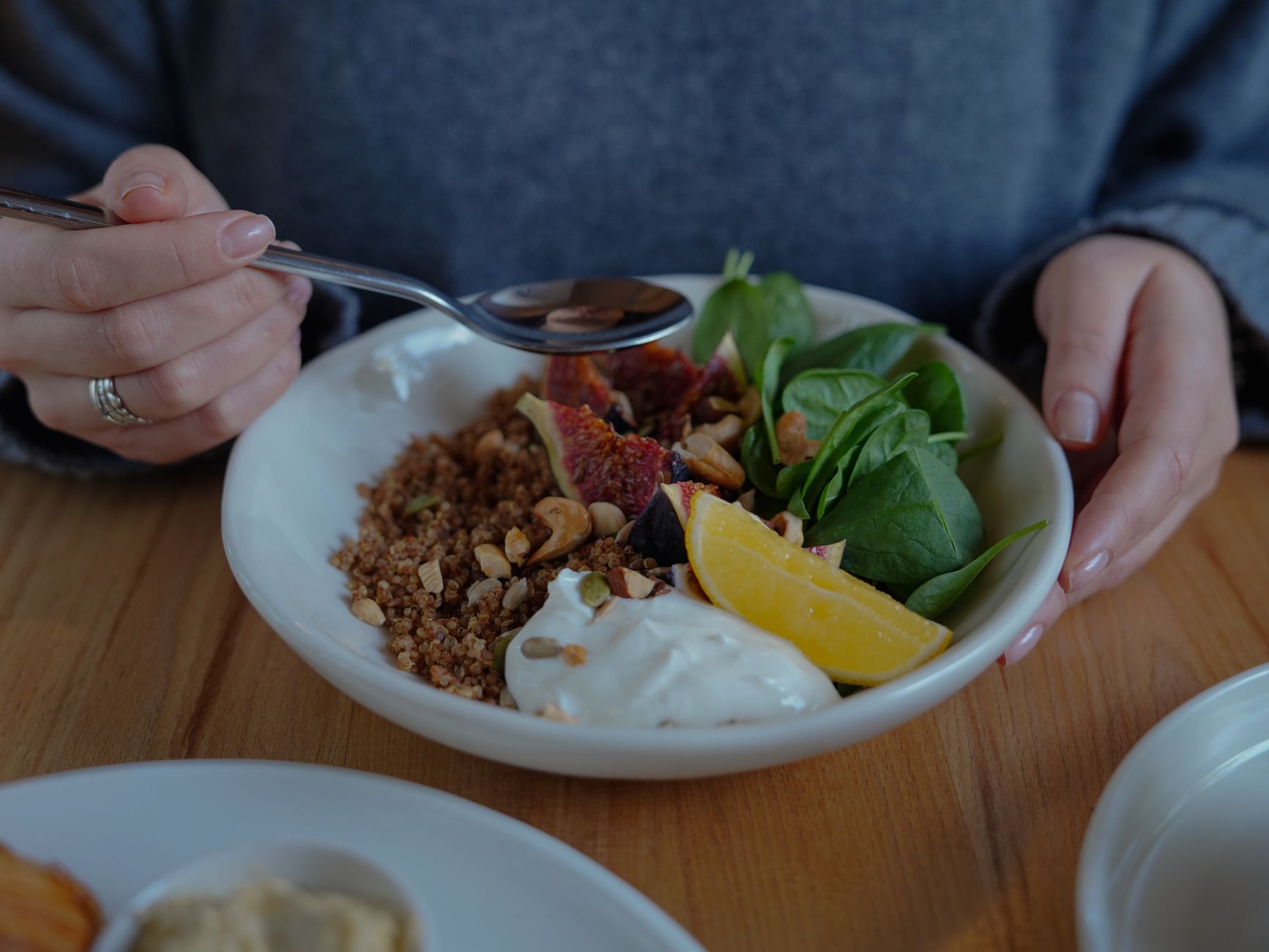
- Quinoa Salad with Spinach and Chickpeas: Combine cooked quinoa with fresh spinach, canned chickpeas, cherry tomatoes, and a lemon-olive oil dressing.
- Grilled Salmon with Sauteed Brussels Sprouts: Grill salmon fillets and serve with sautéed Brussels sprouts tossed in garlic and olive oil.
- Nuts and Seeds Trail Mix: Create a mix using pistachios, peanuts, sunflower seeds, and a sprinkle of dark chocolate for a tasty snack.
Common Questions About CoQ10
What is the daily recommended intake of CoQ10?
Currently, there is no established daily recommended intake for CoQ10. However, incorporating a variety of CoQ10-rich foods into a balanced diet is generally recommended.
Can cooking affect the CoQ10 content in foods?
Yes, cooking can affect the CoQ10 content. For example, boiling vegetables may lead to nutrient loss. Steaming or roasting are generally better methods for retaining CoQ10.
Are there any dietary restrictions to consider?
Vegetarians may find it more challenging to obtain adequate CoQ10 levels since many top sources are animal-based. Focusing on nuts, seeds, whole grains, and legumes can help mitigate this issue.
Storage and Freshness of CoQ10 Foods
Proper storage can help maintain the CoQ10 levels in your foods:
- Meat and Fish: Keep refrigerated or frozen, use within a few days for best quality.
- Nuts and Seeds: Store in an airtight container in a cool, dark place to prevent rancidity.
- Vegetables: Store in the refrigerator and consume them within a few days to retain CoQ10 content.
Conclusion
Incorporating CoQ10 into your diet is straightforward with the right knowledge. By including various sources like meats, fish, nuts, seeds, and vegetables, you can enjoy nutritious meals while boosting your CoQ10 intake. Consider adjusting your meal planning to incorporate these foods regularly for added health benefits.
To continue exploring healthful ingredient possibilities, discover our Chia Pudding Recipe or learn How Long Should Chia Seeds Soak for delicious and nutritious meal enhancements.