
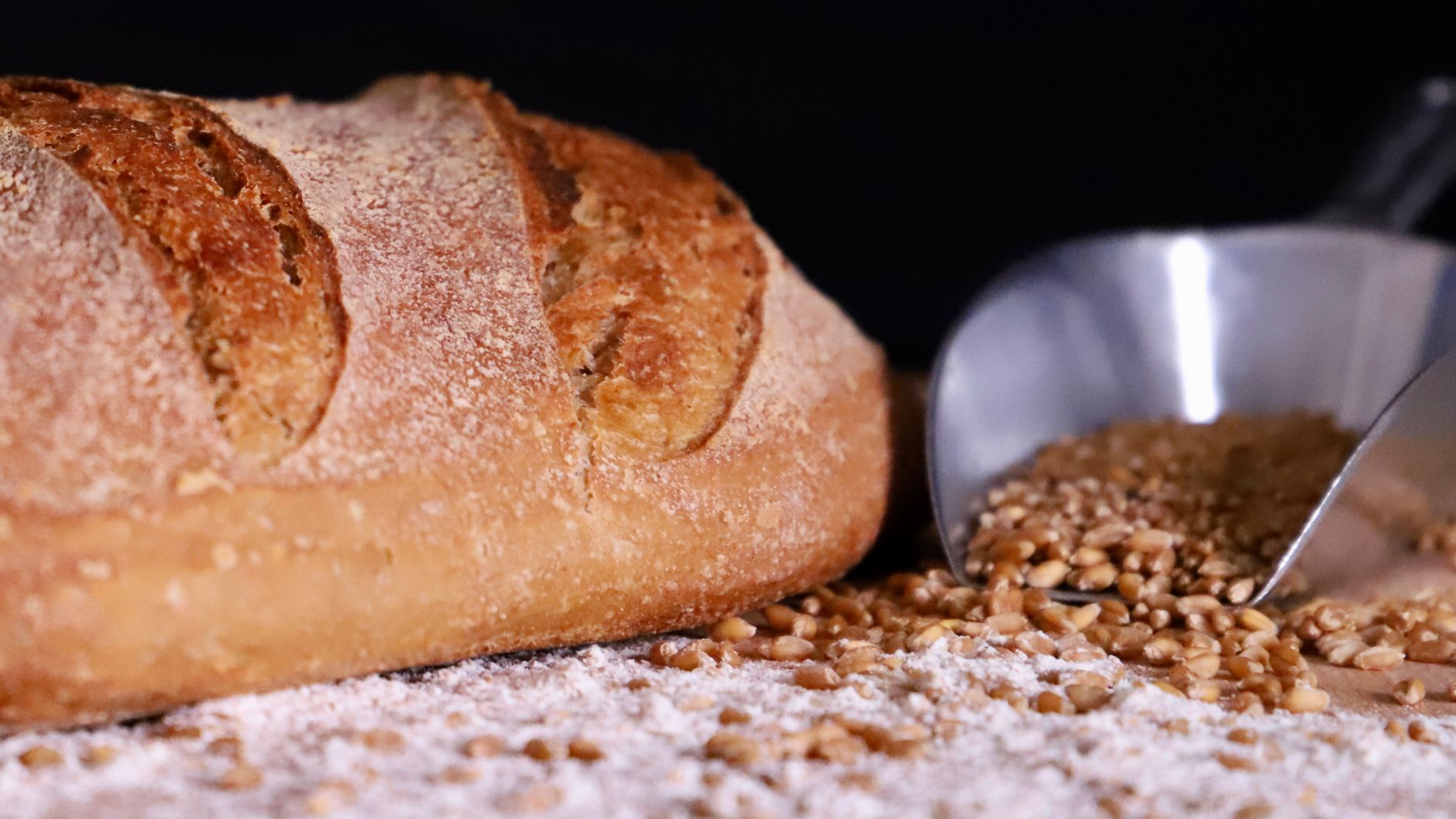
Sourdough bread has gained immense popularity in recent years, often touted as a healthier alternative to regular bread. But what does this really mean? Understanding the differences between sourdough and conventional bread can help you make informed choices based on your dietary needs and preferences.
This article will explore the nutritional aspects, health benefits, and overall quality of sourdough bread compared to regular bread, as well as how to incorporate both into a balanced diet.
Is Sourdough Bread Healthier Than Regular Bread?
Yes, sourdough bread is generally considered healthier than regular bread due to its unique fermentation process, which enhances its nutritional profile and digestibility. However, individual preferences and health needs should guide your choice of bread.
Understanding Sourdough and Regular Bread
To comprehend the health benefits of sourdough bread, it is crucial to understand what distinguishes it from regular bread. Regular bread is typically made from commercial yeast, flour, water, and salt, while sourdough is created through a natural fermentation process utilizing wild yeast and lactic acid bacteria.
The Fermentation Process
In sourdough, the fermentation begins when a starter culture containing wild yeast and bacteria is combined with flour and water. Over time, this mixture ferments, creating a leavening agent that not only helps the bread rise but also contributes to its unique flavor profile.
The fermentation process is slower than the fast rising method used for conventional bread. This extended fermentation enhances the nutritional quality of sourdough, as beneficial bacteria break down gluten and phytic acid, a compound that can inhibit nutrient absorption.
Ingredients Comparison
Here’s a quick comparison of ingredients used in both types of bread:
| Ingredient | Sourdough Bread | Regular Bread |
|---|---|---|
| Yeast | Natural fermentation (wild yeast) | Commercial yeast |
| Flour | Whole grain or all-purpose | Usually all-purpose |
| Salt | Yes | Yes |
| Additional ingredients | Potentially more natural ingredients | May contain additives and preservatives |
Nutritional Benefits of Sourdough Bread
Sourdough bread offers several advantages compared to regular bread, primarily due to its fermentation process. Here are some notable nutritional benefits:
Improved Digestibility
The fermentation process involved in sourdough bread breaks down gluten, making it easier for many people to digest. This could be particularly beneficial for individuals with gluten sensitivity, although it is not suitable for those with celiac disease.
Lower Glycemic Index
Sourdough bread generally has a lower glycemic index (GI) than regular bread. This means that it causes a slower rise in blood sugar levels, which can be advantageous for individuals managing diabetes or those looking to control their weight.
Enhanced Nutritional Profile
During fermentation, phytic acid is reduced, which can enhance the bioavailability of minerals like magnesium, iron, and zinc. This means that your body can more easily absorb these essential nutrients when consuming sourdough bread.
Probiotics
Sourdough bread contains beneficial bacteria that may support gut health. While not all of these bacteria survive the baking process, the fermentation process may still promote a healthier gut microbiome.
Nutritional Profile Comparison
To illustrate the differences, let’s compare the approximate nutritional values of sourdough and regular bread:
| Nutrient | Sourdough Bread (per 100g) | Regular Bread (per 100g) |
|——————–|—————————–|————————–|
| Calories | 250 | 265 |
| Carbohydrates | 51g | 50g |
| Protein | 9g | 8g |
| Fat | 1.5g | 3g |
| Fiber | 3g | 2g |
| Glycemic Index | 54 | 70 |
Potential Downsides of Sourdough Bread
While sourdough bread has numerous health benefits, it may not be suitable for everyone. Here are a few considerations:
Time and Effort
Making sourdough bread at home requires a commitment to the fermentation process. It can take several hours to days to create a starter and prepare the dough. For some, the time involved may not seem worth it compared to the convenience of buying regular bread.
Cost
Sourdough bread can be more expensive than regular bread, especially if purchased from artisanal bakeries. The costs of high-quality ingredients and the longer fermentation process contribute to this price difference.
Not All Sourdough Is Created Equal
Not every loaf labeled as “sourdough” is made using traditional methods. Some mass-produced sourdough bread may contain commercial yeast, additives, or preservatives. To ensure you are getting a true sourdough bread with health benefits, it’s best to check the ingredient list or consider making it at home.
How to Incorporate Sourdough and Regular Bread in Your Diet
Including both sourdough and regular breads in your diet can offer variety and nutritional benefits. Here are some practical tips:
Choose Whole Grains
Whether you opt for sourdough or regular bread, look for whole grain options. Whole grains offer fiber and essential nutrients that contribute to a balanced diet.
Pair with Nutritious Toppings
Enhance the nutritional value of your bread by pairing it with healthy toppings. Consider avocado, nut butters, or lean proteins as nutritious options to create a satisfying meal or snack.
Moderation is Key
Bread can be part of a healthy diet when consumed in moderation. Pay attention to portion sizes and consider your overall carbohydrate intake, especially if you are managing blood sugar levels.
How to Make Sourdough Bread at Home
If you are inspired to try making sourdough bread at home, here’s a basic overview of the steps involved:
Ingredients
- Flour (typically, all-purpose or whole wheat)
- Water
- Sourdough starter
- Salt
Equipment Needed
- Mixing bowl
- Dutch oven or baking stone
- Kitchen scale (optional for accuracy)
- Bench scraper
- Proofing basket or bowl
Basic Method
- Prepare your sourdough starter by feeding it at least a few hours before you start mixing your dough.
- In a mixing bowl, combine flour and water, then add the sourdough starter. Mix until fully combined.
- Let the mixture rest for about 30 minutes. This is known as the autolyse phase.
- Add salt to the dough and mix thoroughly.
- Begin the bulk fermentation, folding the dough every 30 minutes for a total of 4 hours.
- Shape the dough and place it into a proofing basket. Let it rise for about 2 to 4 hours at room temperature or refrigerate overnight for a more complex flavor.
- Preheat your oven to 450°F (232°C) with a Dutch oven inside.
- When ready, carefully place the dough into the hot Dutch oven, cover it, and bake for 30 minutes, then uncover and bake for another 15 to 20 minutes until golden and crispy.
- Let the bread cool completely before slicing.
For a detailed recipe, you can check out King Arthur’s sourdough recipe for more guidance.
Making Healthy Choices
Ultimately, whether you choose sourdough or regular bread, it’s essential to understand your nutritional needs and preferences. Sourdough bread provides several advantages due to its fermentation process, but regular bread can still fit into a balanced diet when selected thoughtfully.
When choosing bread, look for options with whole grains, minimal additives, and those that satisfy your taste buds. Remember, the best bread is one that aligns with your health goals and lifestyle.
Summary
Sourdough bread tends to be healthier than regular bread because of its fermentation process, which improves digestibility, lowers glycemic index, and enhances nutrient availability. While both types of bread can be part of a balanced diet, choosing high-quality ingredients and considering your individual health needs will lead to the best choices.
For more ideas on baking and healthy eating, explore a variety of recipes and tips available on our blog. You can start by checking out our detailed King Arthur sourdough recipe or try an einkorn sourdough bread recipe that brings unique flavors to your table.