
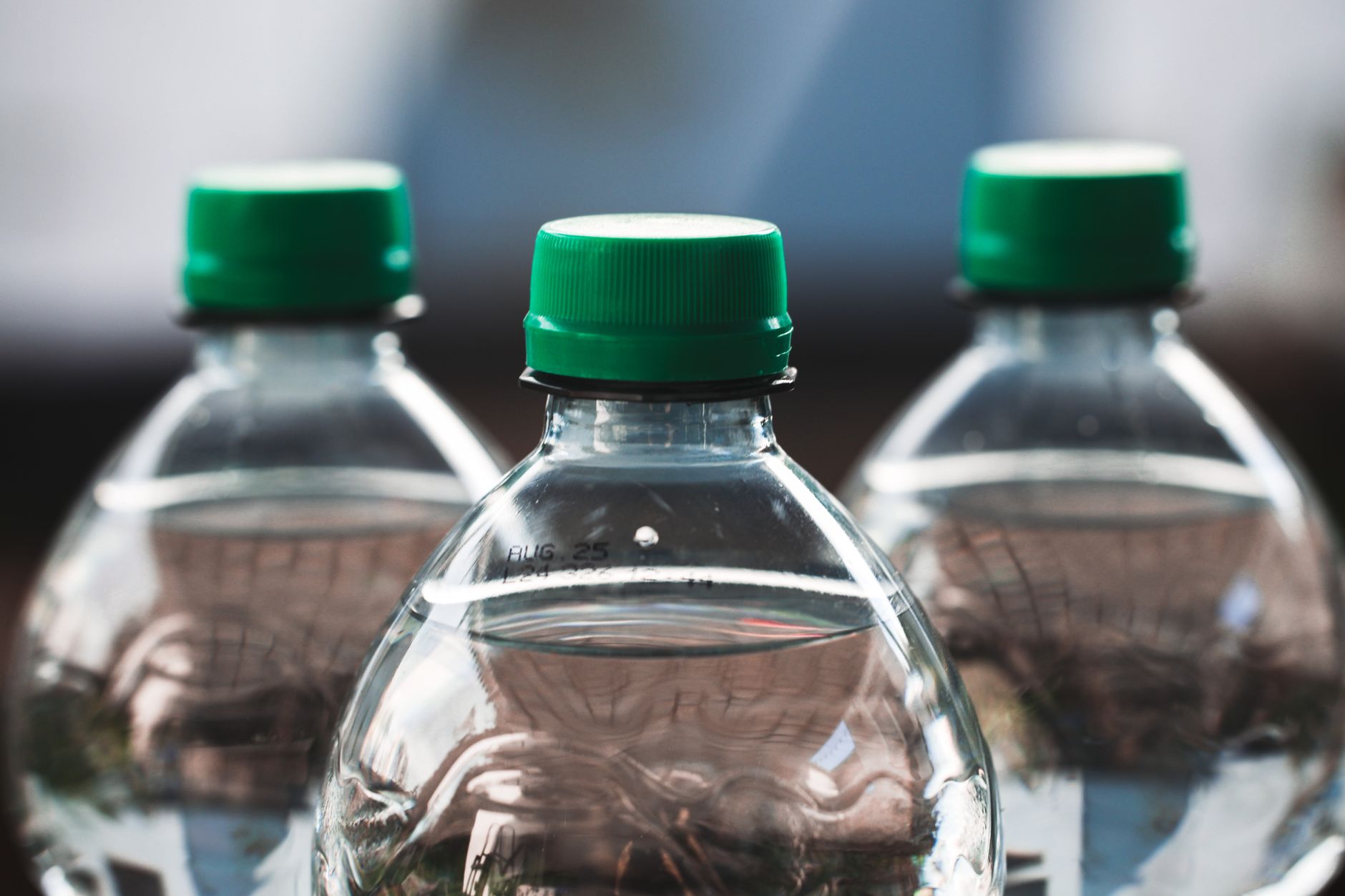
Understanding how many ounces of water you should drink daily is essential for maintaining good health and hydration. While there is a widely accepted recommendation of eight 8-ounce glasses of water a day, the optimal amount can vary depending on numerous factors such as age, activity level, and climate.
In this article, we will explore how to determine the right amount of water for your individual needs, discuss the importance of hydration, and offer some tips for getting enough fluids throughout the day.
How Many Ounces Should You Drink a Day?
Most health experts recommend drinking approximately 64 ounces (or 8 cups) of water per day for optimal hydration. However, depending on factors like body weight, activity level, and climate, your individual needs may vary, and you may need more or less water.
The Importance of Hydration
Hydration plays a crucial role in numerous bodily functions. Here are several key reasons why staying hydrated is important:
- Regulating Body Temperature: Water helps maintain a stable body temperature, especially during exercise or hot weather.
- Joint Lubrication: Proper hydration helps keep joints lubricated, reducing the likelihood of injuries and discomfort.
- Nutrient Transportation: Water is essential for transporting nutrients and oxygen throughout the body.
- Digestive Health: Sufficient hydration supports overall digestive processes and prevents constipation.
- Skin Health: Adequate water intake can improve skin texture and appearance.
- Detoxification: Water helps remove waste and toxins from the body through urine.
Factors Affecting Daily Water Intake
While the general guideline is 64 ounces, several individual factors can influence how much water you need per day:
1. Body Weight
Your weight is a significant indicator of how much water you should consume. A common recommendation is to drink half your body weight in ounces of water. For example, if you weigh 150 pounds, aim for about 75 ounces of water daily.
2. Activity Level
People who are physically active or exercise regularly require more water to replace fluids lost through sweating. A good rule of thumb is to drink an additional 12 ounces of water for every 30 minutes of intense exercise.
3. Climate
Hot or humid weather increases perspiration, making hydration even more important. If you’re in such an environment, consider increasing your daily water intake to compensate for additional fluids lost.
4. Age and Gender
Age and gender can influence hydration needs. Generally, men may need more fluids than women, and older adults may experience decreased thirst sensation, requiring them to consciously monitor their water intake.
5. Dietary Considerations
Some foods, such as fruits and vegetables, have high water content, contributing to your overall fluid intake. On the other hand, salty and sugary foods may lead to dehydration, necessitating additional water consumption.
Signs of Dehydration
Recognizing the signs of dehydration can help you adjust your fluid intake appropriately. Common symptoms include:
- Thirst
- Dark yellow urine
- Dry mouth or throat
- Fatigue
- Dizziness or lightheadedness
Tips for Staying Hydrated
Here are some practical strategies for ensuring you drink enough water each day:
1. Keep Water Accessible
Having a water bottle on hand makes it easier to drink throughout the day. Consider investing in a reusable water bottle that you enjoy using.
2. Set Reminders
Set alarms on your phone or use apps to remind you to drink water at regular intervals. Small, frequent sips throughout the day can help you meet your hydration goals.
3. Infuse Your Water
If plain water is unappealing, try infusing it with slices of fresh fruits or herbs, such as lemon, cucumber, mint, or berries. This can enhance the flavor without added sugars.
4. Eat Water-Rich Foods
Incorporate foods that contain high amounts of water, such as cucumbers, watermelon, oranges, strawberries, and spinach into your diet. These contribute to your daily fluid intake.
5. Drink Before Meals
Make it a habit to drink a glass of water before each meal. This not only helps with hydration but may also assist in digestion.
6. Track Your Intake
Consider using a hydration tracker to monitor your daily water consumption. Several apps can help you keep track of how much you’re drinking.
How to Calculate Your Daily Water Intake
To get a personalized estimate of your daily water needs, follow these steps:
- Determine your body weight in pounds.
- Use the formula: Body Weight (lbs) x 0.5 = Daily Water Intake (in ounces).
- Adjust this number based on your activity level, climate, and other factors discussed earlier.
Special Hydration Needs
Different populations may have unique hydration needs, including:
1. Athletes
Athletes and individuals engaging in intense workouts may require significantly more hydration. Monitoring fluid loss during exercise and replacing it can prevent dehydration and enhance performance.
2. Pregnant and Breastfeeding Women
Pregnant women typically need additional hydration due to increased metabolic demands, while breastfeeding women also require extra fluids to support milk production.
3. Individuals with Certain Health Conditions
Those with illnesses or medical conditions (like fever, vomiting, or diarrhea) may also need increased fluid intake to support recovery and proper function.
Risks of Overhydration
While hydration is crucial, it is possible to drink too much water, leading to a condition known as hyponatremia or water intoxication. This results in an imbalanced electrolyte level in the body.
- Symptoms may include nausea, headache, confusion, and in severe cases, seizures or coma.
- To avoid this, listen to your body’s signals and drink according to your thirst level.
Conclusion
Understanding how many ounces of water you should drink daily is vital for maintaining optimal health. By considering factors like body weight, activity level, and climate, you can better assess your hydration needs and stay ahead of dehydration. Incorporating practical hydration tips can ease the process of drinking enough water each day.
To help refine your hydration habits, consider exploring the best bottled water options or experiment with hydrating chia pudding recipes that can help you meet your fluid intake goals. Stay healthy and hydrated!