
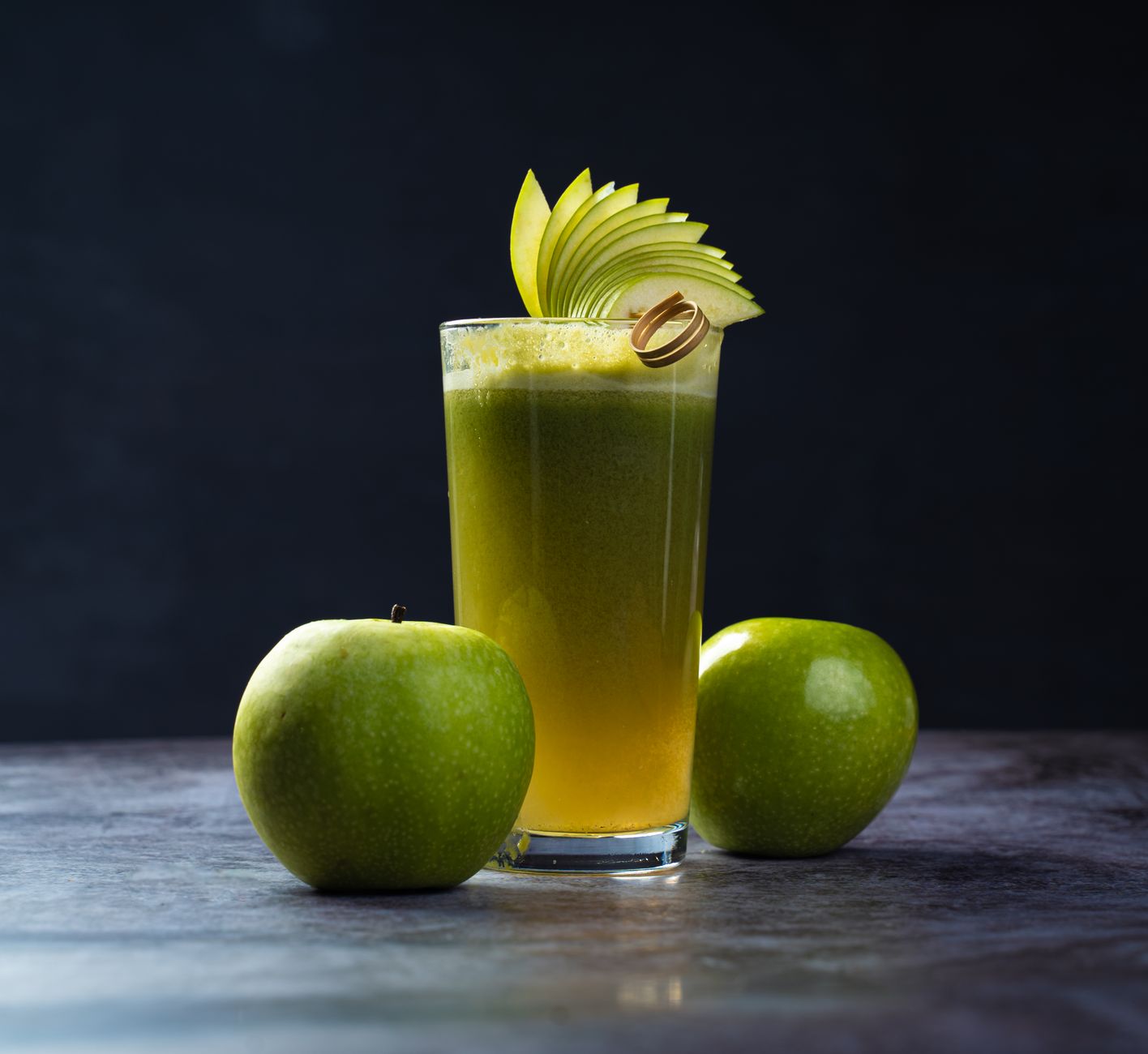
Dehydration occurs when your body loses more fluids than it takes in, leading to an imbalance that can affect your health. Staying hydrated is essential, particularly in hot weather or after intense exercise. Among the various beverages available, apple juice is often considered a refreshing option. But is apple juice good for dehydration?
In this article, we will explore the nutritional aspects of apple juice, its effectiveness in combating dehydration, portion sizes, and practical recommendations for using it as part of your hydration strategy. We’ll also cover potential health benefits and some tips for making informed choices regarding apple juice consumption.
Is Apple Juice Good for Dehydration?
Yes, apple juice can help with dehydration as it contains a significant amount of water, essential sugars, and electrolytes. While it’s not as effective as plain water in hydrating the body, its natural sugars and taste can encourage fluid intake, making it a useful option in moderation when rehydrating.
Understanding Dehydration
Dehydration can happen for a variety of reasons, including hot weather, physical exertion, illness, or inadequate fluid intake. Symptoms of dehydration may range from mild to severe and can include:
- Thirst
- Dry mouth
- Fatigue
- Dizziness
- Dark-colored urine
- Headaches
Understanding your fluid needs is critical. The general recommendation is to drink about eight 8-ounce glasses of fluids daily, often referred to as the “8×8 rule.” However, individual hydration needs can vary based on factors such as age, activity level, and climate.
Nutritional Overview of Apple Juice
Apple juice is made from pressing apples and extracting the liquid. While delicious and sweet, it’s important to consider its nutritional profile as well as how it compares to other hydrating beverages.
Composition of Apple Juice
Typically, one cup (approximately 240 mL) of apple juice contains:
- Calories: 114
- Carbohydrates: 29 grams
- Sugars: 24 grams
- Protein: 0.2 grams
- Fat: 0 grams
- Potassium: 250 mg
- Vitamin C: 1% of the Daily Value (DV)
Although apple juice contains natural sugars, it lacks some of the nutrients found in whole apples, such as fiber, vitamins, and minerals.
Hydration Properties
Apple juice is around 88% water, making it a hydrating option when consumed in moderation. However, it should not be your sole source of hydration. The sugars in juice can lead to increased calorie consumption that may not be necessary if you’re just looking to rehydrate.
How Apple Juice Compares to Other Hydration Options
When considering hydration from beverages, it’s valuable to compare apple juice with other popular options:
| Beverage | Water Content (%) | Calories (per cup) |
|---|---|---|
| Water | 100 | 0 |
| Coconut Water | 95 | 46 |
| Sports Drink | 95 | 50 |
| Apple Juice | 88 | 114 |
As illustrated in the table, while apple juice does provide hydration, it is important to note the calories it contains as opposed to calorie-free options like water. Coconut water and sports drinks, while lower in calories than apple juice, also contain electrolytes that can further aid rehydration.
Portions and Serving Recommendations
When considering incorporating apple juice into your diet for hydration, portion control is essential. A typical serving size of apple juice is 4 to 6 ounces, which is sufficient for beneficial hydration without excessive calorie and sugar intake.
Practical Serving Suggestions
- Mix with Water: To reduce the sugar content, consider diluting apple juice with water. Mixing equal parts apple juice and water provides hydration along with a mild flavor.
- Add to Smoothies: Blend apple juice into smoothies with greens, yogurt, or other fruits for a nutritious drink. This helps to retain some fiber and adds volume and nutrition.
- Ice Cubes: Freeze apple juice into ice cubes and add them to water or herbal teas for a refreshing taste.
Hydration-Boosting Tips Using Apple Juice
To enhance the hydrating effects of apple juice, consider the following tips:
- Balance Electrolytes: When consumed after exercise, consider pairing apple juice with a source of protein, such as yogurt or nuts, to balance out sugar and calories while adding essential electrolytes.
- Combine with Other Juices: Mixing apple juice with other juices like orange or beet juice can improve its nutritional profile. Orange juice, for instance, is high in Vitamin C and potassium, enhancing hydration.
- Drink Freshly Squeezed: If possible, opt for freshly squeezed apple juice instead of commercially processed varieties. Fresh juice retains more nutrients and fewer preservatives.
How to Read Labels
When purchasing apple juice, pay attention to the label to make informed choices:
- 100% Juice: Look for labels that specify “100% juice”, which means there are no added sugars or artificial ingredients.
- No Added Sugar: Watch for products that do not include additional sugars; this affects both calorie content and overall health.
- Check for Preservatives: Choose organic varieties when possible, as these are less likely to contain preservatives or artificial flavors.
Potential Health Benefits of Apple Juice
While it is crucial to enjoy apple juice in moderation, it does come with potential health benefits:
- Antioxidant Properties: Apples contain antioxidants such as quercetin, which can help combat oxidative stress in the body.
- Heart Health: Some studies suggest that apple juice may support heart health due to its ability to lower blood pressure and cholesterol levels.
- Digestive Health: The natural sugars in apple juice may promote digestive health, although it lacks the fiber found in whole apples.
Common Mistakes when Using Apple Juice
Engaging in mindful consumption of apple juice is important to maximize its benefits while avoiding pitfalls:
- Overconsumption: Drinking excessive amounts of apple juice can lead to increased calorie intake and discomfort due to high sugar levels. Always limit portions.
- Substituting for Water: Relying solely on apple juice for hydration can deprive your body of necessary hydration from pure water. Use juice as an adjunct, not a replacement.
- Choosing Low-Quality Juices: Avoid juices from concentrate with added sugars as they provide empty calories with minimal nutritional value.
Storage and Shelf Life
Proper storage of apple juice is essential to ensuring its quality and safety:
- Refrigerate After Opening: Once opened, apple juice should be stored in the refrigerator and consumed within 5 to 7 days for optimal freshness.
- Freezing Options: If you have more apple juice than you can consume, consider freezing it in ice cube trays or freezer-safe containers for later use.
Final Thoughts on Using Apple Juice for Hydration
Apple juice is a flavorful way to support hydration efforts, especially when diluted or used in combination with other nutritious ingredients. While it has hydration benefits, remember to maintain a balanced approach, incorporating a variety of fluids into your diet for the best hydration strategy.
Consider your individual needs and preferences when choosing beverages for hydration. Whether sipping apple juice, enjoying water, or trying alternative beverages like coconut water, the key is consistently meeting your hydration requirements through a variety of choices.
If you’re interested in exploring more about other juices, don’t miss our guides on what pomegranate juice does for you and what pumpkin puree can offer to your meals. Keeping your menu diverse can help you enjoy a balanced and hydrating diet.