
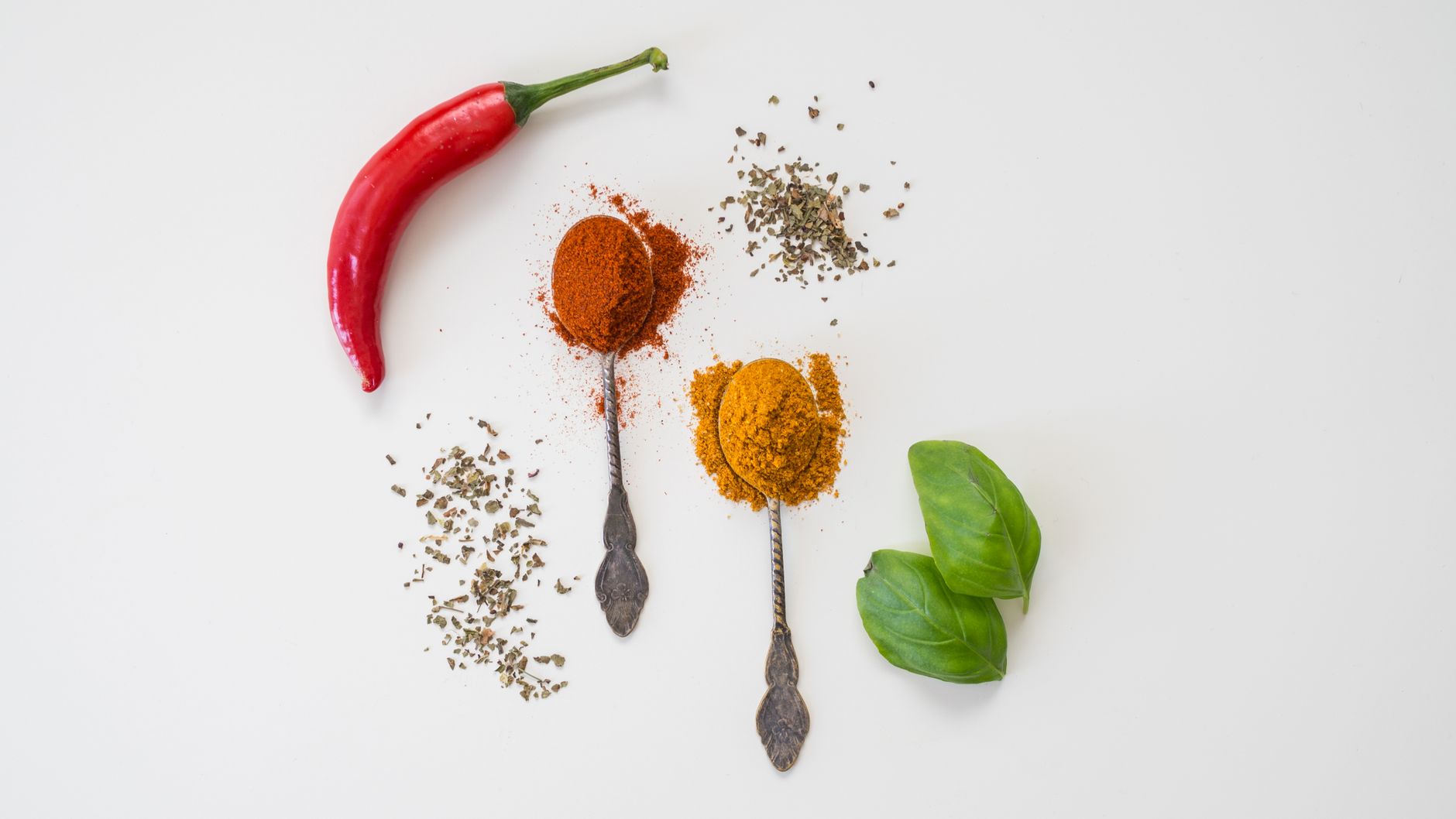
Paprika and chili powder are two common spices found in many kitchens, often used to add depth, flavor, and a bit of heat to a variety of dishes. Though they may appear similar and are sometimes used interchangeably in recipes, they are distinct spices with unique flavor profiles, origins, and culinary uses. Understanding these differences can help elevate your cooking and ensure that you select the right spice for your dish.
This article will delve into the key differences between paprika and chili powder, including their ingredients, flavor profiles, culinary uses, and how to substitute one for the other when necessary. By the end, you will feel more confident in your spice choices and ready to experiment in the kitchen.
Is Paprika the Same as Chili Powder?
No, paprika is not the same as chili powder. While both spices are made from dried peppers, they differ in terms of flavor, ingredients, and culinary uses. Paprika is made primarily from sweet bell peppers, while chili powder is a blend of various dried chili peppers and often includes additional spices and herbs. Understanding these distinctions can help in selecting the right spice for your cooking needs.
What is Paprika?
Paprika is a spice made from ground peppers, primarily of the Capsicum annuum variety. This spice is known for its vibrant red color, which can range from bright red to deep crimson. The flavor of paprika varies depending on the type of peppers used and how they are processed.
Types of Paprika
There are several types of paprika, each with its nuances:
- Sweet Paprika: This is the most common variety, made from sweet red peppers. It has a mild, sweet flavor and is often used in dishes like goulash.
- Smoked Paprika: Also known as pimentón, this type is made from peppers that have been smoked before drying. It adds a distinct smoky flavor to dishes, making it popular in Spanish cuisine.
- Hot Paprika: This variety is made from spicier chili peppers, offering a heat level that can enhance recipes that call for a bit of a kick.
- English Paprika: This variety is often referred to as “ordinary” paprika and usually falls under the sweet category, but it can vary in flavor intensity.
Culinary Uses of Paprika
Paprika is versatile and can be used in various culinary applications. Here are some popular uses:
- As a seasoning for meats, such as chicken, beef, and pork.
- In soups and stews, especially in dishes like goulash.
- To garnish dishes, providing an aesthetically pleasing touch and a hint of flavor.
- In sauces, including barbecue sauce and aioli.
- In dips and spreads, such as hummus or deviled eggs.
What is Chili Powder?
Chili powder, on the other hand, is a spice blend that varies by region and brand. Traditionally, it consists of ground dried chili peppers mixed with other spices, such as cumin, garlic powder, oregano, and salt. This blend gives chili powder a complex flavor profile, often featuring both heat and depth. It is commonly used in Tex-Mex and Indian cuisines.
Ingredients of Chili Powder
The ingredients in chili powder can differ significantly, often depending on the desired flavor and heat level. Common components may include:
- Dried Chile Peppers: Varieties such as ancho, cayenne, or jalapeño are often used, contributing to the overall spiciness.
- Cumin: Adds a warm, earthy flavor that complements the heat of the chili peppers.
- Garlic Powder: Introduces a savory note to the blend.
- Oregano: Provides a hint of herbaceous flavor that balances the blend.
- Salt: Enhances the overall flavor and serves as a preservative.
Culinary Uses of Chili Powder
Chili powder is widely used in a variety of dishes, particularly in cuisines that appreciate bold flavors. Here are some common applications:
- In chili con carne, adding heat and depth to the dish.
- As a seasoning for tacos, burritos, and enchiladas.
- In marinades and rubs for grilled meats.
- To spice up soups and stews.
- In sauces, including enchilada sauce and barbecue sauce.
Flavor Profiles: Paprika vs. Chili Powder
Understanding the distinct flavor profiles of paprika and chili powder is crucial for effective cooking. While both spices come from dried peppers, their flavor nuances set them apart.
Paprika’s Flavor Profile
Sweet paprika offers a mild, sweet flavor that doesn’t bring much heat. Smoked paprika adds a rich, smoky taste, which can enhance dishes profoundly. Hot paprika delivers spiciness without overpowering the dish, making it versatile in various cuisines.
Chili Powder’s Flavor Profile
Chili powder is characterized by its complex blend of flavors. Depending on the ingredients, it can range from mild to very spicy, featuring earthy and savory notes. The combination of spices typically results in a more robust flavor compared to paprika.
Substituting Paprika and Chili Powder
While paprika and chili powder can be used interchangeably in some recipes, caution is advisable due to the distinct flavor profiles. Substituting one for the other can significantly affect the dish’s outcome. Here’s a breakdown of when you might substitute and how to do it properly.
When to Substitute Paprika for Chili Powder
If you need a substitute for chili powder, consider using paprika when:
- The dish does not require significant heat, as paprika is much milder.
- You’re aiming for a sweeter flavor profile.
Keep in mind that substituting paprika for chili powder may result in a less spicy dish. Use a one-to-one ratio, adjusting to taste.
When to Substitute Chili Powder for Paprika
You can substitute chili powder for paprika in the following scenarios:
- When you want to add heat and complexity to your dish.
- If the additional spices in chili powder complement your recipe.
Use chili powder sparingly, starting with half the amount of paprika called for and adjusting based on your heat tolerance and flavor preference.
Common Mistakes and Considerations
When using paprika and chili powder, certain common mistakes can affect the outcome of your dish. Here are some pitfalls to watch for:
Choosing the Wrong Type
Not all paprika and chili powders are created equal. Be sure to check labels for the type of paprika or chili powder you are using. Relying on generic labeling may lead to confusion about flavor intensity.
Ignoring Flavor Profiles
Using the wrong spice can lead to an imbalance in flavors. Always consider whether the dish requires sweetness or heat when choosing between paprika and chili powder.
Overusing Spices
Because both spices have unique flavor profiles, overusing them can overpower your dish. Start with small amounts and adjust to taste.
Storing Paprika and Chili Powder
Proper storage of your spices is essential for maintaining their flavor and potency. Here are some tips for keeping both paprika and chili powder fresh:
Storage Conditions
- Keep spices in a cool, dark place away from sunlight and heat sources.
- Use airtight containers to preserve freshness and prevent moisture absorption.
Shelf Life
While paprika and chili powder do not spoil in the traditional sense, their flavors can diminish over time. Generally, they can last about 2 to 3 years when stored properly. However, for the best flavor, replace your spices every year.
Summary
Paprika and chili powder are distinct spices with different flavor profiles, uses, and compositions. While they can be used interchangeably in certain instances, understanding their unique characteristics is key to enhancing your culinary creations. When selecting spices, consider the flavor, intended dish, and heat level to make the right choice.
As you explore the world of spices, consider experimenting with various types of paprika and chili powder to discover new flavor dimensions in your cooking. Armed with this knowledge, you can elevate your culinary skills and impress your guests with well-seasoned dishes that draw from the rich traditions of flavoring with spices.
If you would like to explore more about seasoning options or discover a new twist on traditional recipes, feel free to check out our chili seasoning recipe or learn about substitutes for coriander.