
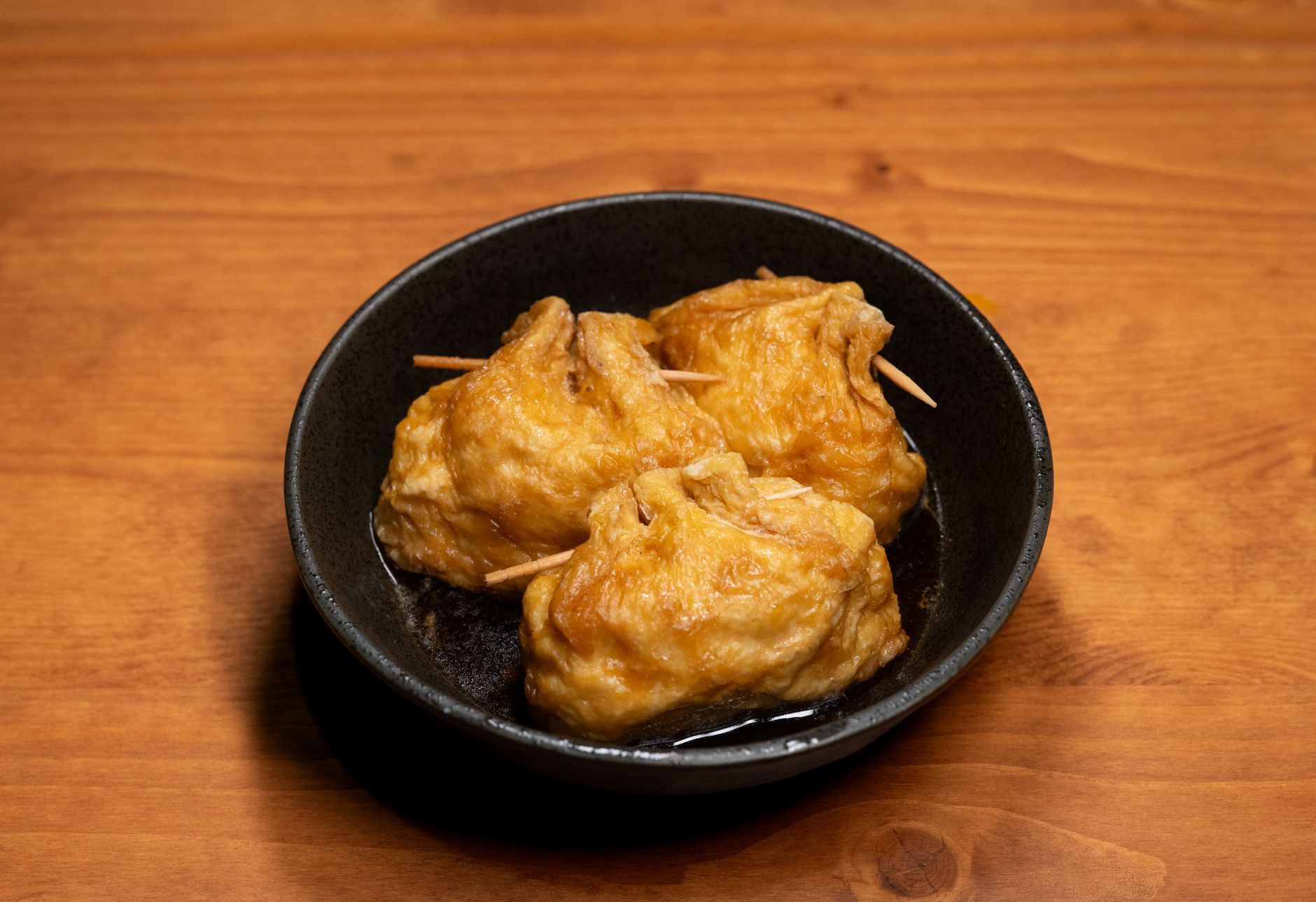
Inari, a popular ingredient in Japanese cuisine, offers a unique blend of textures and flavors that enhance a variety of dishes. Typically found in sushi and onigiri, inari features a sweet and savory marinated tofu pocket often filled with sushi rice. This article explores what inari is made of, its ingredients, flavor profile, kitchen uses, and much more.
Understanding inari’s composition can elevate your cooking by allowing you to incorporate it creatively into your meals. From its traditional uses to modern adaptations, let’s delve into the ingredients that make inari a favored element in both home and restaurant kitchens.
What Is Inari Made Of?
Inari is primarily made of deep-fried tofu pockets, known as aburaage, which are seasoned and marinated. The marinade usually includes soy sauce, sugar, mirin, and sake, giving the tofu a slightly sweet and umami-rich flavor. These pockets are typically filled with vinegared rice, turning inari into a delightful sushi variant. This combination provides a balance of textures, with the soft, chewy tofu contrasting against the chewy rice.
The Ingredients of Inari
The foundation of inari consists of four main components: aburaage, rice, marinade, and optional fillings. Let’s examine each ingredient in detail.
1. Aburaage (Tofu Pockets)
Aburaage are thin slices of tofu that have been deep-fried until golden brown. This frying process creates a slightly crispy exterior while retaining a soft interior. The tofu is made from soybeans, water, and a coagulant such as magnesium chloride or calcium sulfate, which helps to form the curds.
2. Sushi Rice
The rice used in inari is specially seasoned sushi rice, which differs from regular rice in both preparation and flavor. Sushi rice is short-grained and sticky, allowing it to hold together well when formed into sushi. The seasoning typically includes:
- Rice vinegar
- Sugar
- Salt
3. Marinade
The aburaage is traditionally marinated to enhance its flavor. Common ingredients in the marinade include:
- Soy sauce: Adds depth and umami.
- Sugar: Contributes sweetness.
- Mirin: A sweet rice wine that adds flavor complexity.
- Sake: Another rice wine that lends depth and aroma.
While these ingredients are typical, some variations may incorporate additional seasonings to elevate the flavor profile further.
4. Optional Fillings
While inari is commonly filled with seasoned sushi rice, you can also add various ingredients to create different flavor combinations. Some popular filling options include:
- Vegetables (e.g., cucumber, avocado, or shredded carrots)
- Protein (e.g., crab meat, shrimp, or tofu)
- Herbs (e.g., sesame seeds or green onions for extra flavor)
Flavor Profile of Inari
The flavor of inari can be described as a delightful blend of sweetness, umami, and nuttiness. The combination of the sweet marinade with the savory soy sauce creates a balanced taste, while the chewy texture of the tofu complements the sticky rice. The additional fillings provide opportunities to personalize your inari and experiment with various flavor profiles.
Kitchen Uses for Inari
Inari is incredibly versatile and can be used in multiple ways in cooking. Here are some common uses for inari:
1. Sushi
Inari sushi is perhaps the most recognized form of inari. The seasoned rice is simply filled into the marinated tofu pockets and can be served as a snack, appetizer, or part of a sushi platter.
2. Onigiri
Inari can also be incorporated into onigiri, a type of rice ball traditionally shaped into triangles or cylinders. Stuffing inari into onigiri adds a unique twist while keeping the moisture in the rice.
3. Salad Toppings
Crumbling or slicing leftover inari can make a delightful topping for salads. The sweet and savory flavors will blend beautifully with ingredients like mixed greens, sesame dressing, or other toppings.
4. Side Dish
Inari can serve as an elegant side dish to accompany various Asian entrees. Its unique flavors can balance spicy components, rich dishes, and stews.
Practical Steps for Making Inari
If you’re interested in making your own inari at home, the process involves several steps, including preparing the aburaage, marinating it, cooking sushi rice, and filling the tofu pockets. Here’s how to do it:
Essential Equipment
- Frying pan or deep fryer
- Medium saucepan
- Rice cooker (optional)
- Mixing bowl
- Spatula
- Knife
Ingredients
- 1 package of aburaage (fried tofu pockets)
- 2 cups sushi rice
- 1/4 cup rice vinegar
- 2 tablespoons sugar
- 1 teaspoon salt
- 1/4 cup soy sauce
- 1/4 cup mirin
- 1/4 cup sake
- Optional fillings (e.g., vegetables, protein, herbs)
Step-by-Step Method
- Prepare the sushi rice: Rinse the rice under cold water until the water runs clear. Drain and cook the rice according to the package instructions, ideally using a rice cooker.
- Make the sushi seasoning: In a saucepan, mix rice vinegar, sugar, and salt over low heat until the sugar dissolves. Do not let it boil.
- Season the cooked rice: Once the rice is cooked, transfer it to a mixing bowl. Gently fold in the sushi seasoning using a spatula. Allow the rice to cool to room temperature.
- Prepare the aburaage: Cut each tofu pocket from the package and drain the excess oil. Place them in a frying pan over medium heat, lightly browning both sides.
- Make the marinade: In a bowl, combine soy sauce, mirin, and sake. Place the browned aburaage into the marinade and let them soak for 10-15 minutes, flipping midway for even flavor absorption.
- Fill the aburaage: Once marinated, carefully open the tofu pockets. Fill each pocket with a generous scoop of the seasoned sushi rice. If using optional fillings, add them alongside the rice.
- Serve and enjoy: Your inari sushi is ready to serve. They can be enjoyed fresh or refrigerated for later use.
Common Mistakes and Troubleshooting
Though inari is straightforward to prepare, it’s easy to run into a few common pitfalls. Here are some tips to help you avoid them:
1. Overcooking the Rice
Overcooked sushi rice can become mushy and lose its desired texture. Follow the cooking instructions closely, and avoid lifting the lid during cooking to retain steam.
2. Underseasoning the Rice
If the rice lacks flavor, it can lead to bland inari. Make sure to evenly mix the seasoning into the rice and taste it before filling the tofu pockets.
3. Dry Aburaage
If the aburaage does not absorb enough marinade, it may taste dry. Be sure to soak them thoroughly in the marinade for balanced flavor.
Making Inari Ahead of Time
Inari can be made ahead of time, making it a great option for meal prep. Here’s how to store it:
- Prepare the aburaage and sushi rice separately, then store them in airtight containers in the refrigerator.
- When ready to serve, fill the aburaage with sushi rice just before enjoyment to maintain freshness.
- Inari is best consumed within 2-3 days for the optimal texture and flavor.
Storage and Reheating Guidance
If you have leftovers, store inari in an airtight container in the refrigerator. While inari is best enjoyed fresh, you can reinvigorate it by:
- Warming the filled tofu pockets in a microwave for 15-30 seconds, ensuring they do not become too hot.
- Avoid reheating multiple times, as this can lead to a loss of texture and flavor.
Inari is a delightful addition to any meal, offering versatility and flavor that appeals to many. Its unique sweetness combined with umami makes it a beloved item in Japanese culinary tradition. With a few simple ingredients and techniques, you can enjoy the flavors of inari in your kitchen.
Explore related recipes, cooking tips, or food guides to expand your culinary repertoire. Discover what molasses is made from at this link or learn about the art of sourdough at this link.