
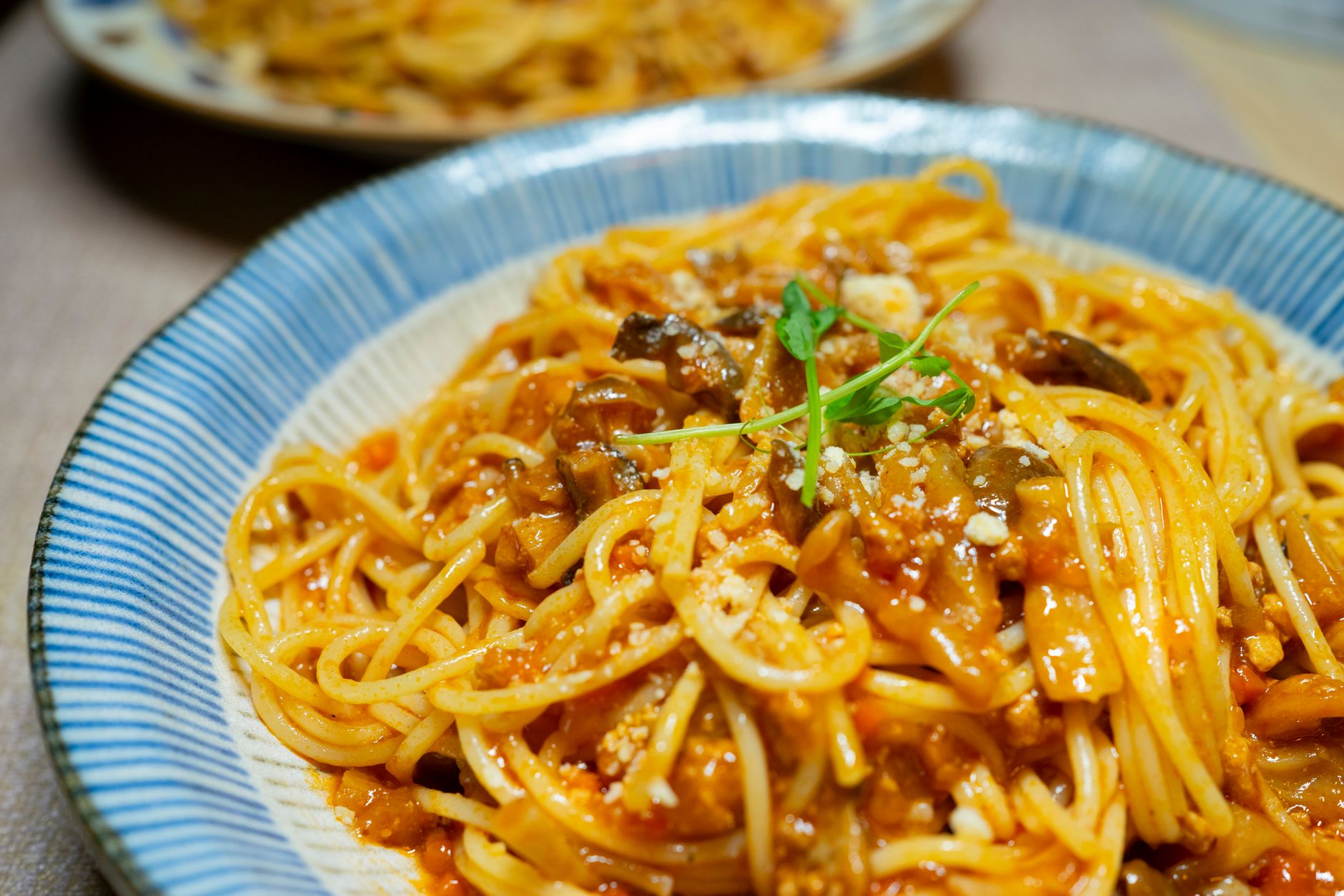
Peato is an innovative and exciting ingredient that has recently gained attention in culinary circles. It combines the textures of pasta with the rich flavors of puree, making it a versatile option for various dishes, from savory mains to unique desserts. Understanding peato can elevate your cooking and offer new flavor profiles that surprise and delight.
This article will explore what peato is, its ingredients, flavor characteristics, ways to serve it, and practical tips for using it in your kitchen. By the end, you’ll know how to incorporate this ingredient into your meals effectively!
What Is Peato?
Peato is a blend of pasta and a puree, typically made from vegetables or legumes. This fusion creates a unique base that can absorb flavors and provide an interesting texture. Peato is especially popular in creative culinary applications where chefs want to elevate traditional pasta dishes.
This ingredient can be made from various components, including alternative flours and different types of purees, providing flexibility based on dietary preferences and availability.
Ingredients of Peato
The ingredients of peato vary, but the primary components include:
- Pasta: Traditional pasta, often made from wheat flour, is the base of peato. However, alternatives like chickpea, lentil, or whole grain can be used for different flavors and nutritional profiles.
- Puree: The key to peato is the puree, typically made from cooked vegetables such as carrots, spinach, or butternut squash. Legumes such as chickpeas and lentils are also popular for a nutritious boost.
- Seasonings: Herbs, spices, and salt can be added to the puree before mixing to enhance the overall flavor of the peato.
Common Ingredients
- Wheat or alternative pasta
- Vegetable puree (carrots, spinach, peas)
- Legume puree (chickpeas, lentils)
- Olive oil or butter for richness
- Garlic, onion, and herbs for flavor
Flavor Profile of Peato
The flavor of peato largely depends on the type of puree you choose. Vegetable purees provide sweetness and depth, while legume purees offer a nutty, hearty flavor. This versatility makes peato an excellent canvas for a range of toppings and sauces.
Here are some flavor considerations based on the ingredients:
- Vegetable Purees: Provide sweetness, earthiness, and a touch of acidity, depending on the vegetable used.
- Legume Purees: Add a rich nuttiness, creaminess, and protein, often enhancing heartiness and satisfaction.
- Herbs and Spices: Fresh herbs, garlic, and spices elevate the peato with additional layers of flavor, making it more appealing.
How to Serve Peato
Peato can be served in various ways, making it suitable for different meals throughout the day. Here are several serving suggestions:
Main Course Dishes
- Peato and Marinara: Serve peato with a classic marinara sauce topped with fresh basil and grated cheese for a comforting pasta dish.
- Peato Stir-Fry: Stir-fry peato with seasonal vegetables, soy sauce, and sesame oil for a quick, nutritious meal.
- Creamy Peato Alfredo: Combine peato with a creamy Alfredo sauce and sautéed mushrooms for a rich and savory dish.
Side Dishes
Peato can also work well as a side dish:
- Garlic Herb Peato: Toss peato with sautéed garlic, olive oil, and herb-infused butter for a simple side.
- Vegetable Medley: Serve peato alongside roasted vegetables drizzled with balsamic reduction for a beautiful contrast.
Unique Dessert Ideas
Interestingly, peato can be adapted into dessert recipes:
- Peato with Fruit Purée: Blend cooked fruits like apples or pears with a little cinnamon for a sweet topping over peato.
- Chocolate Peato: Incorporate cocoa powder into a chocolate-infused peato, topped with whipped cream for a unique dessert.
Practical Tips for Cooking with Peato
When incorporating peato into your cooking, here are some practical tips to consider:
Selecting and Preparing Your Ingredients
- Choose Quality Pasta: Select high-quality pasta made from whole grains or legumes to enhance the nutritional profile.
- Fresh Purees: Whenever possible, use freshly cooked purees for the best flavor and texture.
- Season Well: Don’t shy away from seasoning your purees with herbs and spices to bring out their natural flavors.
Cooking Techniques
Proper cooking techniques are essential for achieving the best results with peato. Here are the steps involved:
- Cook your pasta according to package directions until al dente, then drain and set aside.
- Prepare your vegetable or legume puree by cooking the ingredients (steaming or boiling) until tender, then blending until smooth.
- Combine the pasta with the puree, adding seasonings as desired.
Common Mistakes and Troubleshooting
When working with peato, you may encounter some challenges:
- Overcooking Pasta: Ensure the pasta is cooked to al dente to avoid a mushy texture when mixed with the puree.
- Pasta and Puree Ratio: Balance the quantity of pasta and puree; too much or too little of either can affect the dish’s overall texture and flavor.
Storage and Reheating
Storing peato properly is essential for maintaining its quality:
- Refrigeration: Store cooked peato in an airtight container in the refrigerator for up to three days.
- Freezing: For longer preservation, freeze peato by spreading it on a baking sheet to avoid clumping, then transfer to a freezer-safe container.
To reheat, gently warm in a pan over low heat, adding a splash of water or sauce to prevent drying out.
Substitutions for Peato Ingredients
Understanding substitutions can help you adjust the recipe according to your dietary needs and preferences:
- Pasta: Substitute traditional wheat pasta with gluten-free options like rice or lentil pasta.
- Puree: Replace vegetable puree with equally flavored purees, such as pumpkin or sweet potato, to change taste and texture.
Variations of Peato
Experiment with different types of peato by varying its base ingredients:
- Legume-Based Peato: Use lentils or chickpeas as the base for a protein-rich variation.
- Whole Grain Peato: Incorporate whole grain flours like spelt or quinoa for added fiber and nutrients.
The beauty of peato lies in its adaptability. It can be transformed easily while maintaining the core concept of combining pasta with purees.
Why Incorporate Peato into Your Meals?
Adding peato to your culinary repertoire can enhance your meals in several ways:
- Diversify Textures and Flavors: Peato creates an interesting mouthfeel and offers a new flavor perspective.
- Boost Nutrition: Incorporating vegetable or legume purees increases the nutritional value of your meal without compromising flavor.
- Creative Cooking: Peato allows you to experiment in the kitchen, pushing culinary boundaries in exciting ways.
Conclusion
Peato is an innovative ingredient that can transform your meals, offering unique flavors, textures, and nutritional benefits. Its versatility allows you to explore different culinary applications, making it suitable for a wide range of dishes, including mains, sides, and desserts.
To get started with peato, consider incorporating it into your next meal and experiment with various purees and sauces. This exploration will not only add depth to your dishes but also keep your cooking exciting. If you’re looking for more ways to broaden your culinary horizons, check out what is chihuahua cheese or discover the intricacies of fish cake.