
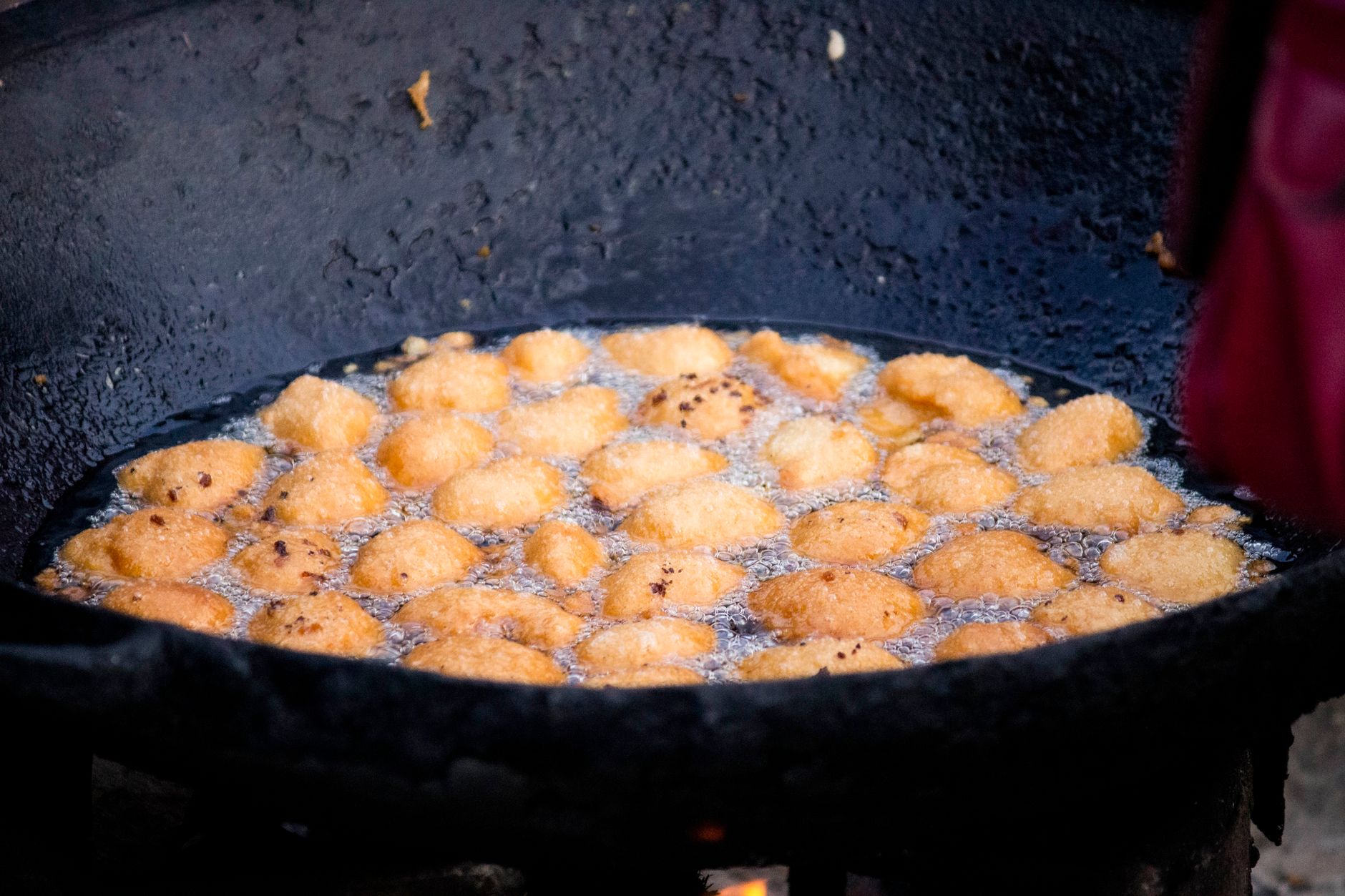
Foaming in cooking oil is a common occurrence that can confuse and even discourage home cooks. Understanding the causes of this phenomenon is essential for achieving optimal cooking results. In this article, we will explore why your cooking oil may be foaming, what it means, and how to address it.
From temperature changes to the type of oil used, various factors contribute to oil foaming. This guide provides practical insights into prep, timing, and serving tips to help you manage and prevent foaming effectively.
Why Is My Cooking Oil Foaming?
Cooking oil can foam due to several reasons, including the presence of moisture, the type of oil, and the cooking temperature. It’s essential to recognize these signs as they can impact your cooking process.
Understanding Cooking Oils and Foaming
Cooking oils are essential ingredients that add flavor and assist in cooking. However, foaming can indicate issues like impurities or improper heating. Knowing how different oils react under various conditions helps you choose the right one for your dishes.
- Vegetable Oil: Common and versatile, vegetable oil has a higher smoke point, making it less prone to foaming due to high temperature.
- Olive Oil: This oil can foam if overheated, particularly in lower-quality options with impurities.
- Canola Oil: Similar to vegetable oil, canola has a stable profile but may foam in reactions with water.
- Coconut Oil: This oil can produce foam when melted from solid to liquid as it contains a higher amount of saturated fats.
Causes of Foaming in Cooking Oil
1. Presence of Moisture
Moisture is one of the primary causes of foaming in cooking oil. When water comes in contact with hot oil, it creates steam that produces bubbles, leading to foaming. Ensuring that your pans and any food you add to the oil are dry can help mitigate this problem.
2. Temperature Fluctuation
The temperature at which you heat your oil can lead to foaming. Heating oil too quickly or exceeding its smoke point can cause it to bubble and foam excessively. Using a thermometer to monitor the temperature can be beneficial. Generally, heating oil should be done gradually for better results.
3. Type of Oil Used
The type of oil is crucial. Oils with lower smoke points are more susceptible to foaming when heated. Always choose the right oil based on your cooking technique—high smoke point oils for frying and oils like olive oil for lower-temperature cooking.
4. Impurities in the Oil
Foaming can also indicate that there are impurities in the oil. Refined oils are typically more stable than unrefined oils. Consider the processing level of your oil; unrefined or cold-pressed oils often contain natural particles that can contribute to foaming.
5. Additives and Flavorings
When you introduce flavorings or spices in hot oil, they can sometimes cause foaming. Spices, herbs, and other ingredients can react with the hot oil and create bubbles. It’s important to add such ingredients cautiously and potentially at lower temperatures.
Preventing Foaming in Cooking Oil
To avoid the nuisance of foaming while cooking, consider the following tips:
1. Dry Your Ingredients
Always ensure the ingredients you’re cooking with are free from moisture. Pat dry vegetables, meats, or any components before adding them to hot oil.
2. Monitor Oil Temperature
Use a thermometer to check your oil’s temperature accurately. For frying, a temperature between 350°F to 375°F (175°C to 190°C) is generally optimal. Going beyond these ranges can lead to undesirable foaming.
3. Choose the Right Oil
Select high-quality oils with appropriate smoke points for your intended cooking method. For example, when frying, opt for oils like peanut or safflower oil.
4. Use a Filtered Oil
Always use properly filtered or refined oil that reduces the chances of impurities causing foaming. Store oils in a cool, dark place to maintain their integrity.
5. Add Ingredients Gradually
Add ingredients to the oil slowly, especially if introducing solid items. This method helps manage how quickly the temperature changes, reducing foam production.
When Is Foaming Normal?
Sometimes, foaming can be considered normal and even beneficial in cooking. Recognizing these situations allows you to use the foaming characteristics to your advantage.
1. Frying Techniques
When frying, some oils, especially those with a higher water content, may froth initially. Understanding this can help you distinguish between normal activity and potential issues.
2. Incorporating Aromatics
Adding fresh spices or aromatics, like garlic or ginger, can create a delightful foam that enhances flavor, but be cautious about temperature.
3. Tempura and Battered Foods
When frying foods with a batter, some bubbling is natural. The batter creates steam as moisture escapes. Recognizing the difference between healthy steam and a problematic foam is critical.
Troubleshooting Foaming Issues
If you encounter excessive foaming in your oil, take note of the following troubleshooting methods:
1. Adjust Heat Levels
If the oil begins to foam excessively, reduce the heat immediately. This action can help moderate the temperature and minimize foaming.
2. Remove Ingredients
If you notice foaming after adding food or spices, consider removing them and allowing the oil to cool before retrying. This pausing can prevent further issues.
3. Strain the Oil
If you suspect impurities in your oil, try straining it through a fine mesh strainer or cheesecloth to remove any residual particles that might be causing foaming.
Serving Tips for Oil-Based Dishes
1. Garnish with Fresh Herbs
Top fried dishes with fresh herbs to elevate both flavors and aesthetics. The contrast of color adds visual appeal while enhancing the dish’s aroma.
2. Drizzle with Acidity
A light drizzle of acid, such as lemon juice or vinegar, over fried items can balance flavors and cut through oiliness, enhancing the overall taste profile.
3. Serve Immediately
Hot oil-based dishes are best enjoyed fresh. Serving immediately maintains the crispy texture and ensures the best flavor.
Making the Most of Cooking Oils
Cooking oil, when used skillfully, enhances the flavors and textures of dishes. Here are ways to appreciate oil beyond frying:
1. Salad Dressings
Use high-quality oils for dressings to enhance flavor. Olive oil, for instance, can bring depth to vinaigrettes. Combine it with vinegar, lemon juice, or mustard for a vibrant dressing.
2. Infused Oils
Creating infused oils adds variety to your cooking. Infuse oils with herbs, garlic, or dry spices, and use them to enhance dishes or as a dip.
3. Baking
Utilize oils in baking to create moist textures. Oils can replace butter in certain recipes, offering a unique taste while maintaining a softer crumb.
Conclusion
Understanding why cooking oil foams can help you improve your cooking techniques and manage various oil types effectively. By considering moisture levels, using suitable oils, and monitoring temperature, you can minimize foaming and enjoy better cooking results.
If you want to learn more about ingredient substitutions or explore diverse recipes, check out how to substitute avocado oil for olive oil or try making your own chili oil recipe. These resources will enhance your culinary journey further.