
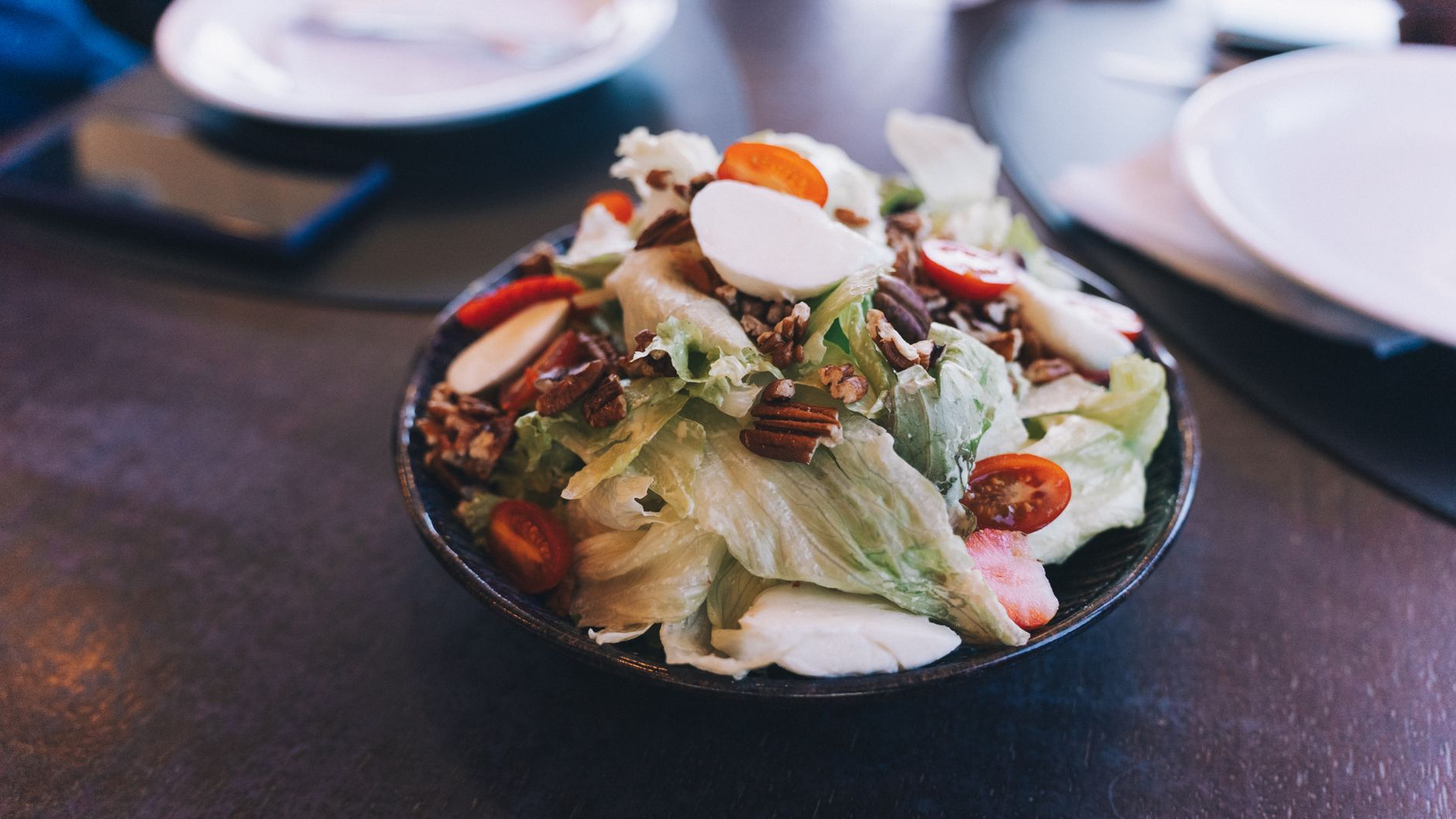
Light food typically refers to meals that are lower in calories and fat while still being nutritious and satisfying. These meals often consist of fresh vegetables, fruits, lean proteins, and whole grains, which provide essential nutrients without heavy or greasy elements. Understanding what constitutes light food can help you make healthier dining choices and feel well without weighing you down.
In this article, we will explore the various ingredients that make up light food, how to incorporate them into your meals, and some practical tips for preparation and cooking techniques that will help you embrace a lighter culinary lifestyle.
What Is Considered Light Food?
Light food encompasses dishes that are not only low in calories but also promote a sense of well-being. These foods are usually characterized by their emphasis on fresh, wholesome ingredients. Common examples of light foods include salads, grilled proteins, and steamed vegetables. The goal is to create meals that are satisfying without being heavy or overly filling.
Ingredients Commonly Found in Light Food
When preparing light meals, the right selection of ingredients is crucial. Here are some categories of ingredients to consider:
Fruits and Vegetables
- Leafy Greens: Spinach, kale, arugula, and romaine are low in calories and high in fibers, making them ideal for salads and wraps.
- Cucumbers: These are hydrating and crisp, perfect for salads or as a light snack.
- Tomatoes: Packed with flavor and nutrition, tomatoes add depth to any dish without significantly increasing calorie count.
- Bell Peppers: Sweet and crunchy, these add color and flavor to salads and stir-fries.
- Citrus Fruits: Oranges, lemons, and grapefruits offer fresh flavors while being low in calories.
Whole Grains
- Quinoa: A high-protein grain that is gluten-free and versatile for salads and bowls.
- Brown Rice: A whole grain that provides more nutrients and fiber than white rice, making it a wholesome side.
- Whole Wheat Pasta: While it is still pasta, whole wheat offers additional fiber and nutrients.
Lean Proteins
- Chicken Breast: Skinless chicken breast is low in fat and high in protein, perfect for grilling or baking.
- Fish: Options like salmon, trout, and tilapia are not only light but also packed with omega-3 fatty acids.
- Legumes: Beans and lentils are excellent protein sources and add substance to salads and stews.
- Tofu: A great plant-based protein choice that can be marinated and grilled for a light dish.
Healthy Fats
- Avocado: Provides creaminess and healthy fats without a lot of calories.
- Nuts and Seeds: Almonds, walnuts, chia seeds, and flaxseeds add texture and essential fats.
- Olive Oil: A healthy fat source perfect for salad dressings or light cooking.
Spices and Herbs
- Fresh Herbs: Basil, cilantro, and dill can elevate flavors without extra calories.
- Spices: Paprika, cumin, and black pepper provide zest and depth without fat.
How to Cook with Light Ingredients
Cooking light does not mean sacrificing flavor. Here are methods to enhance your light food preparation:
Grilling
Grilling is an excellent way to achieve flavor while using minimal oil. It allows natural flavors to shine, especially with seasonal vegetables and lean proteins. Marinating ingredients before grilling can add additional depth without heaviness.
Steaming
Steaming preserves nutrients and keeps vegetables crisp. It’s a simple method that requires no added fats and works well for broccoli, carrots, and fish. Consider seasoning steamed foods with fresh herbs or citrus for heightened flavor.
Stir-Frying
This technique involves quick cooking at high heat. Use a little oil (like olive or sesame) and a variety of vegetables along with your protein choice to create delicious, light dishes. The quick cooking time ensures foods don’t become soggy and retain their crunch.
Baking
Baking is a lighter alternative to frying. For example, chicken breasts can be seasoned and baked to juicy perfection without added fats. Baked goods, like vegetables or fish, absorb flavors well from herbs and spices.
Light Meal Ideas for Breakfast, Lunch, and Dinner
Here are some practical, light meal ideas that are satisfying yet low in calories:
Breakfast
- Overnight Oats: Combine rolled oats with yogurt, chia seeds, and your choice of fruits. This easy breakfast is filling and nutritious.
- Green Smoothie: Blend spinach, banana, almond milk, and a scoop of protein powder for a refreshing start to your day.
- Energizing Avocado Toast: Spread smashed avocado on whole-grain toast, then top with a poached egg and fresh herbs.
Lunch
- Quinoa Salad: Mix cooked quinoa with diced cucumbers, tomatoes, parsley, and a lemon-olive oil vinaigrette.
- Thai Cucumber Salad: Refreshing and crunchy, it combines cucumbers, carrots, mint, and a spicy-sour dressing.
- Lentil Soup: A hearty soup made with lentils, carrots, onions, and spices, excellent for a light yet filling lunch.
Dinner
- Grilled Salmon: Season salmon with herbs and grill alongside asparagus or zucchini.
- Chicken Paillard: This dish features thinly pounded chicken that is grilled and served with a side of arugula and cherry tomatoes.
- Vegetable Stir-Fry: Use a mix of your favorite vegetables with lean protein, light sauce, and serve over brown rice.
Meal Planning with Light Foods
When planning meals with light foods, consider the following tips to ensure you have balanced and satisfying options:
Batch Cooking
Batch cooking allows you to prepare components that can be mixed and matched throughout the week. Cook a large portion of quinoa, roast a variety of vegetables, and prepare grilled chicken or baked fish. Combine these in different ways for diverse meals.
Ingredient Overlap
Design your meals around a few core ingredients. For example, using spinach in a breakfast smoothie can carry over into a lunchtime salad and a dinner stir-fry. This not only saves time but also minimizes waste.
Light Snacks
Include light snacks throughout the day to maintain energy levels. Consider options like carrot sticks with hummus, a handful of nuts, or fresh fruit. These will complement your meals without leading to overeating.
Common Mistakes with Light Food
Embracing light foods can lead to healthy eating habits, but there are common pitfalls to avoid:
- Oversized Portions: Just because a food is light doesn’t mean portion sizes can be ignored. Pay attention to how much you consume.
- Neglecting Protein: Protein is vital in feeling full. Balance your meals with adequate protein sources for satiety.
- Ignoring Flavor: Skipping seasonings can lead to bland meals. Experiment with dressings, marinades, and spices to enhance taste.
Storage and Reheating Tips for Light Foods
Proper storage and reheating can maintain the quality of your light meals:
Storage
- Store lean proteins in airtight containers and consume within a few days for best freshness.
- Vegetables should be kept in the fridge, ideally in moisture-retaining bags or containers to prolong freshness.
- Cooked whole grains like rice or quinoa should be refrigerated within two hours. Use within four to five days.
Reheating
- When reheating proteins and vegetables, do so gently in the oven or microwave to avoid drying them out.
- Add a splash of water or broth when reheating to keep grains moist.
Conclusion
Choosing light food is about creating meals that are both satisfying and healthful. By focusing on fresh ingredients, balanced meals, and reasonable portion sizes, you can enjoy delicious dishes that nourish your body. Experiment with different cooking techniques and incorporate the tips shared in this article to make light food a delightful part of your culinary repertoire.
Explore more delicious meal ideas and cooking tips, like making Chicken Paillard or enjoy a refreshing Thai Cucumber Salad to add variety to your light food journey.