
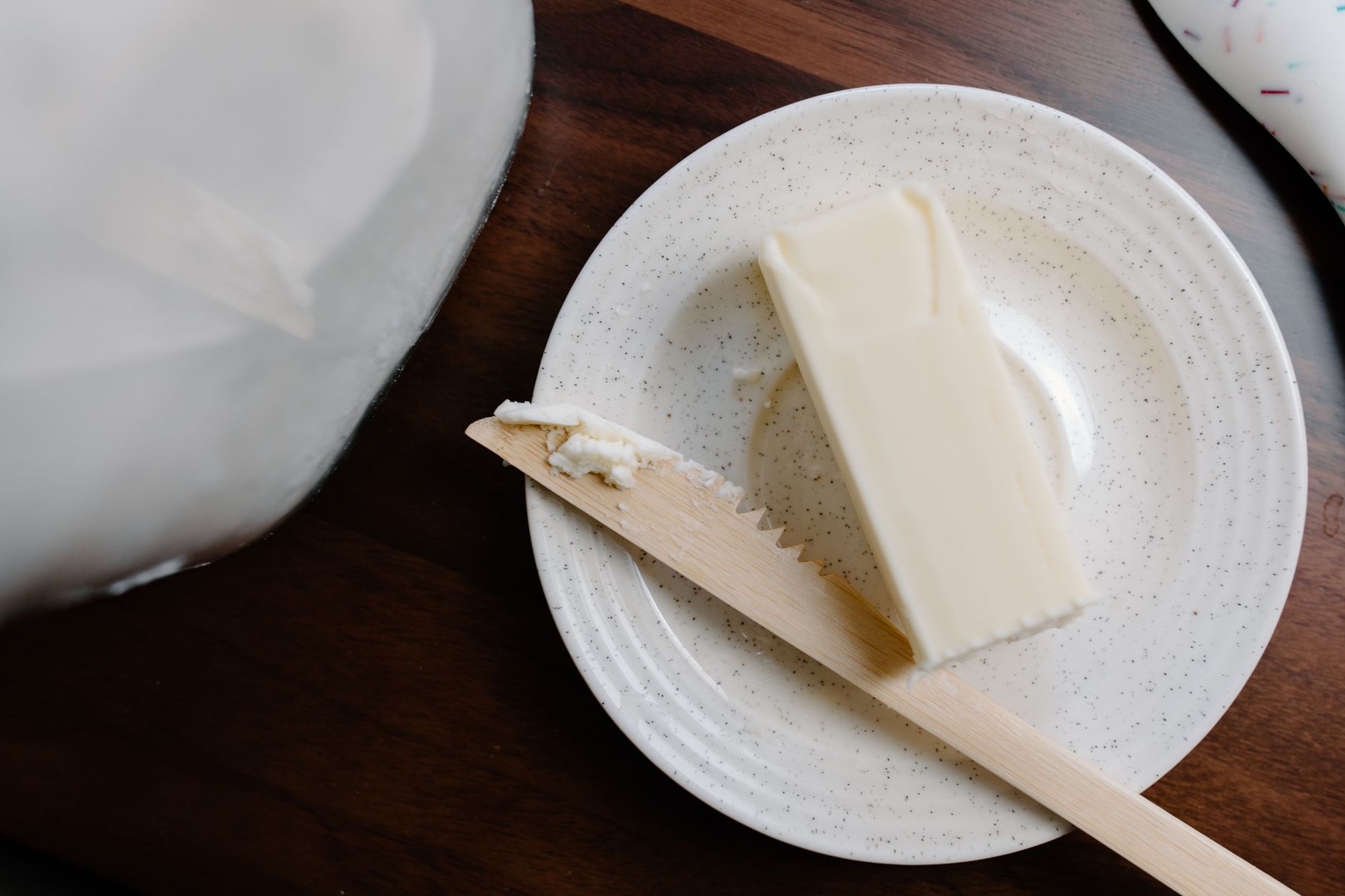
Butter is a staple ingredient in many kitchens around the world, beloved for its rich flavor and versatility. Among the various measurements for butter, a “pat of butter” is a common term that often pops up in recipes, menus, and cooking discussions.
But what exactly is a pat of butter, and how does it differ from other measurements? This guide will explore the taste, texture, and kitchen uses of a pat of butter, along with tips for measurement and practical applications in various culinary contexts.
What Is a Pat of Butter?
A pat of butter typically refers to a small, portioned piece of butter, usually weighing about one tablespoon or 14 grams. It’s commonly used in cooking and baking and can also serve as a simple serving size for spreading on bread or vegetables.
The term “pat” comes from the traditional method of shaping butter into small, flat pieces by patting it with the hands or a utensil. While the size may vary slightly depending on individual practices, it generally maintains this standard measurement across culinary uses.
The Taste and Texture of Butter
Butter is celebrated for its creamy, smooth texture and rich, savory flavor. When used in cooking, it adds a luxurious mouthfeel and can enhance the overall flavor profile of dishes. The taste is rich and slightly nutty, especially in case of browned butter, which results from cooking butter until the milk solids toast slightly.
There are also variations in flavor and texture based on the type of butter, including:
- Salted Butter: Contains added salt, enhancing the overall flavor and providing a slightly briny taste.
- Unsalted Butter: Pure butter with no salt added, allowing for a more delicate or neutral flavor, commonly preferred for baking.
- European Style Butter: Has a higher fat content and is usually richer and creamier than standard American butter.
- Clarified Butter: Butter that has been melted and strained to remove the milk solids and water, resulting in a pure fat perfect for high-heat cooking.
Kitchen Uses of a Pat of Butter
A pat of butter serves various purposes in the kitchen. Here are some popular uses:
Cooking
Butter is a key ingredient in many recipes, such as sautéing vegetables, enhancing sauces, or greasing pans. A pat of butter works well for small batches of cooking where precision is key.
Baking
In baking recipes, the correct amount of butter is essential to attain optimal texture and flavor in baked goods. A pat of butter can help ensure accurate measurements, especially in recipes that require butter to be creamed together with sugar.
Spreading
A pat of butter is often served with bread, muffins, or hot vegetables. It melts beautifully, enhancing flavor and providing moisture. A simple pat on toast can elevate your breakfast with minimal effort.
Finishing Touch
Adding a pat of butter at the end of cooking can enrich sauces and elevate the taste of meats and vegetables. This technique, known as “monter au beurre,” incorporates fat into the dish for extra creaminess and flavor.
How to Measure a Pat of Butter
Measuring a pat of butter can be straightforward, but it helps to know how to do so accurately. Many butter sticks come pre-marked with tablespoons and half-tablespoon measurements, making it easy to cut the desired size.
Here’s a quick guide for measuring a pat of butter:
- Using Sticks: Most butter comes in sticks that are marked in tablespoons. Simply cut a tablespoon for a typical pat.
- Using a Scale: If you have a kitchen scale, weight one pat of butter to find its precise weight if you require 14 grams of butter.
- Recipe Proportions: In recipes, where specific amounts are called for, refer to the recipe for exact measurement conversions.
Common Mistakes When Using and Storing Butter
While using butter may seem simple, there are several common errors to avoid:
- Not Softening Butter: For recipes where butter needs to be creamed, starting with cold butter can lead to uneven mixing. Allow butter to soften at room temperature for about 30 minutes before use.
- Overheating Butter: Cooking with butter at high temperatures can cause it to burn. Lower heat settings are best for sautéing or melting.
- Poor Storage: Butter should be stored properly to prevent it from absorbing odors or flavors from other foods. Keep it in an airtight container in the fridge or wrapped in its original paper.
Butter Substitutions
While butter provides unique flavors and textures, there are alternatives if you find yourself out of it or if dietary preferences dictate a different choice. Here’s a list of common substitutes:
- Margarine: A common plant-based substitute, margarine can often be used in equal amounts to butter, though flavor may differ.
- Olive Oil: Can provide healthy fats and a different flavor; generally use about 3/4 the amount of butter called for to achieve a similar consistency.
- Coconut Oil: Solid at room temperature, coconut oil can substitute in equal amounts but adds a distinct coconut flavor.
- Vegetable Shortening: While it lacks butter’s flavor, it can serve as a non-dairy substitute in baking if you’re looking for a vegan option.
Utilizing Leftover Butter
If you find yourself with leftover pats of butter or a half-used stick, there are numerous ways to use it efficiently:
- Freeze: Butter can be frozen for long-term storage. Wrap it tightly in foil or plastic wrap, or use an airtight container.
- Flavor Build: Use leftover butter in soups or stews to add richness as you cook.
- Compound Butter: Mix softened butter with herbs, spices, or sweeteners to make compound butter, which can be used to enhance meats or served with breads.
Practical Tips for Cooking with Butter
Here are some practical tips to remember when cooking with butter:
- Use Unsalted for Baking: Ensure the most accurate flavor profile by using unsalted butter in baking to control the saltiness.
- Monitor Temperature: If incorporating butter into a dish, make sure the dish isn’t too hot to prevent the butter from separating.
- Experiment with Milkfat: Using buttermilk or heavy cream can complement butter in certain recipes, enhancing overall richness.
Exploring Regional Butter Uses
Butter plays an integral role across various cuisines worldwide. Here are highlights from different regions:
French Cuisine
In French cooking, butter is frequently utilized in sauces and as a finishing touch. Techniques like “monter au beurre” emphasize the importance of butter in elevating dishes.
Italian Cuisine
Italian chefs often use butter in conjunction with olive oil, particularly in northern regions. Dishes may feature butter sauces that beautifully coat pasta and seafood.
Indian Cuisine
In Indian cooking, clarified butter (ghee) is widely used due to its high smoke point and rich flavor, making it ideal for frying and sautéing.
American Cuisine
In American cooking, butter is essential for baking—think cookies, cakes, and pastry dough, where its contribution to flavor and texture is hallmark.
Concluding Thoughts
A pat of butter may seem like a simple measurement, but it embodies a rich history and essential role in culinary arts. Its taste, texture, and versatility elevate countless dishes, making it a beloved ingredient worldwide.
Whether you’re looking to enhance a dish, bake an indulgent dessert, or simply add a flavorful touch to your meals, understanding how to use a pat of butter can inspire creativity in the kitchen.
To explore further, curious cooks can check out guides on clarified butter and try delicious butter swim biscuits recipes, highlighting the importance of butter in various culinary techniques and dishes.