
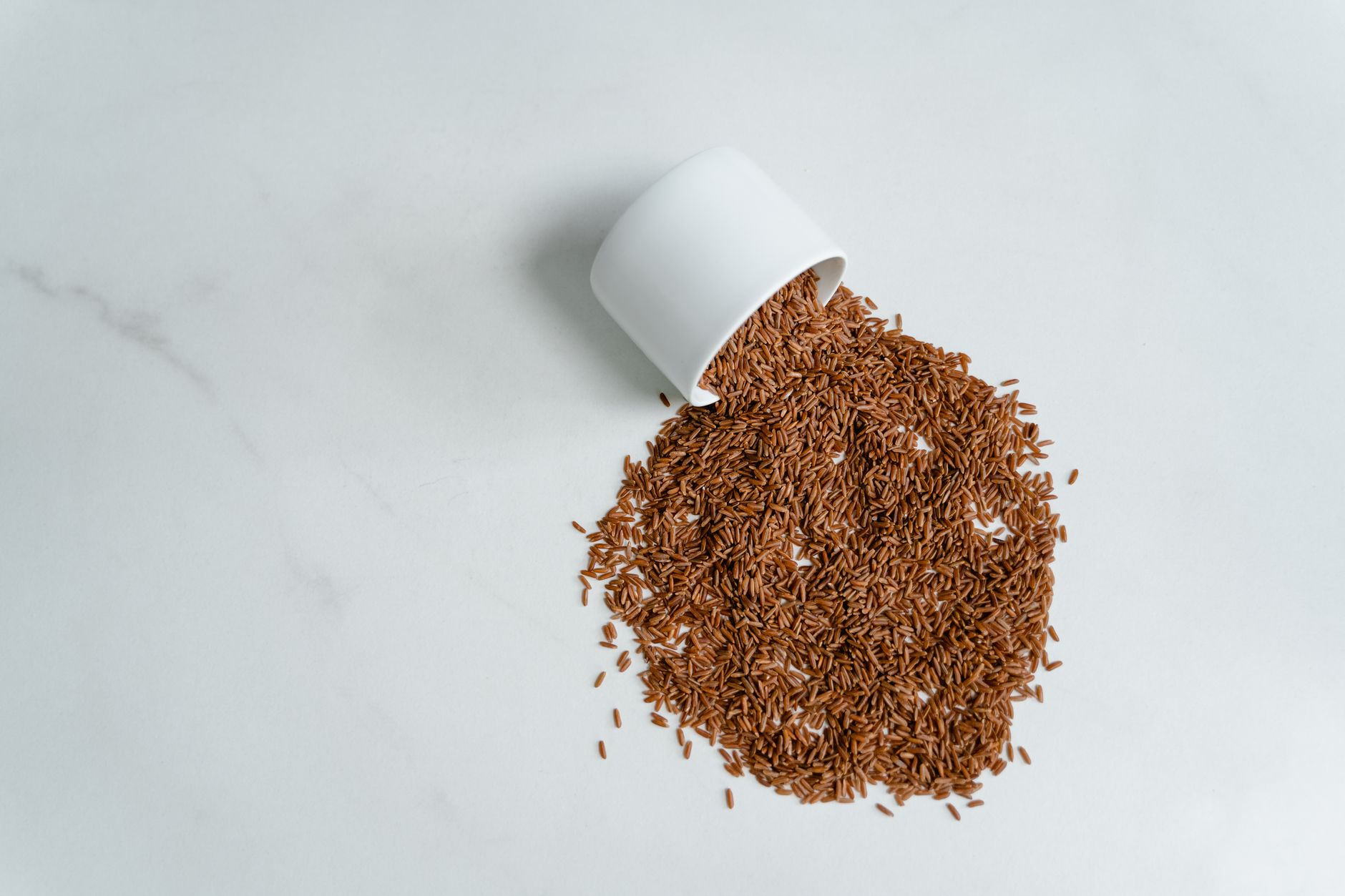
Understanding the measurement of rice is essential for both novice and experienced cooks alike. Knowing what 1 cup of rice looks like can help you with portioning meals, understanding recipes, and cooking times. This guide delves into the significance of rice measurements, their visual representation, and several culinary uses.
Rice is a staple food in many cultures and is used in a variety of dishes. From fragrant basmati rice served with curries to sticky sushi rice, different types of rice can enhance a meal while adding texture and flavor. Grasping the correct measurement can make all the difference in achieving the desired results in your cooking.
What Does 1 Cup of Rice Look Like?
1 cup of uncooked rice typically appears as a mound of small, white or brown grains, roughly equivalent to 7 ounces (200 grams) in weight. Depending on the type of rice, the appearance may vary slightly. For instance, long-grain rice like basmati is elongated, while short-grain rice is plump and round. The usual dimensions of 1 cup of rice can be visualized as filling an average-sized measuring cup to the top.
The Importance of Rice Measurements
Measuring rice accurately is crucial for achieving the right texture, flavor, and cooking time. Inconsistent measurements can lead to mushy or undercooked rice. Whether you’re preparing it as a side dish, main course, or part of a recipe, understanding how much rice to use is fundamental.
Common Rice Types and Their Characteristics
Different types of rice require different cooking methods and have distinct visual characteristics as well. Here’s a brief overview:
- White Rice: Commonly used, it has a light and fluffy texture once cooked.
- Brown Rice: Whole grain with a nuttier flavor and chewier texture, it requires longer cooking time.
- Basmati Rice: Known for its fragrant aroma and long grains, preferred in Indian and Middle Eastern dishes.
- Jasmine Rice: A long-grain rice with a subtle floral aroma, mostly used in Southeast Asian cuisines.
- Sushi Rice: Short-grain and sticky, perfect for Japanese sushi recipes.
Common Culinary Uses for 1 Cup of Rice
1 cup of rice can serve various culinary purposes. Here’s a look at some popular dishes and uses:
1. Side Dish
Making rice as a side dish is one of the simplest ways to complement a meal. Season the cooking water with herbs or spices to enhance flavor or serve it plain alongside meats and vegetables. For example, add a pinch of salt and a bay leaf for added taste.
2. Rice Bowls
Rice bowls have become increasingly popular for their versatility. You can top 1 cup of cooked rice with a variety of ingredients, such as grilled chicken, sautéed vegetables, and sauces, making it an easy and colorful meal.
3. Casseroles
Rice forms a fantastic base for casseroles. It can absorb flavors from broth, meats, and vegetables. Try adding cooked rice to a creamy casserole or bake it with stir-fried ingredients for a hearty dish.
4. Soups and Stews
Adding rice to soups and stews serves as a thickener and adds substance. One cup of uncooked rice will expand significantly, contributing to the overall volume of the soup. Consider using it in chicken soup or a vegetable stew.
5. Sushi
Specialized sushi rice mixed with rice vinegar, sugar, and salt becomes the foundation for a variety of sushi rolls. Using short-grain rice makes it sticky and suitable for rolling.
6. Rice Salads
Make refreshing rice salads by cooling cooked rice and mixing it with vegetables, herbs, and dressings. This is an excellent choice for summer potlucks and picnics.
Cooking Rice: Techniques and Tips
Cooking rice correctly depends on the method used. Here are the four most common techniques:
1. Absorption Method
This method involves cooking rice with a specific amount of water, which gets fully absorbed during cooking. Here’s how to do it:
- Rinse 1 cup of rice under cold water until the water runs clear.
- In a medium saucepan, combine rinsed rice with 2 cups of water, and a pinch of salt.
- Bring water to a boil over high heat.
- Once boiling, reduce heat to low, cover, and simmer for about 18-20 minutes or until the rice is tender.
- Remove from heat and let it stand covered for 5 minutes. Fluff with a fork before serving.
2. Pilaf Method
A pilaf involves sautéing rice in oil or butter before adding liquid, which adds flavor. Here’s a step-by-step guide:
- Heat 1 tablespoon of oil or butter in a pot over medium heat.
- Add 1 cup of rinsed rice and toast it for 2-3 minutes.
- Pour in 2 cups of broth and add seasonings. Bring to a simmer.
- Cover and cook on low heat for 18-20 minutes.
3. Rice Cooker Method
If you own a rice cooker, it simplifies cooking significantly. Follow the manufacturer’s instructions, as most rice cookers work on a simple ratio of 1 cup rice to 2 cups water.
4. Instant Pot Method
Using an Instant Pot is an efficient method, especially for larger quantities of rice. Here’s how:
- Add 1 cup of rinsed rice and 1 to 1.25 cups of water to the pot.
- Seal the lid and set to cook on high pressure for 4-6 minutes.
- Allow 10 minutes of natural release before opening the pot.
Common Mistakes and Troubleshooting
When cooking rice, it’s easy to make mistakes. Here are some common issues and how to avoid them:
1. Using Too Much Water
Too much water leads to mushy rice. If this happens, try letting it sit uncovered on low heat to evaporate excess moisture.
2. Not Rinsing Rice
Skipping the rinsing process can lead to overly sticky rice due to excess starch. Always rinse rice until the water runs clear.
3. Lifting the Lid
Opening the lid during cooking disrupts steam and can lead to uneven cooking. Keep the lid closed until the rice is done.
Storing and Reheating Rice
Proper storage of cooked rice is crucial for maintaining its quality and preventing food safety issues. Here’s what to know:
Storing Cooked Rice
- Refrigerate cooked rice in an airtight container within 2 hours of cooking.
- Utilize within 3-4 days for the best quality.
Freezing Cooked Rice
- For longer storage, place cooled rice in freezer bags. Flatten for easier stacking and storage.
- Use within 1 month for optimal flavor and texture.
Reheating Cooked Rice
When reheating, add a splash of water to prevent it from drying out. You can use the microwave or stovetop to reheat rice effectively:
- Microwave: Place rice in a microwave-safe bowl and cover with a damp paper towel. Heat on high for 1-2 minutes.
- Stovetop: Add rice to a pot with a little water, cover, and heat over low until warmed through.
Conclusion
Understanding what 1 cup of rice looks like, how to measure it, and the techniques to prepare it can greatly enhance your cooking skills. By familiarizing yourself with rice varieties, cooking methods, and storing them properly, you’ll add a nutritious and versatile ingredient to countless meals.
For further cooking insights, explore how to calculate the right water ratio for rice cooking or learn about a delicious Puerto Rican rice recipe. Happy cooking!