
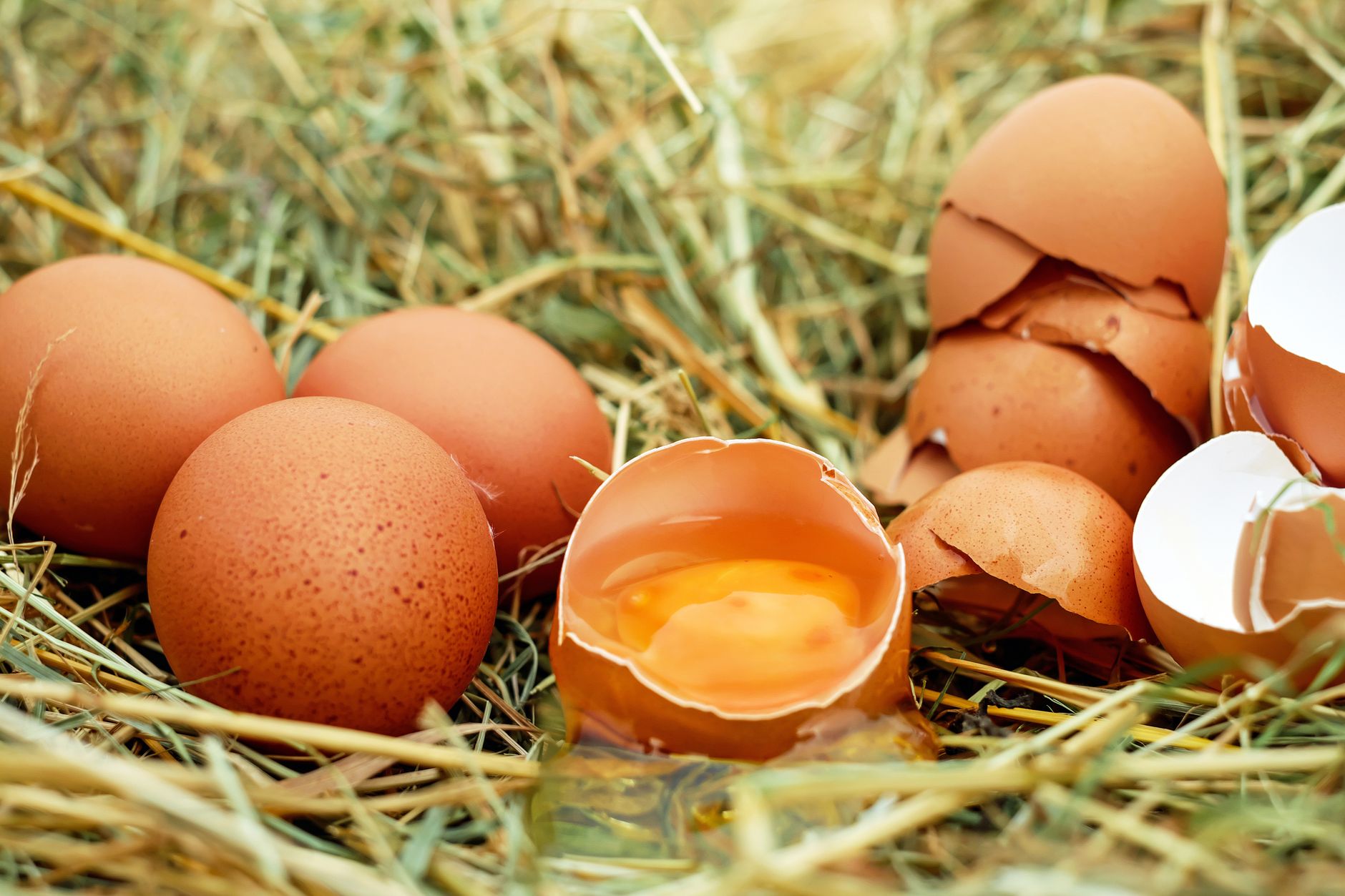
Raw eggs have been a topic of debate among culinary enthusiasts and health-conscious eaters alike. Many people enjoy them in dishes like Caesar salad dressing, homemade mayonnaise, and protein shakes. However, the safety of consuming raw eggs raises concerns due to potential foodborne illnesses. This article explores whether raw eggs are safe to eat, what risks are involved, and how to prepare and use them safely in your kitchen.
In addition to discussing food safety measures, we will cover preparation tips, relevant serving guidelines, and alternatives to using raw eggs. Understanding the implications of consuming raw eggs can help you make informed choices in your cooking and meal planning decisions.
Is Raw Egg Safe to Eat?
Raw eggs can pose a risk of foodborne illness, primarily due to the threat of Salmonella contamination. While the actual risk is relatively low, it is critical to take proper precautions and understand best practices when including raw eggs in your diet. For those at higher risk, such as pregnant women, young children, the elderly, and individuals with compromised immune systems, it is generally advisable to avoid raw eggs altogether.
Understanding the Risks Associated with Raw Eggs
The primary concern with raw egg consumption is Salmonella bacteria, which can be present both inside and on the outside of the egg. This bacterium causes an illness characterized by symptoms such as fever, diarrhea, abdominal cramps, and vomiting. While Salmonella infections can occur from consuming undercooked poultry or other contaminated foods, raw eggs are another potential source.
The good news is that the incidence of Salmonella in commercially-produced eggs has decreased significantly due to better farming practices and rigorous inspections. According to the USDA, only about 1 in 20,000 eggs is contaminated with Salmonella. Despite these improvements, it’s still crucial to consider the following factors when deciding whether to eat raw eggs:
- Source: Purchase eggs from reputable suppliers. Organic or free-range eggs are often thought to have lower contamination rates, but they still pose a risk.
- Storage: Ensure proper egg storage in the refrigerator to minimize bacterial growth. Eggs should be kept at a consistent temperature of 40°F (4.4°C) or lower.
- Cleanliness: Wash your hands and any surfaces or utensils that come into contact with raw eggs to prevent cross-contamination.
Precautions to Take When Consuming Raw Eggs
If you decide to use raw eggs in your cooking, here are some safety measures to follow:
- Use pasteurized eggs: Pasteurized eggs have been gently heated to kill bacteria without cooking the egg. They are a safer option if you want to consume raw eggs.
- Inspect eggs before purchase: Avoid eggs with cracked or dirty shells, as these can increase the risk of contamination.
- Pay attention to expiration dates: Always check the use-by or sell-by dates on the carton to ensure freshness.
Ways to Use Raw Eggs Safely
Once you’ve established that you’re comfortable using raw eggs safely, there are numerous delicious ways to incorporate them into your meals:
1. Protein Shakes and Smoothies
Raw eggs can be an excellent source of protein, making them a popular addition to protein shakes and smoothies. Using pasteurized eggs can provide added peace of mind while still boosting protein content. Combine a raw egg with your favorite fruits, vegetables, and a liquid of your choice to create a nutritious drink.
2. Dressings and Sauces
Classic salad dressings like Caesar and homemade mayonnaise traditionally use raw eggs. For your Caesar salad, you can whisk together pasteurized egg yolks, Dijon mustard, lemon juice, Worcestershire sauce, and olive oil for a rich and creamy dressing.
3. Baking and Desserts
Raw eggs are often used in recipes for cookies and custards. To enjoy a traditional Italian dessert, try making tiramisu with raw egg yolks blended with sugar, mascarpone cheese, and coffee-soaked ladyfingers. Alternatively, for a quick treat, make cookie dough that contains raw eggs—just make sure to use pasteurized eggs!
4. Traditional Regional Dishes
Many regional cuisines utilize raw eggs in dishes like Japanese ramen, where a soft-boiled egg is commonly served with a runny yolk. Additionally, dishes like eggnog and some variations of sushi may incorporate raw eggs for flavor and texture.
Alternatives to Raw Eggs
If you want the flavor or consistency typically achieved with raw eggs but prefer to avoid the risks, several alternatives exist:
- Silken tofu: Blending silken tofu provides a creamy base that works well in smoothies and desserts.
- Yogurt: Plain yogurt can serve as a good substitute in dressings or desserts, adding creaminess without the risk of raw eggs.
- Commercial egg substitutes: Products designed to mimic eggs convenience often contain pasteurized ingredients and can be used in a variety of recipes.
How to Store and Handle Raw Eggs
Proper storage and handling of raw eggs reduce the risk of contamination. Here are some guidelines to consider:
- Refrigerate promptly: Store eggs in their original carton in the coldest part of the refrigerator to maintain freshness and minimize temperature fluctuations.
- Avoid washing eggs: Washing eggs can remove their natural protective coating and increase the risk of contamination through the porous shell.
- Consume quickly: Use raw eggs within two days after cracking them open for the best safety and quality.
Meal Planning with Raw Eggs
Integrating raw eggs into your meal planning can be a unique way to diversify your diet. Here is a sample plan incorporating raw eggs while ensuring safety and variety:
| Meal | Dish | Notes |
|---|---|---|
| Breakfast | Fruit Smoothie with Raw Egg | Use one pasteurized egg to boost protein. |
| Lunch | Caesar Salad | Make dressing with pasteurized egg yolk. |
| Dinner | Ramen with Soft-Boiled Egg | Use a runny yolk or add raw egg to broth. |
| Dessert | Tiramisu | Incorporate raw yolks for creamy texture. |
Common Mistakes and Troubleshooting
When working with raw eggs, there are some frequent pitfalls to avoid:
- Using non-pasteurized eggs: Ensure you select pasteurized eggs for recipes requiring raw eggs.
- Ignoring proper hygiene: Always wash your hands and any equipment used in the preparation of raw eggs to avoid contamination.
- Failing to store properly: Keep eggs well-refrigerated and use them promptly once they’ve been cracked open.
Conclusion
While raw eggs can be enjoyed safely in various dishes, understanding the risks associated with their consumption is key. By following proper precautions, choosing pasteurized eggs, and ensuring cleanliness in your kitchen, you can minimize the risks of Salmonella and other foodborne illnesses. If you are uncertain about using raw eggs, consider the numerous viable alternatives available.
For further reading on eggs and their storage, check out when eggs go bad and how long eggs last after the sell-by date for more information on egg safety and quality. Incorporating safe practices into your cooking will allow you to enjoy your favorite dishes worry-free.
Explore more recipes, cooking tips, and food guides to expand your culinary knowledge and skills!