
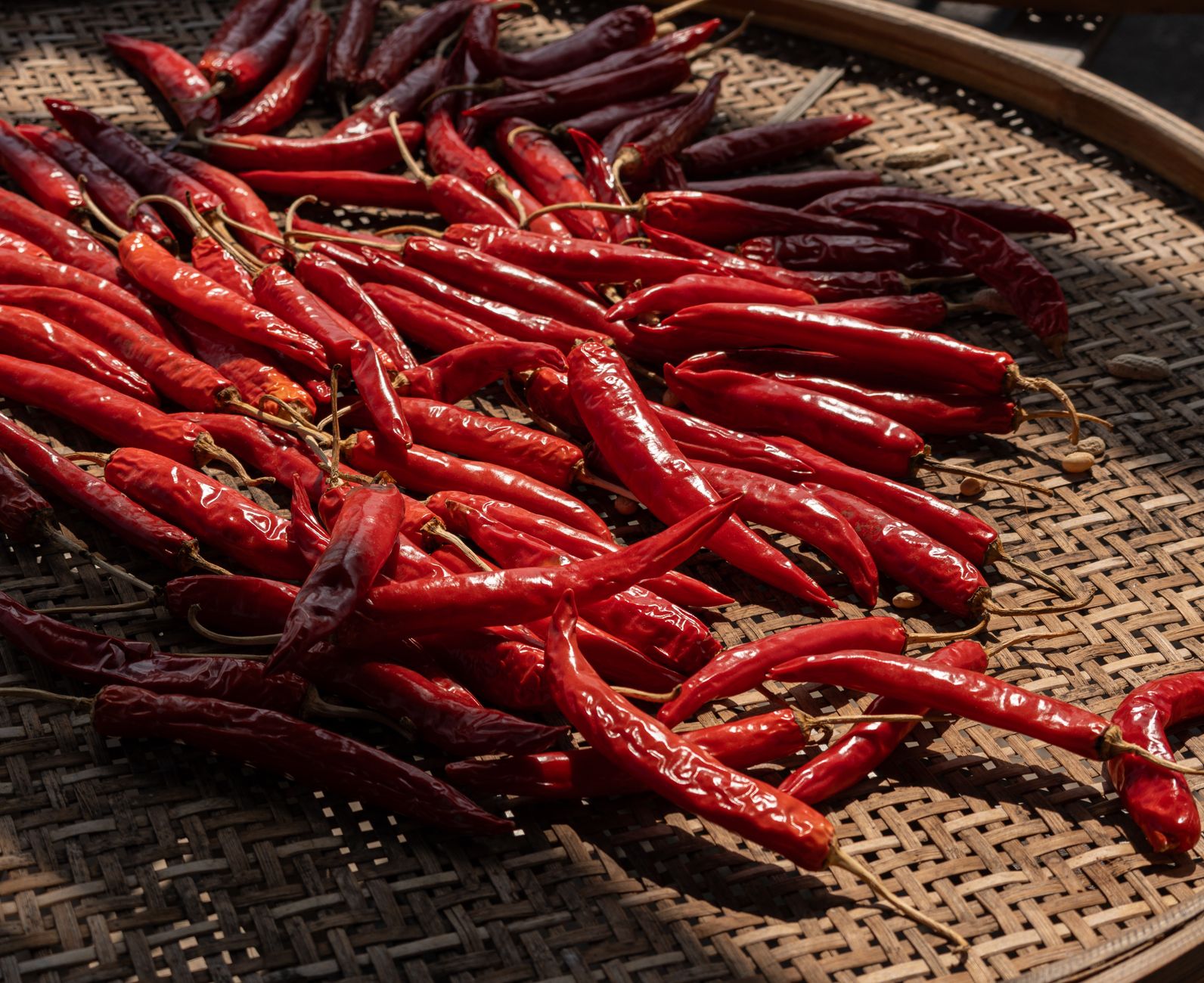
Cayenne pepper is a vibrant and spicy ingredient that has captivated the culinary world for centuries. Known for its intense heat and distinctive flavor, cayenne pepper adds depth to various dishes, from sauces and stews to marinades and rubs. Understanding its origins and historical significance not only enriches our appreciation of this spice but also guides us in selecting and using it effectively.
This article explores where cayenne pepper comes from, delving into its botanical roots, cultivation practices, regional variations, and its evolution in global cuisines. Whether you’re a spice enthusiast or a curious cook, the journey of cayenne pepper offers fascinating insights into the world of flavor.
Where Does Cayenne Pepper Come From?
Cayenne pepper originates from the fruits of the Capsicum annuum plant, a member of the nightshade family. This particular variety of chili pepper is believed to have its roots in Central and South America. It quickly spread across the globe due to its flavor, heat, and extensive culinary applications, becoming an essential ingredient in various cuisines.
Botanical Background of Cayenne Pepper
The Capsicum annuum species encompasses a diverse range of chili peppers, including sweet bell peppers and hot varieties like jalapeños and cayenne. These peppers are cultivated primarily for their fruits, which are used fresh, dried, or ground into powder. Cayenne peppers are typically small, slender, and vibrant red, with a pungent flavor profile that combines heat and subtle sweetness.
Classification and Characteristics
Cayenne pepper is classified based on its Scoville heat unit (SHU) rating, which measures the spiciness. Typically, cayenne peppers range from 30,000 to 50,000 SHU. The heat level can vary depending on factors such as growing conditions and specific cultivars. Cayenne peppers are also rich in vitamins A and C, providing additional health benefits alongside their culinary uses.
History and Cultural Significance
Cayenne pepper has a rich history that dates back thousands of years. Indigenous cultures in Central and South America first cultivated it, utilizing it for both culinary and medicinal purposes. The spice was not only valued for its flavor but also for its preservative properties, helping extend the shelf life of food.
With the arrival of European explorers in the Americas, cayenne pepper spread to various parts of the world. Its heat and flavor appealed to many cuisines, making it a versatile ingredient. It played a significant role in the development of spice trade routes, further solidifying its place in global culinary traditions.
Growing Cayenne Pepper
Cultivating cayenne pepper requires specific conditions for optimal growth. Here’s what you need to know about growing this fiery pepper at home or understanding its commercial cultivation.
Climate and Soil Requirements
Cayenne pepper thrives in warm, temperate climates with plenty of sunlight. The ideal temperature for growth ranges from 70°F to 85°F (21°C to 29°C). The soil should be well-drained and rich in organic matter, with a pH level between 6.0 and 7.0. Amending the soil with compost can enhance nutrient uptake and promote healthy plant growth.
Planting and Care
- Starting Seeds: Begin by sowing cayenne pepper seeds indoors about 8 to 10 weeks before the last frost date. Use seed trays and a seed-starting mix, keeping the soil moist but not soggy.
- Transplanting: Once seedlings are 3 to 4 inches tall and outdoor temperatures stabilize, transplant them into the garden or larger pots, spacing the plants 18 to 24 inches apart.
- Watering and Fertilizing: Provide consistent moisture, especially during dry periods. A balanced fertilizer can be applied every 4 to 6 weeks to support growth.
- Harvesting: Cayenne peppers should be harvested when they are fully mature, typically when they turn vibrant red. Wear gloves while handling, as the oils can irritate the skin.
Culinary Uses of Cayenne Pepper
Cayenne pepper is a staple in many kitchens, known for its ability to elevate flavors and add spice to dishes. Here are some popular culinary applications and tips for using cayenne pepper effectively.
Flavor Profile and Pairings
Cayenne pepper has a fiery yet fruity flavor that can enhance both savory and sweet dishes. It pairs well with a variety of ingredients, including:
- Meats such as chicken, beef, and pork
- Vegetables, including potatoes and leafy greens
- Sauces and dressings to add a kick
- Beans and legumes, enhancing their earthy profiles
- Sweets, where a pinch can add complexity
Popular Recipes Featuring Cayenne Pepper
Cayenne pepper can be used in various recipes, providing heat and flavor dimension. Here are a few examples:
Spicy Marinades
Mix cayenne pepper with olive oil, garlic, and herbs to create a spicy marinade for meats, tofu, or vegetables before grilling or roasting.
Soups and Stews
Add cayenne pepper to soups and stews for a warming heat. Just a teaspoon can transform a basic tomato soup into a spicy delight.
Hot Sauces
Cayenne pepper is a core ingredient in many hot sauces, contributing to their distinctive flavor and heat. It can be blended with vinegar, garlic, and sugar for a homemade version.
Regional Variations of Cayenne Pepper
Different regions have adopted cayenne pepper, resulting in unique culinary traditions and adaptations. Understanding these variations can deepen your appreciation for this spice.
Central and South America
In its homeland, cayenne pepper is used in many traditional dishes, such as salsas, sauces, and spice blends. The cuisine often emphasizes fresh ingredients, allowing the flavor profile of cayenne to shine.
Asian Cuisines
In Asian cooking, particularly in Thai and Indian cuisines, cayenne pepper is a key component in curries and stir-fries. It adds the spice necessary for balancing rich flavors in complex dishes.
Southern United States
In Southern cuisine, cayenne pepper features prominently in dishes such as gumbo, jambalaya, and fried chicken. It enhances the flavor while providing the characteristic kick associated with Southern cooking.
Practical Tips for Using Cayenne Pepper
Using cayenne pepper can enhance your cooking, but it’s essential to use it wisely to avoid overpowering your dishes. Here are practical tips for incorporating this spice into your cooking.
Measuring and Adjusting Spice Levels
When using cayenne pepper, remember that a little goes a long way. Start with small amounts, such as 1/4 teaspoon, and adjust to taste. This gradual approach allows you to control the heat level effectively.
Flavor Balance
Cayenne pepper’s heat can be balanced by incorporating sweet, sour, and umami flavors. Adding a touch of sugar, acidity from vinegar or citrus, or richness from fats can create a harmonious flavor profile.
Storage Recommendations
To preserve its potency, store cayenne pepper in an airtight container in a cool, dark place. Whole dried cayenne peppers can last up to two years, while powder retains its flavor for about six months to a year.
Common Mistakes When Using Cayenne Pepper
Many home cooks encounter challenges when using cayenne pepper. Here are some common mistakes to avoid and tips to troubleshoot them.
Using Too Much Spice
Over-adding cayenne pepper can lead to overwhelmingly spicy dishes. To avoid this, use small amounts, taste as you go, and consider the cumulative heat if combining with other spicy ingredients.
Not Balancing Flavors
Failing to balance the heat with other flavors can result in dishes that are one-dimensional. Ensure you include sweet, sour, or umami elements to round out the dish.
Assuming All Cayenne Pepper is Equal
The heat level and flavor can vary between different brands and batches of cayenne pepper. Always taste-test and adjust accordingly when trying a new product.
Conclusion
Cayenne pepper is much more than a spice; it carries a rich history and brings depth and excitement to numerous culinary traditions. Its origins, cultivation practices, and diverse uses highlight its significance in kitchens worldwide. Embrace this fiery ingredient and explore the culinary possibilities it offers.
For more on incorporating spices and elevating your dishes, explore related cooking techniques, ingredient guides, and culinary tips in our collection.