
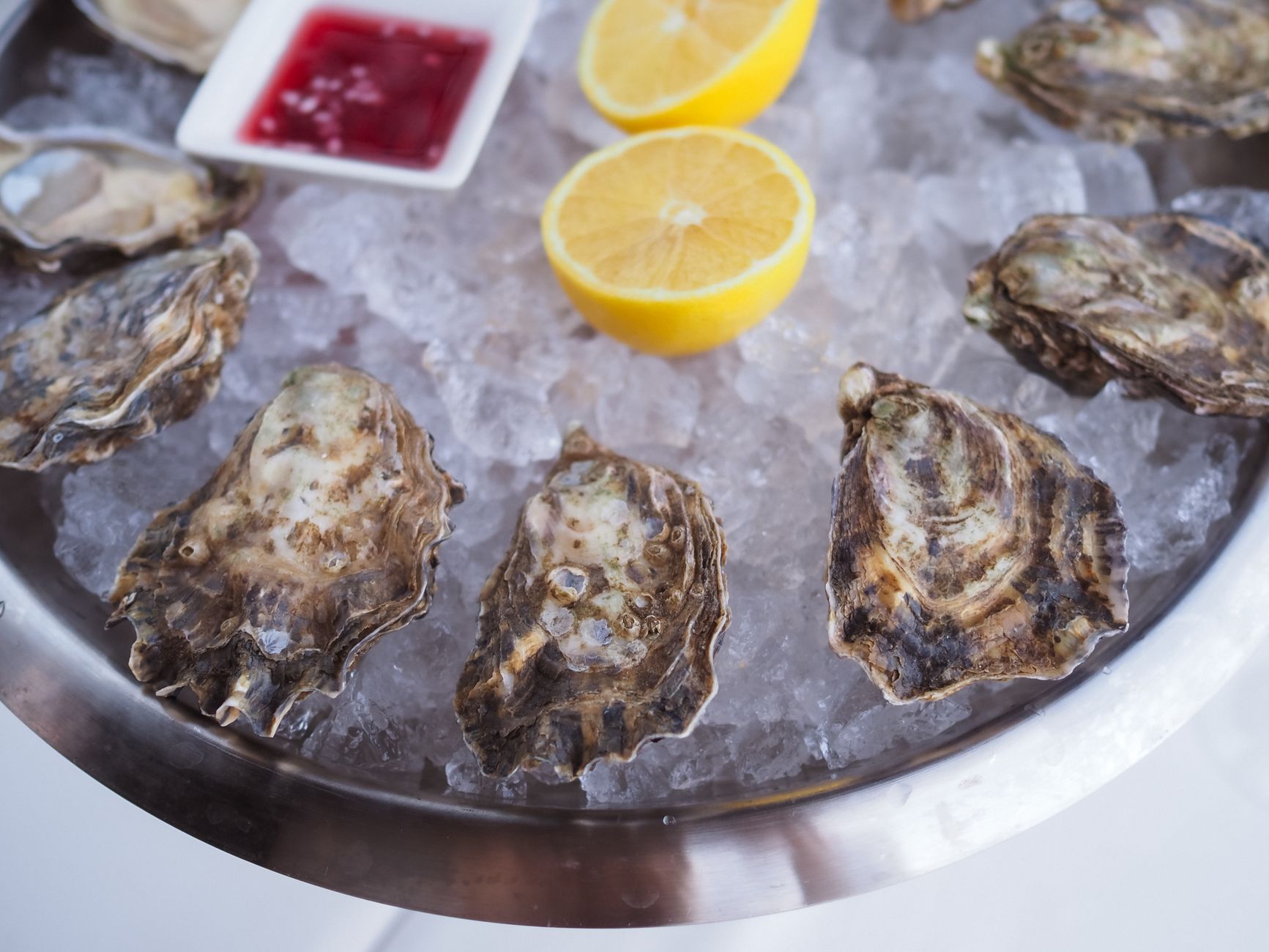
Oysters have fascinated food lovers for centuries, often provoking strong opinions and taste experiences. For many, they are a delicacy to be savored, appreciated for their unique flavor and texture. Understanding what oysters taste like is essential for anyone considering indulging in this oceanic treat.
In this comprehensive guide, we will explore the flavor profiles of oysters, their textures, popular pairings, and tips for selecting and preparing them. Whether you are new to oysters or looking to deepen your knowledge, this article has you covered.
What Does Oysters Taste Like?
Oysters are often described as briny, creamy, and slightly sweet, with a complex mix of oceanic and earthy notes. The taste can vary widely depending on the oyster species, their environment, and how they are prepared. Some may find the taste reminiscent of the ocean, while others may detect hints of minerals or even a buttery texture.
The Flavor Profile of Oysters
To understand oysters better, let’s break down their flavor profile into several categories.
Brininess
The primary flavor most people associate with oysters is brininess. This salty taste is influenced by the water they inhabit, as oysters filter seawater for food. The level of salinity can range significantly from one oyster to another, making some taste more like the ocean than others.
Sweetness
Despite their saltiness, oysters often have a subtle sweetness. This contrasts beautifully with their briny nature, contributing to the overall complexity of the flavor. When oysters are particularly fresh, the sweetness can be more pronounced.
Earthy and Mineral Notes
Many oysters have earthy undertones that add depth to their flavor. This can include notes of minerals, which are absorbed from the shell and surrounding environment. Depending on the oyster’s growing conditions, you may also sense a metallic or stone-like quality, which adds to the overall experience.
Umami
Oysters are rich in umami flavor, often described as savory or meaty. This characteristic enhances their appeal, making them a popular choice in gourmet dishes. The umami taste comes from the amino acids present in the flesh of the oysters.
The Texture of Oysters
Texture plays a significant role in the overall perception of oysters. When it comes to texture, oysters can be categorized into two main groups: soft and firm. Let’s examine these textural nuances more closely.
Soft and Creamy
Fresh oysters often have a soft, creamy texture that glides smoothly on the palate. This is most commonly found in species such as the Kumamoto or the Pacific oyster, which are recognized for their delicate and velvety mouthfeel.
Firm and Chewy
Other oyster varieties, like the Atlantic or Eastern oysters, tend to be firmer, providing a slight chew that can be satisfying. This firmer texture allows for a different eating experience and can be appealing to those who enjoy more substantial bites.
The Varieties of Oysters and Their Taste Differences
There are numerous oyster varieties, each delivering its unique flavor and texture profile. Here are some popular types:
- Kumamoto: Known for their small size and sweet flavor, Kumamoto oysters are cultivated primarily on the U.S. West Coast. They offer a creamy texture with hints of melon.
- Blue Point: Blue Point oysters are larger and meatier, with a firm texture and a moderately briny taste. They are often enjoyed on the half shell.
- Pacific: Commonly found in the U.S. and Canada, these oysters can range from mild to slightly sweet, with a soft and creamy texture.
- Eastern: These oysters provide a bolder, saltier taste with a firmer texture. They are larger and often served in raw bars.
- Wellfleet: Hailing from Massachusetts, Wellfleet oysters are celebrated for their clean taste and balance of sweetness and brininess. Their meat is tender and plump, making them a favorite.
How Environment Affects Oyster Flavor
The environment where oysters grow plays a vital role in determining their flavor. Factors such as salinity, water temperature, and sediment can all influence the taste.
Salinity
The salinity of the water is perhaps the most significant factor. Oysters from higher salinity environments typically have a stronger briny flavor, while those in lower salinity regions will taste milder and sweeter. This varying taste can lead to distinct flavor profiles even among the same species.
Water Quality and Temperature
Clean, nutrient-rich waters often yield more flavorful oysters. The temperature of the water can also affect their growth and flavor; warmer waters may lead to faster growth but can sometimes result in a less intensive flavor.
Popular Pairings for Oysters
Oysters can be enjoyed plain or paired with various accompaniments that enhance their inherent flavors. Here are some classic pairings:
- Lemon: The acidity of lemon juice brightens the flavor of oysters and cuts through their richness.
- HorseRadish: Spicy horseradish adds a robust kick that complements the brininess of oysters nicely.
- Hot Sauce: Many enjoy a splash of hot sauce, which adds heat and acidity, balancing the umami notes in oysters.
- Garlic Butter: When cooked, oysters are often served with garlic butter, enhancing their rich, savory qualities.
- Champagne: A classic pairing, the crispness of champagne contrast beautifully with the creaminess of oysters, creating a luxurious experience.
How to Select Fresh Oysters
Choosing fresh oysters is essential for a delicious seafood experience. Here are some key indicators to consider:
- Smell: Fresh oysters should smell like the ocean, with a clean and briny scent. If they emit a strong fishy or off-putting odor, it’s best to avoid them.
- Shell Condition: Look for oysters with tightly closed shells or ones that close when lightly tapped. Open shells may indicate that the oyster is dead or spoiled.
- Shell Appearance: Fresh oysters should have a rough, clean shell without excessive damage or discoloration.
- Harvest Date: Check for the harvesting date to ensure you’re buying the freshest oysters possible. The rule of thumb is the “R” rule: consume oysters only in months with an “R” in the name, though farmed oysters may be available year-round.
Preparing Oysters
Oysters can be enjoyed in several ways, including raw, baked, grilled, or fried. Below are some popular preparation methods.
Raw
Eating oysters raw is one of the most common methods and allows you to experience their natural flavor. Here’s how to prepare them:
- Clean the oysters under cold running water to remove any dirt or debris.
- Place them on a stable surface with the flat side facing up.
- Using an oyster knife, carefully insert the blade into the hinge area, applying gentle pressure to pry open the shell.
- Once opened, discard the top shell and carefully remove any debris before serving on a bed of ice.
- Serve with lemon wedges, cocktail sauce, or other desired toppings.
Baked
For those who prefer cooked oysters, baking is a delicious option. They can be topped with various sauces or cheeses for added flavor. Here’s a simple technique:
- Preheat your oven to 400°F (200°C).
- Open the oysters and place them on a baking sheet. Discard the top shell.
- Add your desired toppings, such as a mix of garlic, breadcrumbs, and parmesan cheese.
- Bake for about 10-15 minutes or until the oysters are cooked through and the topping is golden brown.
- Serve immediately.
Grilled
Grilling oysters adds a smoky flavor that complements their brininess beautifully. Here’s a quick guide:
- Preheat the grill to medium heat.
- Open the oysters and place them on the grill with the cupped side down to catch the juices.
- Grill for about 5-7 minutes or until the oysters begin to curl at the edges.
- Add any desired sauces, like a lemon butter or chimichurri, and serve warm.
Common Mistakes When Eating Oysters
Even seasoned oyster enthusiasts can make mistakes when it comes to enjoying this seafood delicacy. Here are a few common pitfalls to avoid:
- Skipping Freshness Checks: Always ensure you’re buying fresh oysters from a reputable source and checking for signs of spoilage.
- Overdoing it with Toppings: While sauces and garnishes can enhance the flavor, too many toppings can overpower the oyster’s natural taste.
- Eating Them at the Wrong Temperature: Oysters should be served cold when raw, but ensure they are cooked to the appropriate temperature when baked or grilled.
- Not Pairing Correctly: Consider your beverage choices carefully. While white wine and champagne are common, beers and even cocktails can be complementary if chosen wisely.
Storing Oysters
Proper storage is crucial to ensure the quality and safety of oysters. Here are some essential tips:
- Keep Them Cold: Store oysters in the refrigerator at temperatures between 32°F and 40°F (0°C to 4°C). Never store them in water or airtight containers.
- Use a Damp Cloth: Place a damp cloth over the oysters to prevent them from drying out while in storage.
- Consume Promptly: Fresh oysters should ideally be consumed within a week of purchase for the best flavor and safety.
Conclusion
Understanding what oysters taste like unlocks a diverse world of flavors and textures that can elevate your culinary experiences. The interplay of brininess, sweetness, and earthy notes make them unique, whether enjoyed raw or cooked. Proper selection, preparation, and pairing will further enhance your enjoyment of these ocean delicacies.
Explore more about delicious culinary adventures by checking out our recipes for oyster sauce or try our tasty oyster cracker snack recipe.