
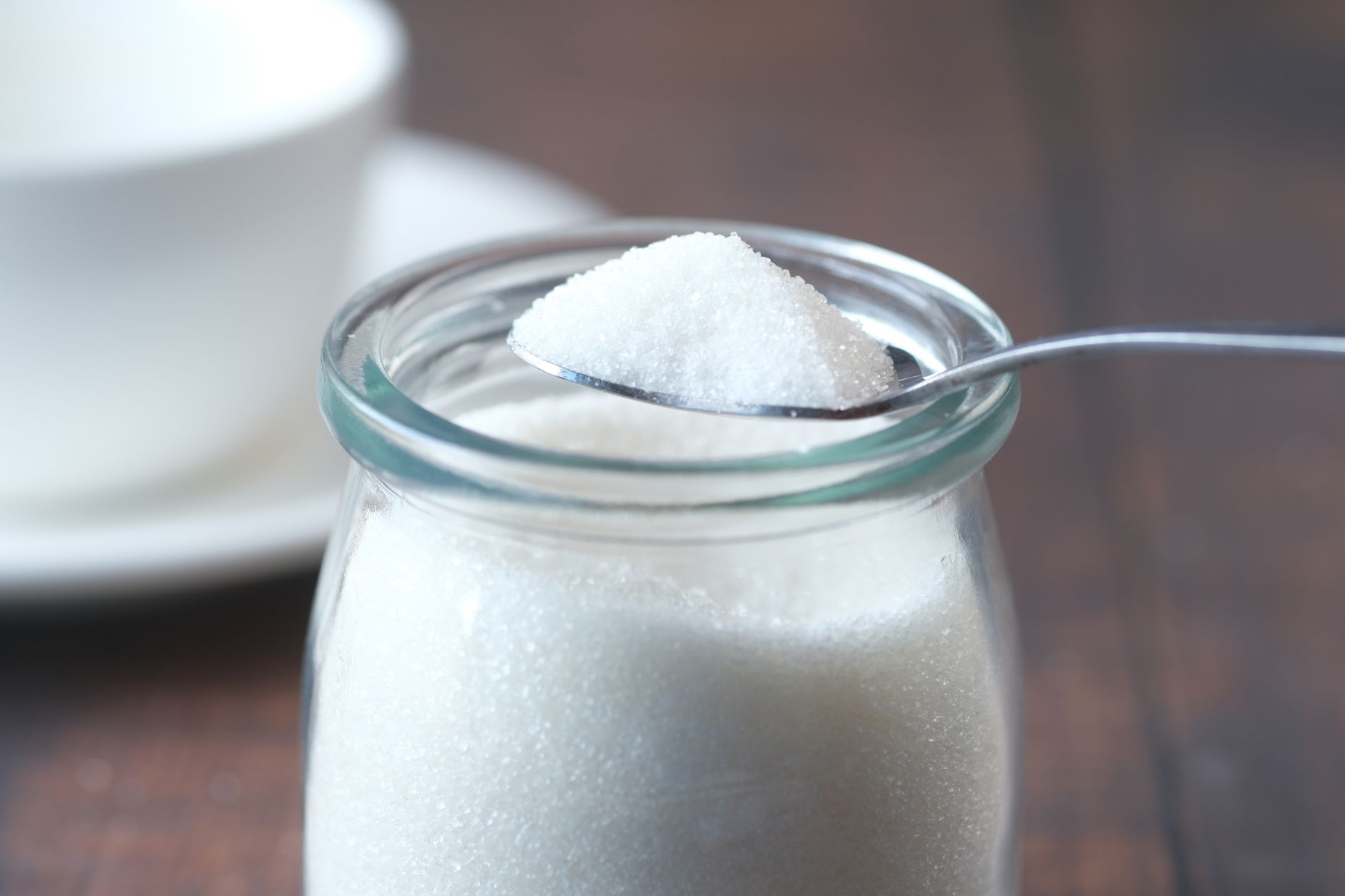
Sugar is a key ingredient in many recipes, from baking to beverages. Understanding how much it weighs is crucial, especially for accurate measurements in cooking and baking. If you’re wondering how much 2 cups of sugar weighs, this guide will provide you with accurate information along with conversion tips, and insights on how sugar functions in your dishes.
In this article, we will explore the weight of sugar when measured in cups, how its type affects its weight, conversion methods for different measurements, and additional tips for using sugar in your cooking adventures.
How Much Does 2 Cups of Sugar Weigh?
Two cups of granulated sugar typically weighs around 400 grams or 14.1 ounces. However, variations can occur based on the type of sugar used. Understanding the precise weight can help ensure your recipes turn out as intended.
Understanding Different Types of Sugar
Not all sugar is the same, and each type will have its own weight variations when measured. Here’s a closer look at some common types of sugar:
- Granulated Sugar: This is the most common sugar used in baking and cooking and weighs approximately 200 grams per cup. Therefore, 2 cups would weigh about 400 grams or 14.1 ounces.
- Brown Sugar: When packed, brown sugar can weigh more than granulated sugar. One cup of packed brown sugar is about 220 grams. Thus, 2 cups would weigh around 440 grams or 15.5 ounces.
- Powdered Sugar: Also known as confectioners sugar, one cup weighs approximately 120 grams when sifted. Therefore, 2 cups would weigh around 240 grams or 8.5 ounces.
- Coconut Sugar: This natural sugar has a similar weight to brown sugar, weighing about 200 grams per cup. This means 2 cups of coconut sugar would weigh roughly 400 grams or 14.1 ounces.
- Raw Sugar: Raw sugar can weigh slightly more than granulated due to its larger crystals. One cup weighs about 210 grams, making 2 cups approximately 420 grams or 14.8 ounces.
How to Measure Sugar Accurately
Accurate measurements are essential in cooking and baking. Here are some tips for measuring sugar correctly:
- Add the Sugar to the Measuring Cup: If you’re using granulated or raw sugar, take a scoop of sugar and fill the measuring cup without packing it down. Level off the top with a straight edge, such as a knife.
- For Brown Sugar: When measuring brown sugar, use a dry measuring cup and firmly pack the sugar down before leveling it off. Brown sugar should hold its shape when removed from the cup.
- For Powdered Sugar: Use a spoon to fluff up the powdered sugar before measuring. Scoop it lightly into a measuring cup and level it off without packing it down.
Common Conversions for Sugar
Understanding how to convert sugar measurements is invaluable, especially when you need a specific weight for your recipes. Here are some standard conversions:
- 1 cup granulated sugar = 200 grams / 7.1 ounces
- 1 cup packed brown sugar = 220 grams / 7.8 ounces
- 1 cup powdered sugar = 120 grams / 4.2 ounces
- 1 cup coconut sugar = 200 grams / 7.1 ounces
- 1 cup raw sugar = 210 grams / 7.4 ounces
Importance of Weight Measurements in Baking
Using weight measurements instead of volume can enhance the consistency of your baked goods significantly. Here are key benefits:
- Accuracy: Weight ensures more precise measurements than volume, which can vary based on the measuring method.
- Consistency: Weight measurement helps achieve consistent results each time you bake, as it eliminates variations caused by different measuring techniques.
- Reliability: Using a scale to measure ingredients leads to better recipe outcomes, especially in sensitive recipes such as cakes and pastries.
When to Use Sugar in Your Cooking
Sugar plays various roles in cooking, and its application can affect the flavor, texture, and appearance of your dishes. Here are some key functions:
- Sweetening: The primary function of sugar is to sweeten food and beverages, balancing flavors in both savory and sweet dishes.
- Texture Improvement: Sugar can contribute to the tenderness of baked goods by inhibiting gluten development.
- Moisture Retention: Sugars attract moisture, which helps cakes and cookies maintain freshness and prevent drying out.
- Color and Flavor Development: Sugar caramelizes when heated, contributing to the browning of baked goods and enhancing flavors.
- Fermentation Support: In bread making, sugar feeds yeast, encouraging fermentation and helping the dough to rise.
Substitutions for Sugar
If you find yourself out of sugar or looking to reduce sugar intake, there are several substitutes. Keep in mind, though, that substitutions can impact the final outcome:
- Honey: Use 3/4 cup of honey for every cup of sugar. Reduce liquid by 1/4 cup and reduce oven temperature by 25°F.
- Maple Syrup: Use 3/4 cup of maple syrup for every cup of sugar. Reduce liquid in the recipe by 3 tablespoons.
- Agave Nectar: Use 2/3 cup of agave nectar for every cup of sugar, and lower liquid by 1/4 cup.
- Stevia: Use 1 teaspoon of stevia for every cup of sugar. Be aware that stevia is much sweeter, and adjustments may vary by brand.
- Coconut Sugar: This can be used as a 1:1 replacement for granulated sugar in most recipes.
Common Mistakes When Using Sugar
Even experienced cooks can make mistakes when it comes to sugar. Here’s how to avoid common pitfalls:
- Not Measuring Correctly: Ensure correct measurement techniques; inaccurate measurements often lead to imbalanced flavors and textures.
- Using the Wrong Type of Sugar: Using brown sugar instead of granulated can lead to overly dense baked goods. Always check the recipe for the correct sugar type.
- Skipping Sugar in Savory Dishes: Don’t forget to incorporate a small amount of sugar even in savory dishes, as it enhances flavors.
- Not Adjusting for Substitutions: When substituting, remember that each substitute behaves differently and may require additional adjustments.
- Overlooking Storage: Store sugar properly to prevent it from clumping or absorbing moisture; use airtight containers.
Storing Sugar Properly
Proper storage of sugar is essential to maintain its quality and prevent spoilage. Here are some tips:
- Keep It Dry: Store sugar in a cool, dry place to prevent clumping and moisture absorption.
- Airtight Containers: Use airtight containers to keep sugar fresh and to minimize exposure to air and moisture.
- Separate Types: Store granulated, brown, and powdered sugar separately to avoid flavor transfer and maintain freshness.
- Freezing Brown Sugar: If your brown sugar hardens, you can freeze it in an airtight container to extend its life. Just thaw it before using.
A Quick Reference Table
| Type of Sugar | Weight (per cup) | Weight (for 2 cups) |
|---|---|---|
| Granulated Sugar | 200 grams / 7.1 ounces | 400 grams / 14.1 ounces |
| Packed Brown Sugar | 220 grams / 7.8 ounces | 440 grams / 15.5 ounces |
| Powdered Sugar | 120 grams / 4.2 ounces | 240 grams / 8.5 ounces |
| Coconut Sugar | 200 grams / 7.1 ounces | 400 grams / 14.1 ounces |
| Raw Sugar | 210 grams / 7.4 ounces | 420 grams / 14.8 ounces |
Understanding sugar measurements and their implications in cooking and baking is essential. Accurate weight measurements ensure that your recipes yield the best possible results. As you embark on your culinary explorations, refer back to this guide for sugar weight conversions, types, and their importance in your dishes.
For more insights on ingredient substitutions, you may find it helpful to explore guides like what is a substitute for vanilla extract? and the difference between bleached and unbleached flour. These resources can further assist you in your cooking adventures.