
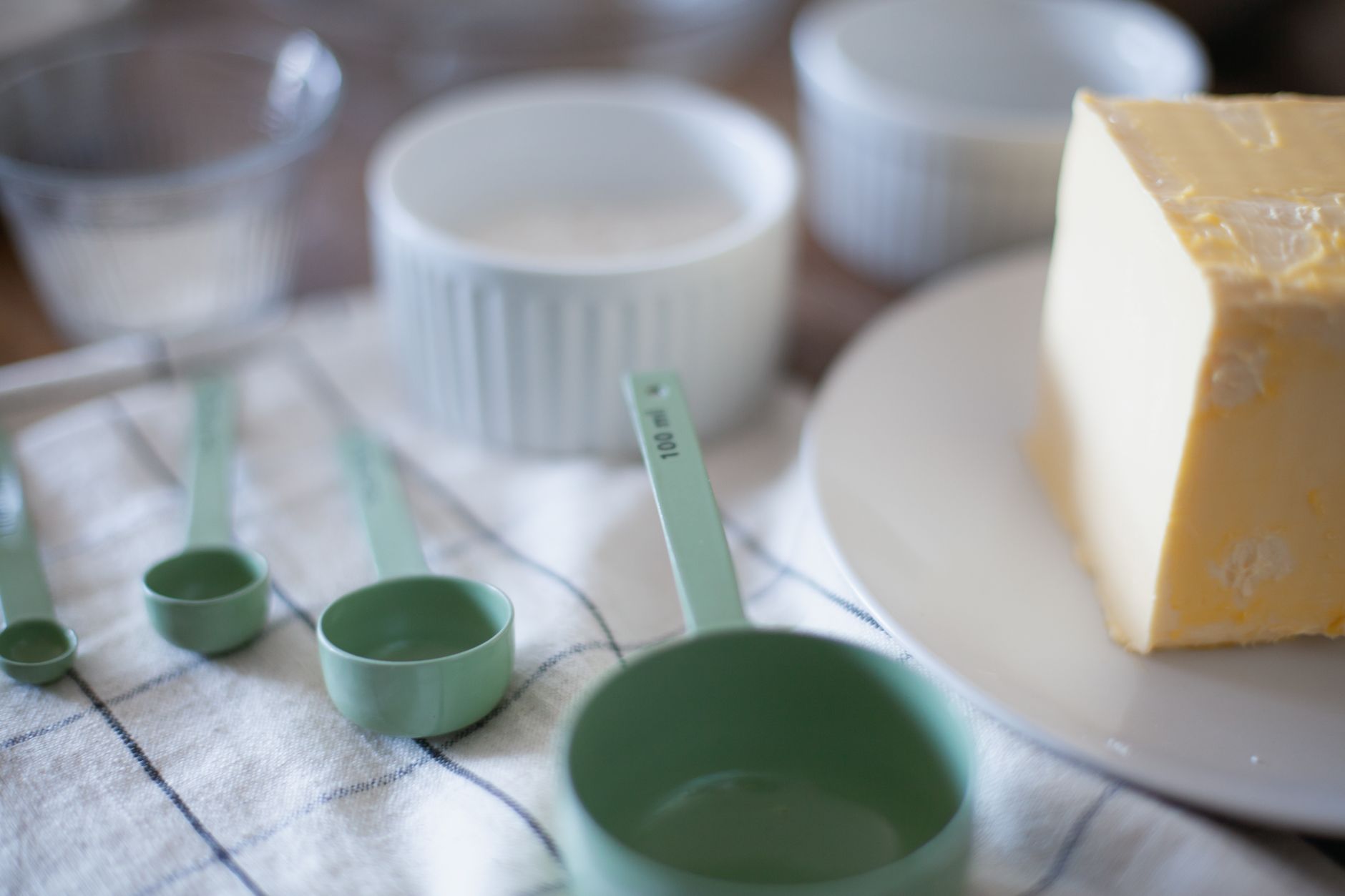
Butter is one of the most beloved ingredients in kitchens around the world, playing a crucial role in both cooking and baking. Understanding how to accurately measure butter is essential for achieving the right flavors and textures in your dishes. This article will provide the precise answer to how many tablespoons are in 3/4 cup of butter, along with useful tips on measuring, using, and substituting butter in your recipes.
Whether you’re baking a decadent cake, preparing savory dishes, or simply need butter for your morning toast, knowing the correct measurements can help you avoid common cooking mishaps. This guide will ensure you feel confident when reaching for the butter in your kitchen.
How Many Tbsp Butter In 3/4 Cup?
There are 12 tablespoons of butter in 3/4 cup. This measurement is critical for anyone who wants to ensure the correct balance of ingredients in recipes, especially when baking where accuracy is key.
Understanding Butter Measurements
Butter is commonly sold in sticks, which makes measuring it relatively straightforward. In the United States, a standard stick of butter weighs 4 ounces and equals 1/2 cup, or 8 tablespoons. Therefore, when measuring butter for recipes that call for 3/4 cup, you can easily determine that you need 1 and 1/2 sticks of butter or the equivalent of 12 tablespoons.
What If You Don’t Have Sticks?
If your butter is not packaged in sticks, you can still measure it accurately using a liquid measuring cup or a kitchen scale. If using a measuring cup, soften the butter (if necessary) for easier handling. You can mark measurements for cups for more precision or simply spoon it into the cup, packing it slightly for accuracy.
Why Accurate Butter Measurement Matters
In baking, precise measurements can significantly affect the final product’s flavor, texture, and rise. Butter provides moisture, flavor, and structure, making it a vital component in recipes ranging from cakes to cookies and pastries.
The Impact of Butter on Recipes
Here are some essential functions butter serves in your recipes:
- Flavor: Butter adds a rich flavor to baked goods. The type of butter you use (salted vs. unsalted) can also influence the final taste.
- Moisture: Butter helps keep baked goods moist and tender.
- Structure: In cookies and cakes, butter contributes to the structure and stability.
- Texture: The creaming process introduces air into the batter, leading to light and fluffy results.
Measuring Butter: Tips and Techniques
Whether you’re a novice or an experienced cook, here are handy tips for measuring butter accurately:
Using a Stick of Butter
- Check the wrapper for measurement markings. Most butter sticks come with tablespoon and cup markings.
- Use a sharp knife to cut the desired amount. For 3/4 cup, cut 1 and 1/2 sticks.
- Ensure the butter is at the indicated temperature in your recipe, whether it’s softened, cold, or melted.
Using a Liquid Measuring Cup
- Cut the butter into chunks and add it to the measuring cup.
- Press down on the butter to eliminate air pockets.
- Fill until you reach the 3/4 cup mark, checking at eye level.
Butter Substitutes and Their Measurements
If you find yourself out of butter or need a substitute for dietary reasons, there are several alternatives available that can mimic butter’s properties:
Common Substitutes
- Margarine: An equal substitution for butter in terms of volume.
- Coconut Oil: This can also be used in a 1:1 ratio. Solid coconut oil is best for baking.
- Applesauce: A healthier option, use 1/2 the amount of butter, so for 3/4 cup butter, use 1/2 cup applesauce. This works well in moist baked goods.
- Vegetable Oil: Use only 3/4 of the amount for baking. Thus for 3/4 cup of butter, use 1/2 cup vegetable oil.
- Shortening: Use a 1:1 ratio, though it may alter flavor and texture slightly.
Common Mistakes When Measuring Butter
Even experienced cooks can make mistakes when measuring butter. Here are some common pitfalls to avoid:
Estimating Instead of Measuring
For anything related to baking, estimating rather than accurately measuring can lead to flat cakes or cookies that won’t hold. Always measure precisely.
Neglecting Temperature
Recipes often specify whether butter should be softened, cold, or melted. Ignoring these details can impact the texture and success of your dish.
Not Accounting for Salt
If your recipe calls for unsalted butter, but you only have salted, consider adjusting the salt in your recipe accordingly to maintain balance.
How to Use Butter in Recipes
When it comes to using butter in your recipes, timing and technique can make all the difference. Here are a few methods and their effects:
Melting Butter
Melting butter is often used in recipes like brownies or certain sauces. It is essential not to overheat as this can affect emulsion and flavor. Alternatively, it can be melted gently in the microwave in short bursts, stirring frequently.
Creaming Butter
Creaming involves mixing softened butter with sugar to create a light, airy mixture. This process is especially important in cookies and cakes, as it incorporates air that will help leaven the batter.
Incorporating Butter in Dough
For pastry dough, cold butter is often used. This technique allows for flaky, tender crusts by creating layers. Fast mixing and minimal handling are key.
Storing Butter
Proper storage of butter can prolong its freshness. Here are guidelines for keeping butter at its best:
At Room Temperature
Softened butter can be kept out for a few days in a butter dish with a lid, but it should not sit longer than a week to avoid spoilage.
Refrigeration
For long-term storage, keep butter in its original packaging in the refrigerator, which can last for up to three months.
Freezing Butter
You can freeze butter for up to a year. Wrap it tightly in plastic wrap or aluminum foil, and place it in an airtight container. Frozen butter can be grated or sliced directly into recipes.
Serving Suggestions with Butter
Butter can enhance your meals far beyond baking. Here are some delightful ways to incorporate it into your cooking:
- Sautéing: Use butter to sauté vegetables or proteins, adding depth and richness.
- Spreading: Delight in spreading flavored butter (such as garlic or herb-infused) on warm bread or rolls.
- Sauces: Finish sauces with a pat of butter for a rich, glossy texture.
- Basting: Baste meats with melted butter during roasting for moist and flavorful results.
Understanding how much butter to use in your recipes is just the beginning of your cooking adventures. Butter not only enhances flavor and texture but also serves as an essential ingredient across various dishes. You can create delicious meals and baked goods with the right knowledge, precision, and techniques.
This comprehensive guide on how many tablespoons are in 3/4 cup of butter ensures that you are well-equipped to tackle any recipe that calls for it. Next time a recipe requires butter, you’ll know precisely how much to use, enhancing your culinary prowess.
For more delicious recipes that utilize butter, check out our cinnamon roll recipe or try our butter swim biscuits recipe for delightful treats!