
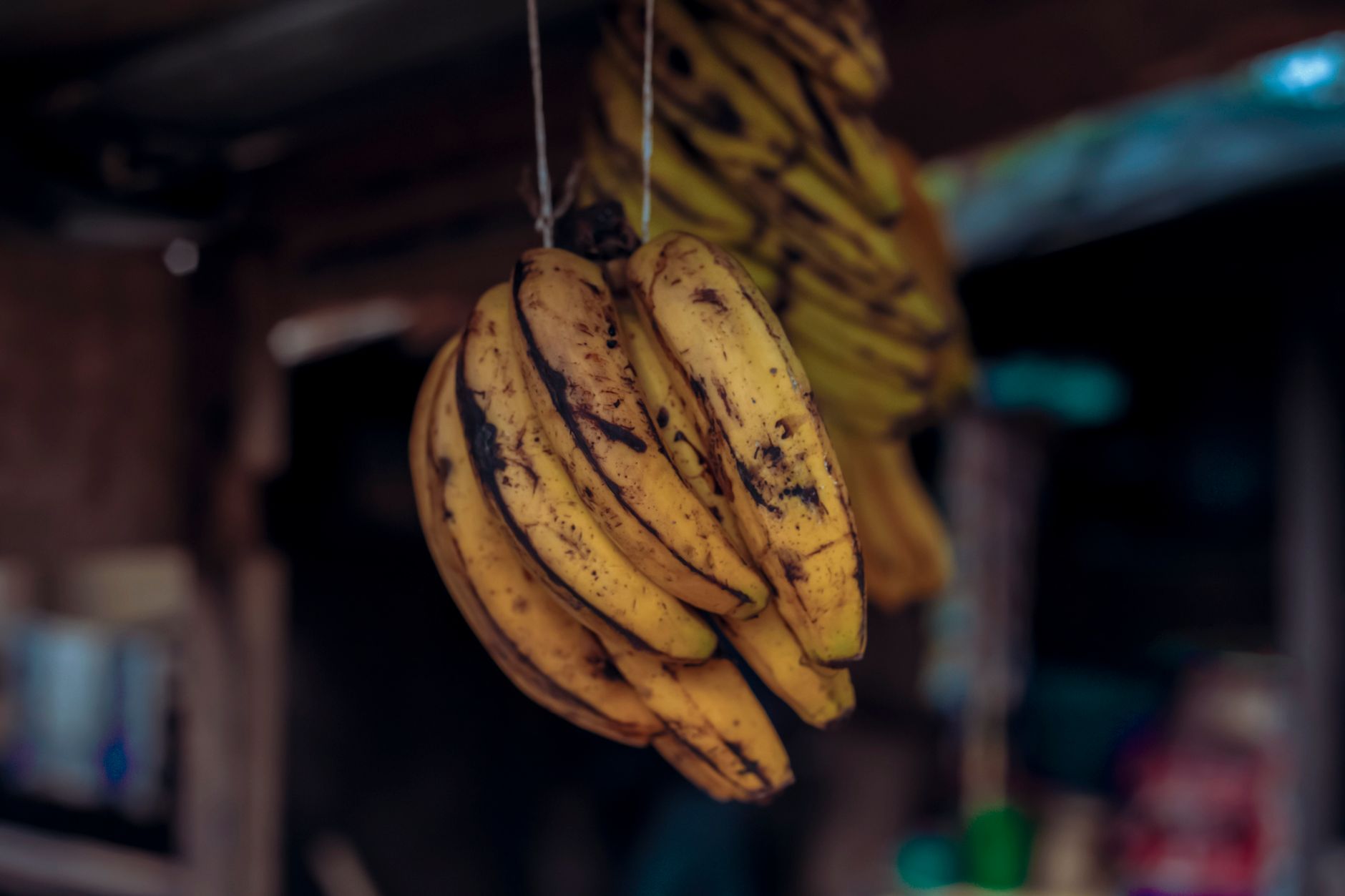
Many health enthusiasts and everyday eaters alike are interested in the carbohydrate content of bananas. Understanding this information can help individuals make informed dietary choices, especially those monitoring their carb intake for health reasons, such as diabetes or ketogenic diets.
Bananas are not only a popular snack but also rich in nutrients, making them a staple in many diets. In this article, we will explore how many carbs are in a banana, variations by serving size, and what these carbohydrates mean for your health.
How Many Carbs Is in a Banana?
A medium-sized banana contains approximately 27 grams of carbohydrates. This amount can vary slightly depending on the banana’s size. Bananas also have a variety of nutrients, including dietary fiber, vitamins, and minerals, contributing to their overall health benefits.
To give a clearer picture, here’s a breakdown of the carbohydrate content found in bananas by different serving sizes:
| Serving Size | Carbohydrates (grams) | Dietary Fiber (grams) | Net Carbohydrates (grams) |
|---|---|---|---|
| Small Banana (6-7 inches) | 23 g | 2.6 g | 20.4 g |
| Medium Banana (7-8 inches) | 27 g | 3.1 g | 23.9 g |
| Large Banana (8-9 inches) | 31 g | 3.5 g | 27.5 g |
| Extra Large Banana (over 9 inches) | 35 g | 4.1 g | 30.9 g |
Understanding Carbohydrates in Bananas
Carbohydrates in bananas primarily come from natural sugars, starch, and dietary fiber. Here’s a closer look at the three types:
1. Sugars
Bananas contain natural sugars, mainly glucose, fructose, and sucrose. These sugars provide a quick source of energy. For instance, athletes often consume bananas before or after a workout for a rapid energy boost.
2. Starch
As bananas ripen, the starch content converts into sugars. Unripe bananas have a higher starch content, which is beneficial as they convert gradually into sugar and slow down digestion.
3. Dietary Fiber
Fiber is crucial for digestive health. Bananas contribute a good amount of dietary fiber, which can help regulate blood sugar levels and promote fullness. The fiber content varies with ripeness, with unripe bananas containing resistant starch, beneficial for gut health.
Health Benefits of Bananas
Consuming bananas can offer several health benefits beyond their carbohydrate content:
- Rich in Nutrients: Bananas are a good source of essential vitamins and minerals, particularly potassium, which aids heart health and muscle function.
- Weight Management: The fiber in bananas helps you feel full longer, which may prevent overeating.
- Digestive Health: The fiber content can help regulate digestion and prevent constipation.
- Energy Source: Due to their carbohydrate content, bananas act as an excellent quick energy source, making them particularly popular among athletes.
Choosing the Right Banana
When selecting bananas, consider the following tips:
- Ripeness: Green bananas are less sweet and have a higher starch content, while yellow and brown bananas are sweeter due to increased sugar levels. Choose based on your personal preference and intended use.
- Appearance: Look for bananas that are firm and free of blemishes. Slight brown speckles indicate ripeness, while the deeper brown suggests overripeness.
Incorporating Bananas into Your Diet
Bananas can be enjoyed in various ways, making them versatile for meal planning. Here are a few practical ideas:
1. Breakfast Options
Start your day with banana-flavored oatmeal, smoothies, or add sliced bananas to yogurt. Each breakfast can be tailored to your preferred carb intake.
2. Snacks
Bananas are a perfect grab-and-go snack. Pair them with nut butter or mix them into trail mix for added flavor and nutrients.
3. Baking
Ripe bananas can act as a natural sweetener in baked goods like pancakes, muffins, or bread. Substituting part of the sugar for mashed banana can enhance flavor without introducing extra refined sugars.
4. Desserts
Use bananas in desserts such as banana bread, banana pudding, or frozen banana treats. Their natural sweetness can satisfy a sweet tooth without added sugar.
Bananas and Special Diets
If you’re following a specific dietary regimen, understanding how bananas fit into that plan is essential.
Keto Diet
For those on a ketogenic diet, bananas may not be the best choice due to their higher carb content. However, small portions can be considered if worked into the daily carb limit. Be sure to monitor your overall intake.
Diabetic Diet
People with diabetes can still enjoy bananas, but it’s important to manage portion sizes due to the natural sugars. Pairing bananas with a source of protein or healthy fats can help stabilize blood sugar levels.
Vegan and Vegetarian Diets
Bananas fit perfectly into plant-based diets and are often included in various recipes, snacks, and smoothies, providing essential nutrients without animal products.
Common Myths about Bananas
Several myths circulate about bananas and their carbohydrate content. Here are some clarifications:
1. Bananas are the highest-calorie fruit
While bananas have more calories than some fruits, they are still a low-calorie, nutrient-dense option compared to many processed snacks.
2. Bananas cause weight gain
Eating bananas in moderation won’t lead to weight gain. It’s the overall diet that matters. Bananas can be part of a balanced diet, contributing to weight management.
3. Overripe bananas are bad
Though overripe bananas may not be visually appealing, they are still safe to eat and contain concentrated sugars, providing a higher energy boost.
Common Mistakes When Eating Bananas
Here are some frequent mistakes to avoid when incorporating bananas into your diet:
- Ignoring serving sizes: Consuming more than one medium banana can quickly lead to high carbohydrate intake without planning.
- Pairing with high-sugar foods: Balancing bananas with protein or fats is essential to prevent sugar spikes, especially for those with blood sugar concerns.
- Throwing out overripe bananas: Consider using overripe bananas in smoothies or baking instead of discarding them.
Storage Tips for Bananas
Proper storage can help extend the freshness of bananas:
- Room Temperature: Keep bananas at room temperature away from direct sunlight. They will ripen quicker if stacked together.
- Refrigeration: Once ripe, bananas can be placed in the refrigerator. The peel may brown, but the fruit inside remains good and can last longer.
How to Freeze Bananas
If you have excess bananas that are close to overripeness, consider freezing them. Here’s how:
- Peel the bananas and cut them into slices, or leave them whole.
- Place them in a freezer-safe bag and remove as much air as possible.
- Label the bag with the date and place it in the freezer.
Frozen bananas can be used in smoothies, baking, or simply thawed for a soft snack at a later date.
Summary
Bananas are a nutritious, versatile fruit rich in carbohydrates, particularly beneficial for energy. With their moderate carbohydrate content varying by size, they can fit into many dietary regimens. You can enjoy them in various ways, from breakfast to desserts, while being mindful of portion sizes, especially in restrictive diets.
Next time you reach for a banana, consider the benefits it offers and how you can incorporate this delicious fruit into your meals.
For more insights, you can explore how much fiber is in bananas or learn about the origins of bananas.