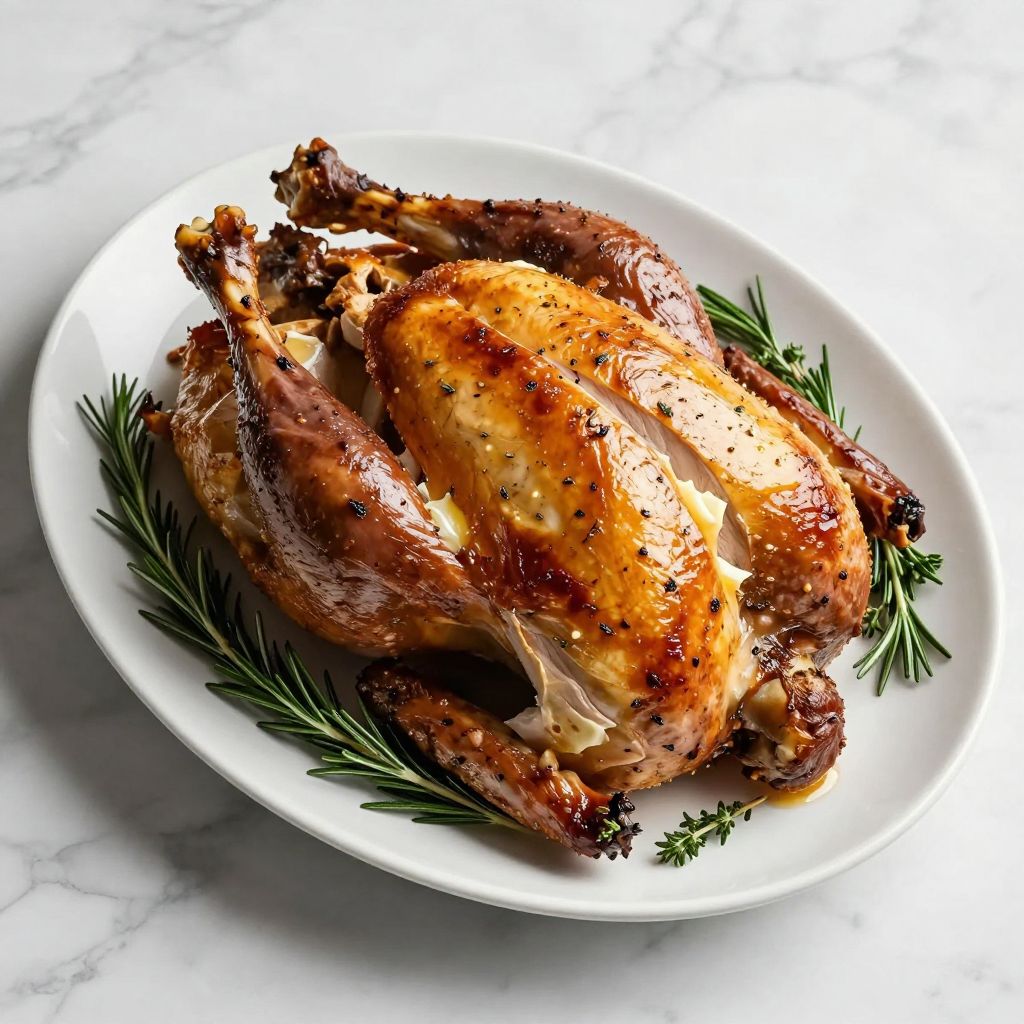
Turkey injection recipe transforms ordinary roasted turkey into a juicy, flavor-packed centerpiece that will have your guests asking for seconds. This simple technique uses a savory blend of butter, herbs, and spices injected directly into the meat to ensure every bite stays moist and delicious, making it perfect for Thanksgiving, Christmas, or any special gathering.
Forget dry turkey forever. This injection method guarantees restaurant-quality results at home.
Why You’ll Love This Recipe
This turkey injection recipe solves the biggest problem home cooks face when roasting a whole bird. The flavorful liquid penetrates deep into the meat where surface seasonings cannot reach.
- Delivers moisture directly to the driest parts of the turkey, especially the breast meat
- Takes only 10 minutes to prepare and inject, but the flavor impact is massive
- Works with any size turkey and any cooking method, from oven roasting to smoking
- Creates a savory, herb-infused flavor profile that complements traditional side dishes perfectly
- Provides consistent results every time without complicated brining or overnight prep
My Experience Making This Recipe
I started using turkey injections after years of battling dry breast meat, and honestly, I should have done it sooner. The first time I injected a turkey, I was skeptical that such a simple technique could make a real difference, but the results spoke for themselves.
The turkey emerged from the oven with meat so tender and juicy that people stopped mid-bite to comment on it. The injection liquid had created pockets of buttery, garlicky goodness throughout the bird, and even the white meat stayed moist hours after cooking.
Now I refuse to roast a turkey without injecting it first. The process has become as routine as seasoning the outside, and the compliments never get old.
Recipe Overview
- Recipe Name: Turkey Injection Recipe
- Servings: Enough injection for 1 (12 to 14 pound) turkey
- Prep Time: 10 minutes
- Cook Time: Depends on turkey roasting time
- Total Time: 10 minutes (plus turkey roasting)
- Course: Main Course
- Cuisine: American
- Calories per Serving: 45 calories per ounce of injected turkey
Equipment You Will Need
- Meat injector with a large-gauge needle (at least 2 ounces capacity)
- Medium saucepan
- Fine-mesh strainer or cheesecloth
- Measuring cups and spoons
- Small bowl for strained injection liquid
- Whisk
- Roasting pan for turkey
Ingredients for Turkey Injection Recipe
- 1 cup unsalted chicken broth, low sodium preferred
- 1/2 cup unsalted butter, cut into pieces
- 2 tablespoons lemon juice, freshly squeezed
- 2 tablespoons Worcestershire sauce
- 1 tablespoon onion powder
- 1 tablespoon garlic powder
- 2 teaspoons kosher salt
- 1 teaspoon black pepper, freshly ground
- 1 teaspoon dried thyme
- 1 teaspoon dried sage
- 1/2 teaspoon cayenne pepper, optional for heat
Ingredient Notes and Substitutions
- Unsalted chicken broth: Provides a savory base that carries the other flavors deep into the meat without adding too much sodium. You can substitute turkey broth or vegetable broth for similar results.
- Unsalted butter: Adds richness and helps keep the meat moist while contributing a luxurious mouthfeel. Substitute with melted ghee or olive oil if avoiding dairy, though the flavor will be slightly different.
- Lemon juice: Brightens the savory flavors and helps tenderize the meat with gentle acidity. Substitute with apple cider vinegar or white wine vinegar in the same amount.
- Worcestershire sauce: Contributes umami depth and a subtle tang that complements poultry beautifully. Replace with soy sauce or coconut aminos, though the flavor profile shifts slightly.
- Garlic powder and onion powder: These deliver concentrated flavor without chunks that could clog the injector needle. Fresh garlic and onion must be strained very well if used, or stick with powdered versions.
- Dried herbs: Thyme and sage are classic poultry seasonings that infuse the meat with traditional holiday flavors. Substitute with Italian seasoning or poultry seasoning blends, adjusting to taste.
How to Make Turkey Injection Recipe
Step 1: Combine the Ingredients
Add the chicken broth, butter pieces, lemon juice, Worcestershire sauce, onion powder, garlic powder, salt, black pepper, thyme, sage, and cayenne pepper to a medium saucepan. Place the pan over medium heat and whisk the ingredients together as the butter begins to melt.
Whisking ensures the spices distribute evenly and prevents the butter from separating. The goal is a well-blended liquid that will flow smoothly through your injector.
Step 2: Heat and Dissolve
Continue heating the mixture, whisking occasionally, until the butter completely melts and the salt dissolves into the liquid. Bring the mixture just to a simmer, then immediately remove it from the heat.
Simmering activates the dried herbs and helps their flavors bloom, creating a more complex injection liquid. Avoid boiling vigorously, as this can cause the butter to separate.
Step 3: Strain the Injection Liquid
Pour the hot injection mixture through a fine-mesh strainer or several layers of cheesecloth into a clean bowl. Press gently on any solids to extract all the flavorful liquid, then discard the strained material.
Straining removes any herb particles or undissolved spices that could clog your injector needle. A smooth liquid injects much more easily and distributes evenly throughout the turkey.
Step 4: Cool the Mixture
Let the strained injection liquid cool until it reaches room temperature or is just slightly warm to the touch. Stir it occasionally as it cools to prevent the butter from solidifying on top.
Injecting liquid that is too hot can partially cook the raw turkey meat on contact, creating an undesirable texture. Room temperature liquid spreads through the meat fibers more naturally.
Step 5: Prepare Your Turkey
Remove the turkey from its packaging and take out the giblets and neck from the cavity. Pat the entire bird dry with paper towels, inside and out, then place it breast-side up on a clean work surface or in your roasting pan.
A dry surface helps you see where you are injecting and prevents the liquid from pooling on the skin. Removing excess moisture also promotes better browning during roasting.
Step 6: Fill the Injector
Draw the cooled injection liquid into your meat injector by submerging the needle tip into the liquid and pulling back on the plunger. Fill the injector barrel completely, then hold it upright and press the plunger slightly to remove any air bubbles.
Air bubbles take up space that could be used for flavorful liquid. Removing them ensures you inject the maximum amount of marinade with each insertion.
Step 7: Inject the Turkey Breast
Insert the needle deep into the thickest part of one turkey breast at a slight angle, pushing it in about 2 to 3 inches. Slowly depress the plunger while gradually withdrawing the needle, depositing the liquid in a line through the meat.
Injecting as you pull out prevents the liquid from pooling in one spot and ensures even distribution. Repeat this process in 4 to 6 different locations across each breast, using about half your total injection liquid on the breast meat since it dries out most easily.
Step 8: Inject the Thighs and Drumsticks
Use the same technique to inject the thighs and drumsticks, inserting the needle at multiple angles to cover as much meat as possible. You should notice the meat swelling slightly as you inject, which indicates the liquid is spreading properly.
Dark meat has more fat and stays moister naturally, so it needs less injection liquid than the breast. Distribute the remaining injection evenly between both legs.
Step 9: Rest Before Cooking
After injecting the entire turkey, let it rest in the refrigerator uncovered for at least 1 hour or up to 24 hours before cooking. This resting period allows the injection liquid to distribute further through the meat and lets the skin dry out for crispier results.
The salt in the injection also has time to penetrate deeper into the muscle fibers, seasoning the meat from within. An uncovered rest in the fridge creates a drier skin surface that browns and crisps beautifully.
Step 10: Cook Your Turkey
Roast, smoke, or cook your injected turkey according to your preferred method and recipe. The injection will keep the meat moist throughout the cooking process, giving you more flexibility with cooking times and temperatures.
Monitor the internal temperature rather than relying solely on time, aiming for 165°F in the thickest part of the breast. The injection liquid may cause the meat to reach a safe temperature slightly faster than an uninjected bird.
Pro Tip: Inject your turkey the night before cooking and leave it uncovered in the refrigerator. This gives the flavors maximum time to penetrate while drying out the skin for the crispiest, most golden results.
Tips for the Best Turkey Injection Recipe
- Warm your injection liquid slightly before using if the butter has solidified during cooling, as cold butter will clog the needle. Just a few seconds in the microwave brings it back to injectable consistency.
- Inject slowly and steadily rather than forcing the liquid in quickly, which can cause it to leak back out through the injection holes. Patience creates better distribution.
- Wipe away any injection liquid that leaks onto the turkey skin immediately, as it can prevent browning in those spots. A quick pat with paper towels solves this problem.
- Mark your injection sites mentally or with a light scoring so you inject evenly across the bird without missing sections. Systematic coverage beats random poking.
- Double the injection recipe for turkeys larger than 16 pounds to ensure adequate coverage. Bigger birds need proportionally more liquid to stay moist.
- Save any leftover injection liquid to baste the turkey during the last hour of roasting for extra flavor. The butter and herbs create a beautiful glaze.
Common Mistakes to Avoid
- Injecting liquid that is too hot can partially cook the raw meat and create a strange texture, so always cool the mixture first. Room temperature is ideal.
- Skipping the straining step clogs your injector needle and makes the whole process frustrating and ineffective. Always strain out solids.
- Injecting too quickly causes the liquid to leak back out through the injection holes, wasting your marinade. Slow and steady wins this race.
- Forgetting to remove air bubbles from the injector means you inject less liquid than you think. Tap the barrel and expel air before each use.
- Over-salting the injection liquid combined with a brined turkey creates inedibly salty meat. Choose one method or reduce salt significantly if using both.
Serving Suggestions
This beautifully injected turkey deserves accompaniments that complement its rich, savory flavor. Choose sides that balance the butter and herbs without competing for attention.
- Classic herb stuffing or cornbread dressing soaks up the flavorful juices that collect in the roasting pan
- Creamy mashed potatoes provide a mild, comforting base that lets the turkey shine
- Roasted Brussels sprouts or green beans add a fresh, slightly bitter contrast to the rich meat
- Cranberry sauce offers bright acidity that cuts through the buttery injection flavors perfectly
- Homemade gravy made from the pan drippings doubles down on the savory, herb-infused taste
Variations to Try
- Cajun-style injection replaces the herbs with Creole seasoning, paprika, and hot sauce for a spicy Southern twist. The heat penetrates every bite for maximum impact.
- Maple bourbon injection swaps half the broth for bourbon and adds 2 tablespoons of maple syrup for a sweet, smoky flavor profile. This works especially well for smoked turkeys.
- Garlic herb butter injection doubles the garlic powder and adds fresh rosemary oil for an intensely aromatic bird. Garlic lovers will appreciate the bold flavor.
- Asian-inspired injection uses soy sauce, sesame oil, ginger, and a touch of honey instead of the traditional herbs. This creates an unexpected fusion that pairs with nontraditional sides.
- Citrus herb injection adds orange juice and zest along with extra thyme for a bright, fresh taste. The citrus notes lighten the richness of the butter beautifully.
Dietary Adaptations
- Gluten-free: Verify that your Worcestershire sauce is gluten-free (some brands contain malt vinegar), and use certified gluten-free chicken broth. Most other ingredients are naturally gluten-free.
- Dairy-free: Replace the butter with olive oil or melted coconut oil for a dairy-free version that still adds richness. The flavor changes slightly but remains delicious.
- Low-sodium: Use low-sodium or no-salt-added chicken broth and reduce or eliminate the added salt. The other seasonings still provide plenty of flavor.
- Keto-friendly: This injection is already low in carbs, but you can verify all ingredients are keto-compliant by checking the Worcestershire sauce for added sugars. Most brands work fine.
Storage and Reheating
Refrigerator
Store leftover injected turkey in airtight containers or wrapped tightly in aluminum foil for up to 4 days in the refrigerator. Separate the white and dark meat for easier portioning and reheating.
- Keep the turkey moist by storing it with a few spoonfuls of leftover pan juices or gravy
- Slice the turkey before storing if you plan to use it for sandwiches or quick meals
- Label containers with the storage date to track freshness
Freezer
Freeze injected turkey meat for up to 3 months in freezer-safe bags or containers. Remove as much air as possible to prevent freezer burn and maintain quality.
- Freeze in portion sizes that match your typical use to avoid repeated thawing
- Add a small amount of broth or gravy to the container before freezing to preserve moisture
- Thaw frozen turkey overnight in the refrigerator before reheating
Reheating
Reheat turkey gently to preserve the moisture from the injection. Low and slow prevents the meat from drying out during reheating.
- Oven method: Place turkey slices in a baking dish with a few tablespoons of broth, cover with foil, and heat at 325°F for 15 to 20 minutes
- Microwave method: Arrange slices on a microwave-safe plate, cover with a damp paper towel, and heat in 30-second intervals until warm
- Stovetop method: Warm sliced turkey in a covered skillet with a splash of broth over low heat, stirring gently
Nutrition Information
| Nutrient | Amount |
|---|---|
| Calories | 45 |
| Total Fat | 3g |
| Saturated Fat | 2g |
| Carbohydrates | 1g |
| Fiber | 0g |
| Sugar | 0g |
| Protein | 0g |
| Sodium | 185mg |
| Cholesterol | 8mg |
Nutrition information represents the injection liquid only per serving and does not include the turkey meat itself. Actual nutritional values will vary based on turkey size and how much injection liquid the meat absorbs.
Frequently Asked Questions
Can I inject a turkey that has already been brined?
You can, but reduce the salt in the injection recipe by half or eliminate it completely to avoid overly salty meat. Brining already adds significant sodium and moisture, so the injection should focus on adding flavor rather than salt.
How far in advance can I inject my turkey?
Inject your turkey anywhere from 2 hours to 24 hours before cooking for best results. Longer resting times allow deeper flavor penetration, but even a short 2-hour rest makes a noticeable difference.
Why is my injection liquid leaking out of the turkey?
Injecting too quickly or using too much force causes the liquid to leak back out through the injection holes. Slow down your injection speed and withdraw the needle gradually as you depress the plunger for better liquid retention.
Do I still need to season the outside of the turkey if I inject it?
Yes, the injection flavors the inside of the meat, but you still need to season the skin with salt, pepper, and herbs for a flavorful, well-browned exterior.
Turkey Injection Recipe
Ingredients
Equipment
Method
- Add the chicken broth, butter pieces, lemon juice, Worcestershire sauce, onion powder, garlic powder, salt, black pepper, thyme, sage, and cayenne pepper to a medium saucepan. Place over medium heat and whisk as the butter melts to ensure even distribution.
- Continue heating the mixture, whisking occasionally, until the butter completely melts and the salt dissolves. Bring just to a simmer, then immediately remove from heat.
- Pour the hot injection mixture through a fine-mesh strainer or several layers of cheesecloth into a clean bowl. Press gently on solids to extract all liquid, then discard strained material.
- Let the strained injection liquid cool until it reaches room temperature or is just slightly warm to the touch. Stir occasionally as it cools to prevent butter from solidifying on top.
- Remove turkey from packaging, take out giblets and neck from cavity. Pat entire bird dry with paper towels inside and out, then place breast-side up on a clean work surface or in roasting pan.
- Draw the cooled injection liquid into your meat injector by submerging the needle tip and pulling back on the plunger. Fill completely, hold upright, and press plunger slightly to remove air bubbles.
- Insert needle deep into thickest part of one turkey breast at a slight angle, pushing in about 2 to 3 inches. Slowly depress plunger while gradually withdrawing needle, depositing liquid in a line through the meat. Repeat in 4 to 6 different locations across each breast, using about half the total injection liquid on breast meat.
- Use the same technique to inject thighs and drumsticks, inserting needle at multiple angles to cover as much meat as possible. Distribute remaining injection evenly between both legs.
- After injecting entire turkey, let rest in refrigerator uncovered for at least 1 hour or up to 24 hours before cooking to allow liquid to distribute and skin to dry.
- Roast, smoke, or cook injected turkey according to your preferred method. Monitor internal temperature, aiming for 165°F in thickest part of breast.