
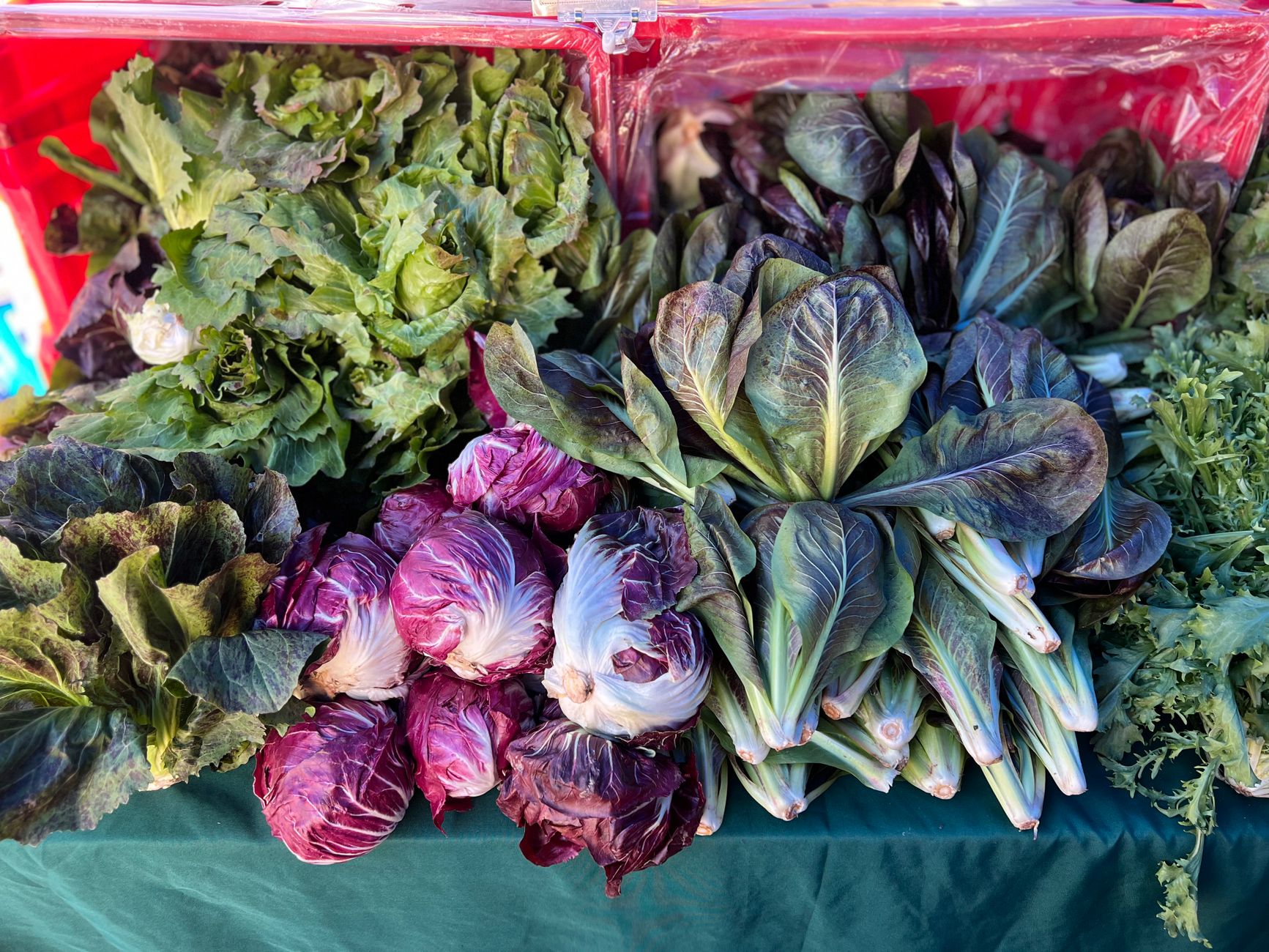
As we navigate the complexities of modern eating, it’s essential to understand what to prioritize for our health and satisfaction at the table. Marion Nestle, a prominent food scholar and advocate for healthy food choices, emphasizes the importance of nutritious and sustainable eating. This article will explore what to eat right now, drawing from Nestle’s principles, focusing on food facts, kitchen uses, and practical advice.
From understanding ingredient choices to planning meals, this guide will help you make informed decisions that suit your lifestyle and dietary needs. As we move forward, remember that making conscious food choices is both a practical and empowering way to care for ourselves and the environment.
What To Eat Now Marion Nestle?
Marion Nestle advocates for a well-rounded diet that prioritizes whole foods, seasonal produce, and mindful consumption. A good starting point is to fill your plate with vegetables, fruits, whole grains, lean proteins, and healthy fats while minimizing processed foods and added sugars.
The Importance of Whole Foods
Whole foods include unprocessed or minimally processed ingredients that are free from artificial additives, preservatives, and sugars. These foods are often nutrient-dense, providing essential vitamins and minerals necessary for good health.
Types of Whole Foods to Include
- Vegetables: Leafy greens, root vegetables, cruciferous vegetables.
- Fruits: Berries, citrus fruits, apples, bananas.
- Whole Grains: Quinoa, brown rice, oats, bulgur.
- Lean Proteins: Chicken, turkey, fish, legumes, tofu.
- Healthy Fats: Avocados, nuts, seeds, olive oil.
Guide to Seasonal Eating
Eating in season not only enhances flavor but also ensures you’re consuming food at its peak nutritional quality. Understanding what fruits and vegetables are in season can help you make better choices and support local agriculture.
Winter (December to February)
- Fruits: Apples, pears, citrus fruits.
- Vegetables: Root vegetables (carrots, potatoes), winter squash, cabbage.
Spring (March to May)
- Fruits: Strawberries, rhubarb, cherries.
- Vegetables: Asparagus, spinach, peas, radishes.
Summer (June to August)
- Fruits: Berries, melons, peaches, tomatoes.
- Vegetables: Zucchini, bell peppers, corn, eggplant.
Fall (September to November)
- Fruits: Apples, pumpkins, grapes.
- Vegetables: Brussels sprouts, sweet potatoes, squash.
Building Balanced Meals
Incorporating a variety of foods into your meals is essential for maintaining nutritional balance. A balanced meal typically consists of a protein source, healthy fats, carbohydrates, and plenty of vegetables.
Meal Composition
- Protein: Aim for a palm-sized portion.
- Healthy Fats: Include a thumb-sized portion of fats such as nuts, seeds, or oils.
- Carbohydrates: Focus on whole grains, approximately a cupped hand size.
- Vegetables: Fill half your plate with a variety of colorful vegetables.
Kitchen Uses for Whole Foods
Utilizing whole foods in your cooking can enhance the flavors, textures, and nutritional profiles of your meals. Here are some suggestions for making the most out of your ingredients.
Culinary Techniques for Whole Foods
- Steaming: Retains nutrients and flavor, ideal for vegetables like broccoli and asparagus.
- Roasting: Deepens the flavor of vegetables and proteins, perfect for root vegetables and chicken.
- Stir-frying: Quick cooking method that preserves the color and crunch of vegetables.
- Blending: Great for smoothies or soups, making it easy to incorporate more fruits and vegetables.
Understanding Food Labels
Being aware of what your food contains is critical for making informed choices. Familiarizing yourself with food labels can guide you in selecting healthier options.
Key Elements to Look For
- Ingredients List: Look for whole foods at the top of the list.
- Nutritional Information: Check for sugars, sodium, and unhealthy fats.
- Allergen Information: Important if you have dietary restrictions.
Practical Ingredient Substitutions
Sometimes, you may not have a specific ingredient on hand. Knowing how to substitute can help maintain the integrity of your dish while adapting to what you have available.
Common Substitutions
| Ingredient | Substitution |
|---|---|
| All-purpose flour | Whole wheat flour (use 1:1 but may need additional liquid) |
| Sugar | Honey or maple syrup (use 3/4 cup honey for every 1 cup sugar) |
| Butter | Coconut oil or applesauce (1:1, the texture will vary) |
| Eggs | Flaxseed meal (1 tbsp flaxseed + 3 tbsp water = 1 egg) |
Meal Planning for Success
Effective meal planning can save time, ensure balanced eating, and keep your grocery budget in check. Here are some tips to make the process smoother.
Steps to Meal Planning
- Choose a Day for Planning: Dedicate a day each week to plan your meals.
- Select Recipes: Pick recipes that use similar ingredients to minimize waste.
- Make a Shopping List: Write down everything you’ll need, checking your pantry and fridge first.
- Prep Ingredients: Chop vegetables and marinate proteins ahead of time for convenience.
- Stay Flexible: Be open to swapping meals or ingredients as needed.
Shopping for Healthy Ingredients
When shopping for healthy ingredients, consider not only what’s best for your health but also what’s best for the planet. Here’s how to make smart shopping decisions.
Choosing Quality Foods
- Buy Local: Support local farmers and reduce your carbon footprint.
- Organic Option: Opt for organic when possible, especially for fruits and vegetables on the Dirty Dozen list.
- Seasonal Produce: Look for what’s in season to enhance flavor and freshness.
Storing Ingredients Correctly
Proper storage of food can prevent spoilage, retain freshness, and save you money. Here are some tips on how to store commonly used ingredients.
Storage Guidelines
- Vegetables: Keep leafy greens in a breathable bag in the crisper drawer.
- Fruits: Store ripe fruits at room temperature and refrigerate as needed.
- Grains: Store in airtight containers in a cool, dark place to extend shelf life.
- Proteins: Freeze any excess meat or fish if not used within a few days.
Common Mistakes in Cooking with Whole Foods
While cooking with whole foods is rewarding, there are common pitfalls you might encounter. Understanding these mistakes can help you be more successful in the kitchen.
Common Pitfalls
- Overcooking Vegetables: Aim to cook until vibrant and tender yet still crisp.
- Neglecting Seasoning: Whole foods need seasoning to bring out their natural flavors—don’t be afraid to experiment with herbs and spices.
- Using Low-Quality Ingredients: Even with the best recipes, using poor-quality ingredients will yield subpar results.
Practical Serving Suggestions
Presentation matters, and serving your meals can make a significant difference in enjoyment. Consider these ideas when plating your dishes.
Presentation Tips
- Color Contrast: Use a variety of colored ingredients to create visual interest.
- Garnish Thoughtfully: Fresh herbs or a sprinkle of nuts can elevate your dish.
- Use Interesting Plates: Serving in bowls or on unique plates can change the dining experience.
Make-Ahead Options
Busy schedules can make healthy eating challenging, but with some planning, you can have meals ready to go. Make-ahead options are a great solution.
Make-Ahead Meal Ideas
- Overnight Oats: Prepare oats with toppings like nuts and fruits for a quick breakfast.
- Mason Jar Salads: Layer ingredients properly to keep them fresh in the fridge until lunchtime.
- Soups and Stews: Cook a big batch and freeze portions for easy dinners.
Reheating and Storage Tips
When it comes to leftovers, proper reheating and storage can enhance food safety and flavor. Here’s how to handle leftovers efficiently.
Safe Reheating Practices
- Microwave: Cover your dish to retain moisture, heat evenly, and stir midway.
- Oven: Preheat and cover with foil to retain moisture, reheating until food reaches 165°F.
- Stovetop: Heat gradually on low, adding water or broth as needed for moisture.
Conclusion
Understanding what to eat now, as influenced by Marion Nestle’s principles, empowers you to make healthier dietary choices that enrich your life. Focus on whole foods, seasonal produce, and balanced meals that satisfy your nutritional needs.
To continue your culinary adventure, explore how to make ingredient substitutions, and learn about the benefits of chia seeds for an even healthier diet. You’ll find that taking these steps not only enhances your meals but also supports a more sustainable lifestyle.