
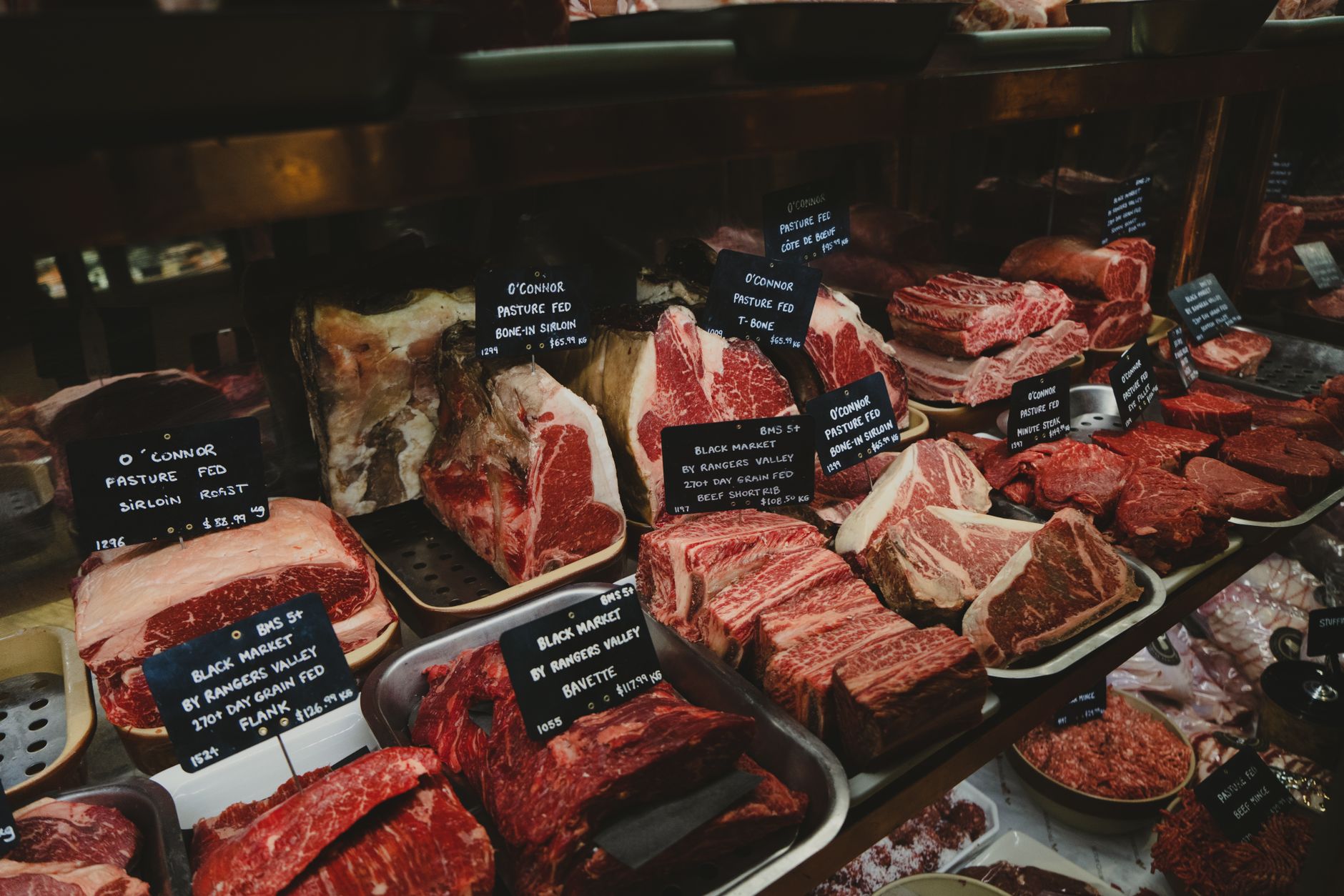
Grass-fed beef is gaining popularity among health-conscious consumers due to its unique flavor profile and potential health benefits. This type of beef comes from cattle that have been raised primarily on grass and forage, rather than grain-based feeds. Understanding what grass-fed beef is, its taste, and its culinary applications can enhance your meal planning and cooking experience.
In this article, we will explore the characteristics of grass-fed beef, how it differs from grain-fed beef, its various culinary uses, and tips for selecting and preparing this flavorful meat. You will also learn about its nutritional profile and how it can fit into a balanced diet.
What Is Grass Fed Beef?
Grass-fed beef refers to meat sourced from cattle that have spent the majority of their lives grazing on grass and forage in pastures. This method of raising cattle contrasts with conventional farming practices where animals are often fed grain-based diets for rapid weight gain. Grass-fed beef typically exhibits a different texture, flavor, and nutritional content compared to grain-fed beef.
The Growing Popularity of Grass Fed Beef
The trend towards grass-fed beef has been driven by a growing awareness of healthy eating and sustainable farming practices. Many consumers appreciate the ethical considerations related to animal welfare and the environmental benefits of grazing systems. Additionally, the belief that grass-fed beef is healthier fuels interest, thanks to its omega-3 fatty acids and higher levels of certain vitamins.
Flavor and Texture of Grass Fed Beef
Grass-fed beef has a distinct flavor that is often described as more robust and beefy compared to its grain-fed counterparts. The diet of grass and other forage affects the meat’s composition, leading to variations in taste, which can range from mildly sweet to more herbaceous, influenced by the specific grasses and plants consumed. This beef tends to have a firmer texture and can be leaner, which impacts how it cooks.
Nutritional Profile of Grass Fed Beef
Grass-fed beef is known for its superior nutritional benefits over grain-fed beef. Here are some of the key nutritional aspects:
- Omega-3 Fatty Acids: Grass-fed meat generally contains higher levels of omega-3 fatty acids, which are essential for heart health.
- Conjugated Linoleic Acid (CLA): This beneficial fatty acid is found in greater concentrations in grass-fed beef, potentially offering health benefits such as improved metabolism and body composition.
- Vitamins and Minerals: Grass-fed beef is rich in vitamins E, A, and K2, along with important minerals like zinc and iron.
How to Choose Quality Grass Fed Beef
Selecting high-quality grass-fed beef involves knowing what to look for when shopping. Here are some tips:
- Labels and Certifications: Look for labels that specify “100% grass-fed” or “grass-finished” for assurance. Certifications from organizations such as American Grassfed Association can further validate quality.
- Color and Marbling: Quality grass-fed beef tends to have a bright red color with more visible marbling than lower-quality meat. The fat should be yellowish, indicating a diet high in carotenoids.
- Buying Locally: Consider purchasing from local farms or markets where you can inquire about the cattle’s feeding and living conditions.
Cooking Grass Fed Beef: Techniques and Tips
Cooking grass-fed beef may require different techniques compared to grain-fed beef, mainly due to its lower fat content. Here are some strategies for preparing and cooking grass-fed beef:
Understanding the Cooking Process
Because grass-fed beef is leaner, it tends to cook faster and can become tough if overcooked. The key is to use lower heat and cook it for a shorter duration. A meat thermometer can be helpful in preventing overcooking.
Recommended Cooking Methods
- Grilling: This method helps to enhance the beef’s natural flavors. Use a medium heat and sear for shorter time, aiming for a medium-rare internal temperature of approximately 130°F to 135°F.
- Searing: For smaller cuts like steaks, searing in a cast-iron skillet allows you to develop a nice crust. Finish in the oven if the cut is thick.
- Braising: For tougher cuts, consider slow-cooking or braising to break down connective tissues while keeping the meat moist.
Common Mistakes to Avoid
- Overcooking: As mentioned, be careful not to overcook grass-fed beef, as it can dry out quickly.
- Ignoring Resting Time: After cooking, let the meat rest for at least 5-10 minutes, which allows juices to redistribute.
- Skipping Seasoning: Enhance the flavor with appropriate seasoning—salt, pepper, and even a marinade can make a difference.
Culinary Uses of Grass Fed Beef
Grass-fed beef can be used in a variety of culinary applications, making it a versatile option for many dishes. Here are some popular preparations:
1. Steaks
Grass-fed steaks, such as ribeye, sirloin, or filet mignon, are prized for their intense flavor. They are best cooked simply with seasoning to showcase their natural taste.
2. Ground Beef
Ground grass-fed beef can be used in burgers, meatballs, and taco filling. The unique flavor elevates traditional recipes, and it’s recommended to incorporate some fat for moisture when cooking.
3. Stews and Braises
Use tougher cuts, such as chuck or brisket, in hearty stews or braised dishes that can handle long cooking times. This method maximizes flavor and tenderness while allowing the meat to absorb seasoning and spices.
4. Roasts
A whole grass-fed beef roast can be a centerpiece for family meals or special occasions. Cook it low and slow for tender results.
5. Soups
Add grass-fed beef to hearty soups for redeveloped depth in flavor, using a stock pot or slow cooker to simmer flavors and enhance aromas through well-combined ingredients.
Storage and Reheating Tips for Grass Fed Beef
Proper storage and reheating of grass-fed beef are essential to maintaining its flavor and quality:
Storage
- Store raw grass-fed beef in the refrigerator at 32°F to 36°F, ideally in its original packaging until ready to use.
- For longer preservation, freeze ground beef and whole cuts wrapped tightly to prevent freezer burn, where it can last for up to six months.
Reheating
When reheating cooked grass-fed beef, do so gently to prevent it from becoming tough. Here are key pointers:
- Use the microwave on a low power setting, covering with a damp paper towel to retain moisture.
- Alternatively, reheat in a skillet over low heat with a splash of broth or water to help retain juiciness.
Common Questions About Grass Fed Beef
Is Grass Fed Beef Healthier Than Grain-Fed Beef?
Grass-fed beef generally contains higher levels of beneficial nutrients such as omega-3 fatty acids, CLA, and vitamins compared to grain-fed beef. While it is often considered a healthier option, it is essential to maintain a balanced diet overall.
Are There Ethical Considerations with Grass Fed Beef?
Many consumers choose grass-fed beef for ethical reasons, including animal welfare and environmental sustainability. Grass-fed cattle are typically raised on pasture, which promotes a more humane lifestyle compared to confined feeding operations.
Conclusion
Grass-fed beef is not just a staple for gourmet cooking; it provides a range of benefits, from flavor to nutritional value. Its unique characteristics make it suitable for various culinary applications, enhancing meals with its distinct taste and profile.
Be sure to explore related recipes and cooking tips. You can find more information on the shelf life of ground beef at How Long Is Ground Beef Good For In The Fridge and learn about specific cuts like the flat iron steak at What Is A Flat Iron Steak.