
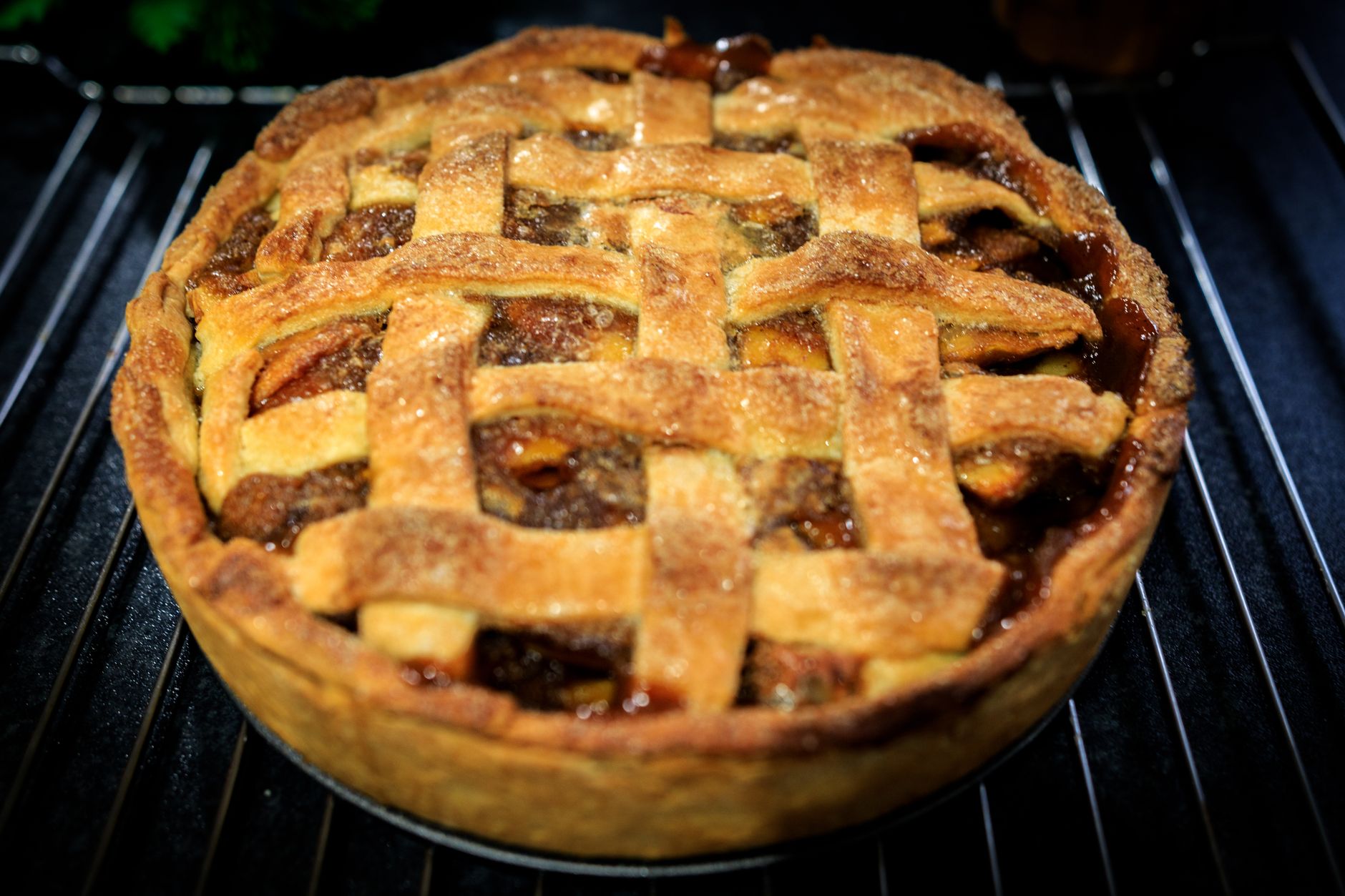
Pies are a beloved dessert that can be both a simple comfort food and an elegant finale to any meal. However, knowing how to store them correctly is essential for both safety and flavor integrity. Understanding how long pie can sit out at room temperature is especially crucial during gatherings or holidays when multiple dishes are served, and pies might be left unattended.
This article explores the guidelines for pie storage, spoilage signs, and storage tips. With this knowledge, you can ensure that your next pie is safe to enjoy and delicious.
How Long Can Pie Sit Out?
Pie can generally sit out at room temperature for up to two hours. However, specific types of pie, such as fruit, custard, or cream, have different storage requirements. It’s essential to know these distinctions to prevent spoilage and keep safe food practices.
Understanding Different Types of Pie
Pies can be classified into several categories, including fruit pies, custard pies, and cream pies. Each type is susceptible to spoilage in different ways due to their unique ingredients.
Fruit Pies
Fruit pies, like apple, cherry, or blueberry, are typically made with a pastry crust and filled with fresh or cooked fruit and sugar. As a general rule, fruit pies can sit out at room temperature for up to two days if stored properly. Always keep them covered with a clean cloth or plastic wrap to protect from pests and dehydration.
Custard Pies
Custard pies, such as pumpkin pie or pecan pie, contain a filling made from eggs and milk, which makes them more prone to spoilage. These pies should not sit out for more than two hours at room temperature. If not consumed within this time frame, it’s best to refrigerate them.
Cream Pies
Cream pies, including coconut cream and chocolate cream pies, have a filling that is particularly sensitive to temperature changes, as they often contain whipped cream or other dairy products. Like custard pies, they should be refrigerated and not left out for more than two hours.
Signs of Spoilage in Pies
Identifying spoilage signs can help keep your pie safe to eat. Here are a few telltale signs to watch for:
- Odor: If the pie has a sour or off smell, it’s likely spoiled.
- Texture: A slimy or excessively watery filling can indicate spoilage, especially in custard and cream pies.
- Mold: Visible mold on the crust or filling is a clear sign that the pie should be discarded.
- Color Changes: Unusual discoloration, particularly in fruit pies, can indicate spoilage.
Proper Storage Techniques for Pies
Knowing how to store pies properly can extend their shelf life and maintain quality. Here are some techniques for both baked and unbaked pies:
Storing Baked Pies
- Cool Down: Allow the pie to cool completely at room temperature before covering or refrigerating it. This prevents condensation, which can make the crust soggy.
- Cover: Wrap the pie tightly with plastic wrap or aluminum foil to prevent air exposure. Alternatively, use an airtight container, if possible.
- Refrigerate: Place custard and cream pies in the refrigerator within two hours of baking. For fruit pies, refrigerating is optional but can prolong freshness.
- Freeze: If you want to store pies for an extended period, most fruit and custard pies can be frozen. Ensure they are wrapped securely to prevent freezer burn.
Storing Unbaked Pies
Unbaked pies can also be stored properly to maintain their quality:
- Chilling: If you are not going to bake a pie right away, wrap it tightly and refrigerate for a few hours before baking.
- Freezing: You can freeze unbaked pies as well. Wrap them tightly in plastic wrap and aluminum foil before placing them in the freezer. Most unbaked pies can be frozen for up to three months. When ready to bake, you can bake them directly from the freezer without thawing.
Reheating Pies
If you have leftover pie that has been properly stored, reheating can help restore its temperature and texture. Here’s how to reheat different types of pie:
Reheating Fruit Pies
- Preheat your oven to 350°F (175°C).
- Remove the pie from the refrigerator and allow it to sit at room temperature for about 10 to 15 minutes.
- Cover the pie loosely with aluminum foil to prevent burning the crust.
- Place it in the preheated oven for 15 to 20 minutes, or until heated through. The filling should be bubbly, and the crust should be warm and crispy.
Reheating Custard and Cream Pies
It’s generally not recommended to reheat custard and cream pies because the textures can become compromised, especially with whipped cream. Instead, allow them to come to room temperature outside the refrigerator for about 20 to 30 minutes.
Common Mistakes and Troubleshooting
Even seasoned bakers can make mistakes when it comes to pie storage. Here are some common pitfalls and how to avoid them:
- Leaving Pies Out Too Long: Always adhere to time limits for leaving pies out, especially those with dairy or egg-based fillings.
- Not Covering: Failing to cover pies can lead to drying out and contamination. Always cover your pie when not in use.
- Rapid Temperature Changes: Avoid letting pies transition quickly from hot to cold. Allow them to cool at room temperature first.
Conclusion
Understanding how long pie can sit out is vital for food safety and quality. Each type of pie has unique storage needs, and being aware of spoilage signs can help you make informed decisions about leftovers. Keep pies properly covered and stored, and always remember the two-hour rule for room temperature. With this knowledge, you can safely enjoy your delicious creations time and again.
For more pie-related tips, explore how to freeze pumpkin pie or try a delightful pecan pie dump cake recipe.