
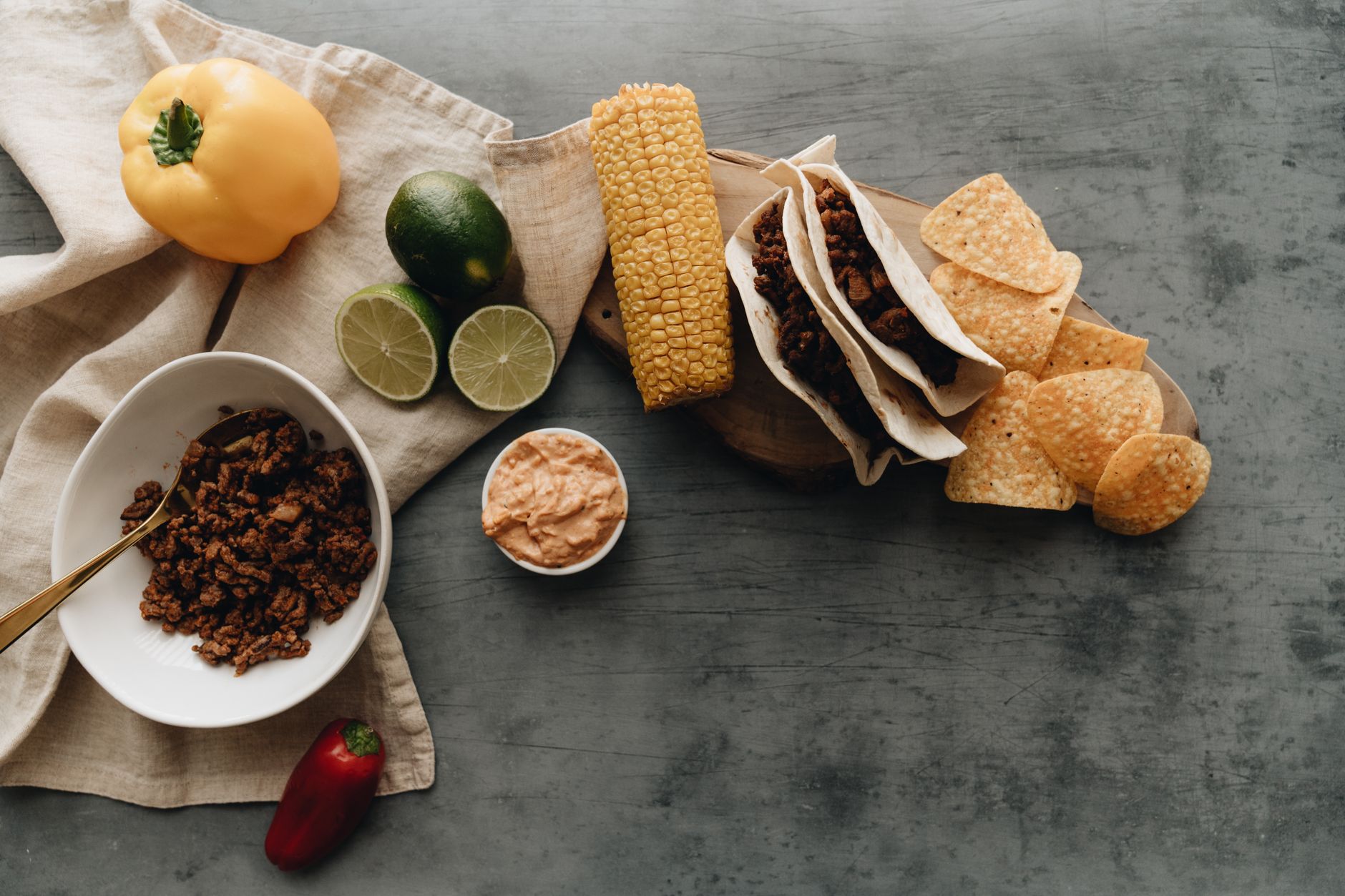
Fajitas are a beloved dish that combines vibrant flavors, juicy beef, and colorful vegetables. But to achieve that mouthwatering result, the choice of beef is essential. In this guide, we will explore the best types of beef for fajitas, their characteristics, and how to use them in your cooking.
With the right cut of beef, you can create fajitas that are tender, flavorful, and perfect for serving on a warm tortilla. Let’s dive into the options available to ensure your next fajita night is a success.
What Kind of Beef for Fajitas?
When it comes to making fajitas, the best types of beef are flank steak, skirt steak, and sirloin steak. Each cut offers a unique texture and flavor profile that can elevate your dish. Understanding these cuts will help you choose the right beef for your fajitas.
Popular Cuts of Beef for Fajitas
Here’s a closer look at the most popular cuts of beef that work exceptionally well for fajitas.
1. Flank Steak
Flank steak is a lean cut taken from the abdominal muscles of the cow. It has long, grainy fibers and a robust beef flavor, making it a popular choice for fajitas.
- Flavor: Rich and beefy, flank steak holds up well to marinades.
- Texture: Slightly chewy, but when sliced against the grain, it becomes tender.
- Cooking Method: Quick-cooked over high heat, either grilled or pan-seared, works best.
2. Skirt Steak
Skirt steak is known for its intense flavor and tenderness. It comes from the diaphragm muscle of the cow and is highly marbled, which helps keep it juicy during cooking.
- Flavor: Deep, beefy flavor that is enhanced by marinating.
- Texture: Very tender, with a loose grain that absorbs marinades well.
- Cooking Method: Like flank steak, skirt steak should be cooked quickly over high heat for optimal results.
3. Sirloin Steak
Sirloin steak is another excellent option for fajitas. It is more versatile than flank or skirt steak, with a mild flavor and a balance of tenderness and fat.
- Flavor: Milder than flank or skirt steak, suited for those who prefer less intense beef flavor.
- Texture: Tender, making it easy to slice into strips.
- Cooking Method: Can be grilled, pan-seared, or broiled, making it adaptable for various cooking styles.
Other Cuts to Consider
While flank, skirt, and sirloin steak are the most popular choices, other cuts can also be flavorful options for fajitas.
4. Ribeye Steak
Ribeye is a richly marbled cut that is quite tender and flavorful. Although it is traditionally a steak cut, it can be sliced for fajitas.
- Flavor: Exceptionally juicy with great beefy flavor.
- Texture: Tender and buttery due to its marbling.
- Cooking Method: Cook quickly to medium rare for the best results.
5. Flat Iron Steak
The flat iron steak has become increasingly popular in recent years due to its tenderness and flavor. It’s cut from the shoulder and resembles a flank steak.
- Flavor: Rich and beefy, excellent when marinated.
- Texture: Very tender, making it easy to slice thinly.
- Cooking Method: Quick cooking methods like grilling or sautéing work well.
Choosing the Right Cut for Your Fajitas
Your choice of beef for fajitas should be based on your preferences for flavor and tenderness, as well as the cooking method you plan to use. Here are a few things to consider when selecting your beef:
- Flavor Intensity: Flank and skirt steak offer bold flavors, while sirloin gives a milder taste.
- Tenderness: For the most tender option, choose ribeye or flat iron steak.
- Cooking Method: All the cuts mentioned can work well with quick cooking methods, so consider your preferred technique.
- Cost: Skirt and flank steaks are typically more affordable than ribeye and sirloin.
Preparation Techniques for Fajitas
Once you’ve selected your cut of beef, the next step is preparation, which includes marinating, cooking, and slicing. Each of these steps is crucial to achieving the best flavor and texture for your fajitas.
Marinade for Beef Fajitas
A good marinade not only enhances the flavor but also helps to tenderize the meat. Here’s a simple marinade recipe suitable for any of the beef cuts mentioned:
- 1/4 cup olive oil
- 1/4 cup freshly squeezed lime juice
- 3 cloves garlic, minced
- 1 teaspoon cumin
- 1 teaspoon chili powder
- 1 teaspoon salt
- 1/2 teaspoon black pepper
Combine all ingredients in a bowl and mix well. Place the beef in a resealable bag or a shallow dish, pour the marinade over it, and refrigerate for at least 1 hour, or up to overnight for maximum flavor.
Cooking the Beef
Regardless of your choice of beef, the cooking process is similar. The aim is to cook your meat quickly to maintain tenderness and flavor.
- Remove the marinated beef from the refrigerator and allow it to come to room temperature for about 30 minutes.
- Preheat the grill or a skillet over high heat. Ensure the skillet is hot to achieve a good sear.
- Add a little oil to the grill or skillet to prevent sticking.
- Cook the beef for about 4-6 minutes per side, depending on thickness. Aim for medium rare, internal temperature of 130°F to 135°F.
- Once cooked, transfer the beef to a cutting board and let it rest for about 5-10 minutes before slicing. This allows the juices to redistribute.
Slicing the Beef
How you slice the beef can make a significant difference in the tenderness. Always slice against the grain.
- Identify the direction of the grain (the lines running through the beef).
- Using a sharp knife, slice the meat into thin strips, approximately 1/4 inch thick.
- For added tenderness, you can also cut at a slight angle.
Serving Suggestions for Fajitas
Fajitas are versatile and can be served in numerous ways. Below are some classic accompaniments and suggestions for serving:
- Warm tortillas (flour or corn)
- Sautéed peppers and onions
- Fresh guacamole
- Sour cream
- Shredded cheese (cheddar or Monterey Jack)
- Salsa or pico de gallo
- Fresh cilantro and lime wedges for garnish
Prepare a fajita platter by arranging the sliced beef, sautéed vegetables, and tortillas, allowing guests to build their own fajitas.
Common Mistakes to Avoid
Here are some common pitfalls to steer clear of when preparing beef fajitas:
- Overcooking the Beef: Fajitas are best when the beef is cooked to medium rare. Overcooking can result in tough and chewy meat.
- Skipping the Marinade: A marinade not only enhances flavor but also helps in tenderizing the meat. Don’t skip it!
- Slicing with the Grain: Always slice against the grain for tender strips. Cutting with the grain will result in chewy bites.
Storing Leftover Fajitas
If you have leftover beef fajitas, proper storage can keep them fresh for future meals. Here is some guidance on how to store and reheat appropriately:
Storing
Store leftover beef fajitas in an airtight container in the refrigerator. They can typically be kept for 3-4 days.
Reheating
To reheat:
- Preheat your skillet over medium heat.
- Add a splash of water or broth to prevent the meat from drying out.
- Heat until warmed through, about 5-7 minutes.
- Alternatively, you can reheat in the microwave, covering the dish to trap moisture.
Conclusion
Selecting the right cut of beef is crucial for making delicious fajitas. Flank steak, skirt steak, and sirloin are excellent choices that can yield a flavorful dish when prepared properly. Avoid common mistakes, and make sure to layer flavors with a good marinade and accompaniments. With these tips, your fajita-making skills will surely impress.
For added variety, consider exploring chicken fajita seasoning recipes or learning more about flat iron steak’s unique properties. Understanding various cuts and their uses will greatly enhance your culinary repertoire.