
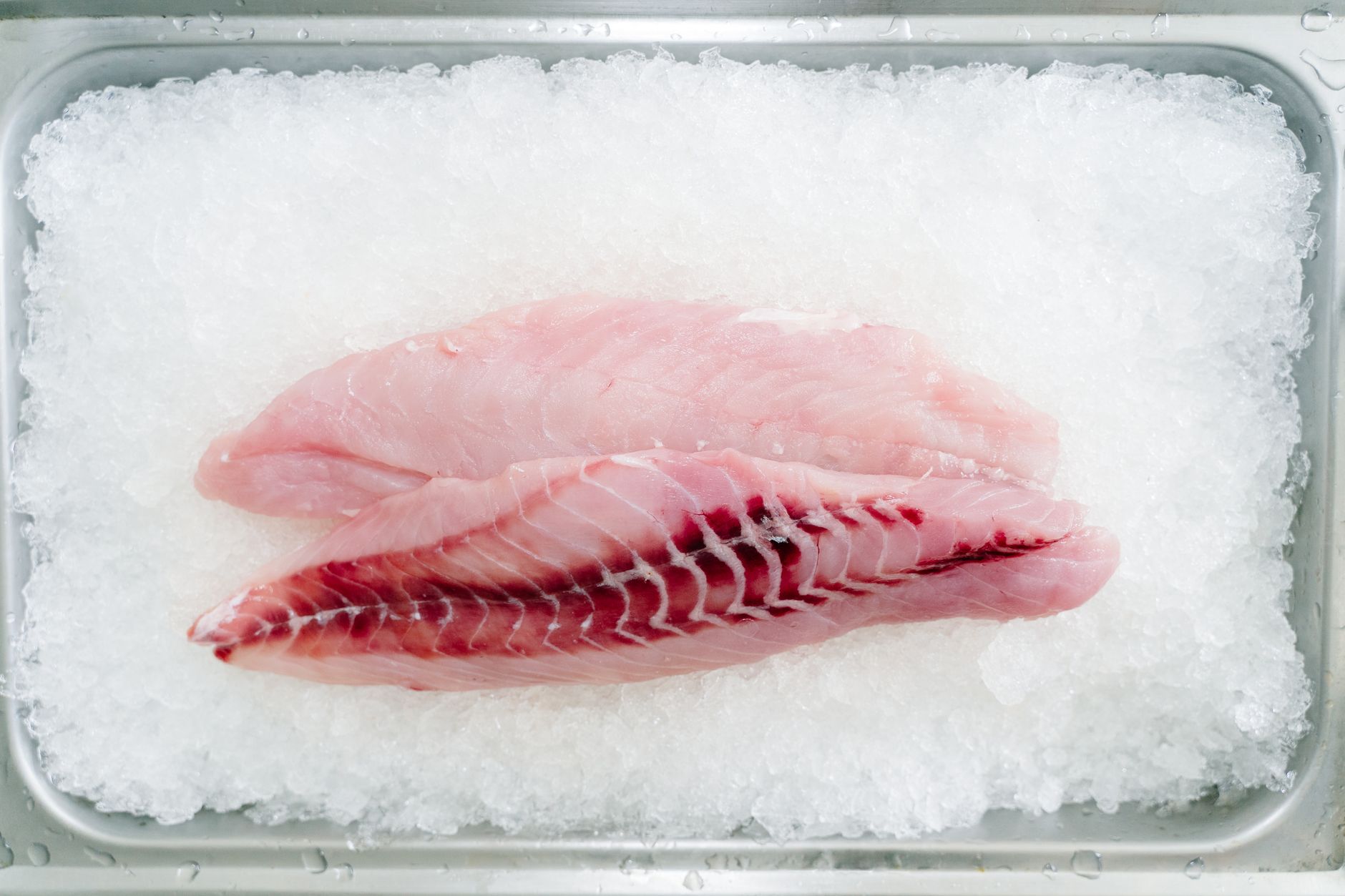
Fish is a popular source of protein and essential nutrients, but concerns about mercury contamination can be a deterrent for consumers. Understanding how mercury affects fish and how it varies among species is vital for making informed dietary choices.
This article will explore whether all fish have mercury, the sources of mercury in fish, and the implications for health and diet. We will also provide practical tips on safely enjoying fish while minimizing mercury exposure.
Do All Fish Have Mercury?
Not all fish have the same levels of mercury, and some types have lower concentrations than others. Mercury is present in varying amounts throughout the aquatic food chain, influenced by factors like species, habitat, and diet. Understanding this variation can help consumers make safer choices.
Understanding Mercury in Fish
Mercury pollution primarily comes from human activities, such as coal burning and industrial processes. Once it enters the water, it can be converted into methylmercury, a toxic form that accumulates in fish tissue. Larger, predatory fish tend to have higher levels of mercury due to bioaccumulation.
The Types of Mercury
- Methylmercury: The most toxic form found in fish, easily absorbed and harmful to health.
- Elemental Mercury: Found in thermometers and some industrial applications; less commonly ingested through fish.
- Inorganic Mercury: Present in certain industrial emissions; not typically found in seafood.
How Mercury Accumulates in Fish
Mercury enters aquatic ecosystems through rain and runoff from contaminated soils. Small fish consume mercury as they eat phytoplankton, which are contaminated. As larger fish eat these smaller ones, the concentration of mercury increases, leading to higher levels in top predators (e.g., shark, swordfish).
Factors Affecting Mercury Levels in Fish
Several factors influence the mercury levels in fish species:
- Species: Larger and longer-lived species typically have higher mercury levels.
- Environment: Waters with higher mercury pollution result in fish with increased mercury concentrations.
- Diet: Predatory fish that consume other fish tend to accumulate more mercury than herbivorous species.
- Age: Older fish accumulate more mercury over time due to prolonged exposure.
Fish with Higher Mercury Levels
While no fish are entirely mercury-free, certain species are known to have higher levels. Consumers should limit intake of the following fish:
- Shark
- King mackerel
- Tilefish
- Bigeye tuna
- Swordfish
Fish with Lower Mercury Levels
If you enjoy fish but are concerned about mercury, consider these safer options:
- Salmon
- Sardines
- Trout
- Pollock
- Cod
- Haddock
Health Implications of Mercury Exposure
Methylmercury is a neurotoxin, primarily affecting the nervous system. Vulnerable populations, including pregnant women, nursing mothers, and young children, are especially at risk. Long-term exposure to high levels of mercury can lead to serious health issues:
- Neurological impairments
- Developmental delays in children
- Memory and cognitive dysfunction
- Cardiovascular issues
Safe Fish Consumption Guidelines
The FDA and EPA provide guidelines for safe fish consumption to minimize mercury exposure. Here are some practical tips:
- Limit consumption of high-mercury fish to once a week or less.
- Pregnant women and children should avoid high-mercury species entirely.
- Opt for a variety of lower-mercury fish as part of a balanced diet.
- Pay attention to local advisories which may affect specific water bodies.
Cooking and Preparing Fish
Proper cooking techniques won’t reduce mercury levels in fish, but they can enhance flavor and texture. Here are some methods:
Baking
Baking fish is a health-conscious method that retains its beneficial nutrients. Here’s a simple method:
- Preheat the oven to 400°F (200°C).
- Season the fish with herbs, lemon juice, salt, and pepper.
- Place the fish on a baking sheet lined with parchment paper.
- Bake for 15 to 20 minutes, or until the fish flakes easily with a fork.
Grilling
Grilling adds a delightful smoky flavor to fish.
- Preheat the grill to medium-high heat.
- Marinate the fish in your choice of seasoning for about 30 minutes.
- Place fish on the grill and cook for about 5-7 minutes per side, depending on thickness.
Steaming
Steaming helps retain the essential nutrients in fish. Follow these steps:
- Fill a pot with water and bring it to a gentle boil.
- Place the fish in a steamer basket above the boiling water.
- Cover and steam for about 10-15 minutes, or until cooked through.
Choosing Sustainable Fish Options
In addition to mercury concerns, selecting sustainable fish helps protect marine ecosystems. Look for labels or certifications such as:
- Marine Stewardship Council (MSC)
- Aquaculture Stewardship Council (ASC)
- Ocean Wise
Consuming fish from certified sustainable sources not only supports environmental health but often correlates with lower mercury levels.
Meal Planning with Fish
Incorporating fish into your meal plan can be beneficial for both health and variety. Here are some realistic ideas to enjoy fish as part of your diet:
Weekly Meal Plan Configuration
Consider a weekly plan that incorporates fish in different ways:
- Monday: Grilled salmon tacos with avocado and corn salsa.
- Wednesday: Baked cod with roasted vegetables.
- Friday: Stir-fried shrimp with vegetables served over brown rice.
- Sunday: Sardine pasta with garlic and spinach.
Batch Cooking and Freezing
Prepare larger portions of fish dishes and freeze them for quick meals. To safely freeze fish:
- Wrap fish tightly in plastic wrap or foil.
- Label with the date and type of fish.
- Store in the freezer for up to three months.
To thaw, place the frozen fish in the refrigerator overnight or use the microwave on defrost mode.
Common Fish Cooking Mistakes
A few common mistakes can hinder the fish cooking experience:
- Overcooking fish can lead to a dry texture. Aim for a white, flaky appearance.
- Skipping marination can result in bland flavors. Marinate fish before cooking for enhanced taste.
- Not checking freshness can lead to using spoiled fish. Always check the color, smell, and texture.
Conclusion
While mercury is present in fish, not all species contain the same levels. By understanding which fish have higher concentrations and following safe consumption guidelines, you can enjoy the myriad benefits that fish offer without compromising your health. Incorporate lower-mercury species into your diet, and consider the health of our oceans by selecting sustainable options. Learn to prepare fish while avoiding common cooking mistakes to make the most of every meal.
For more related resources, explore how to tell if salmon is bad at our informative page and find out if you can refreeze fish with our guide.