
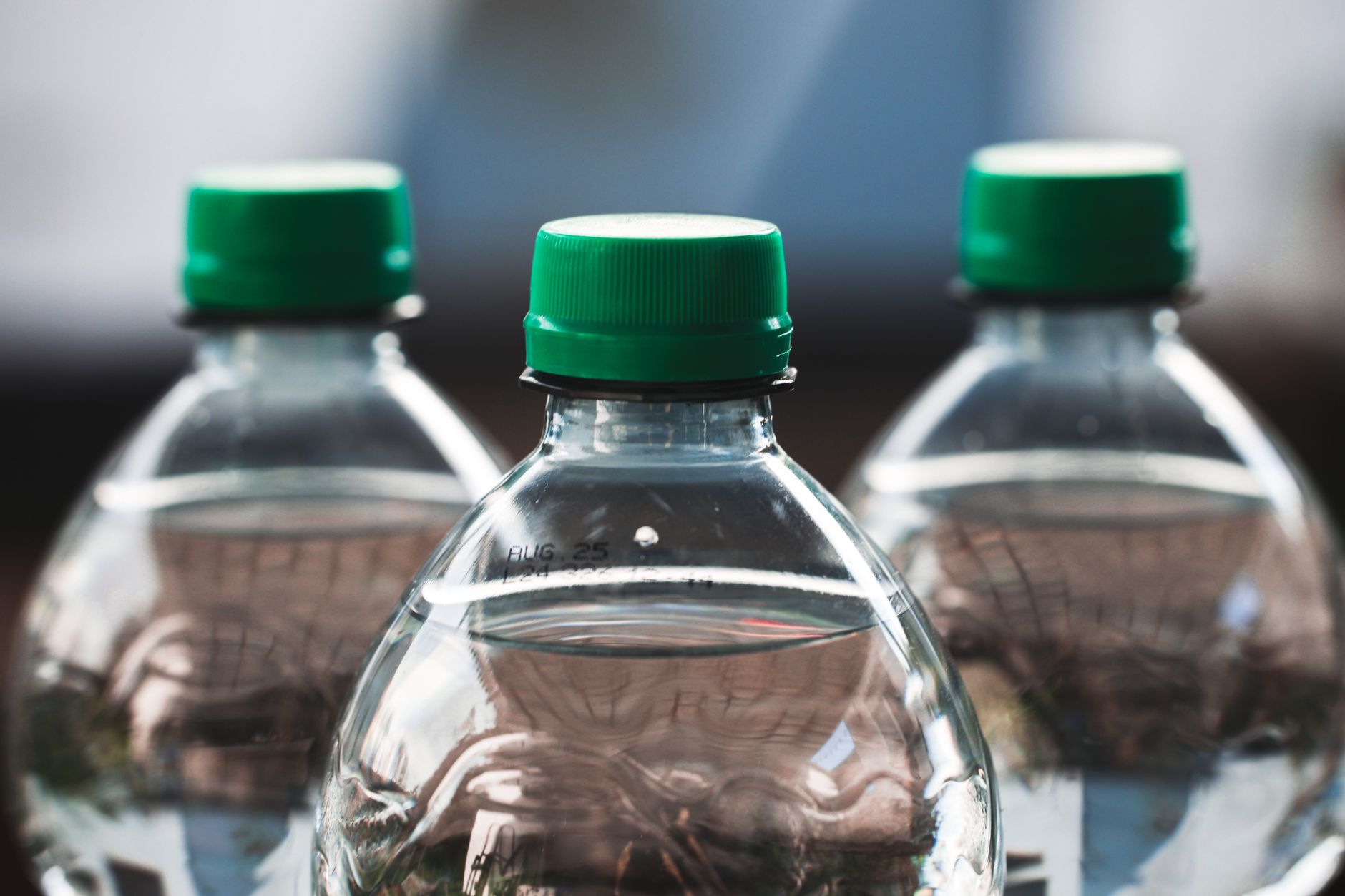
When it comes to cooking, hydration plays a crucial role. Whether you’re boiling pasta, making rice, or preparing soups and stews, understanding how much water you need can affect your dish’s outcome. This article explores how much 3 liters of water translates into common bottle sizes, helping you accurately measure the water for your culinary needs.
Understanding water measurement is vital not just in cooking but also in daily hydration. With an array of bottled water options available, knowing how many bottles equate to 3 liters can streamline meal planning and cooking. Let’s dive into the conversion details and practical ways to apply this knowledge in the kitchen.
How Much Is 3 Liters of Water in Bottles?
Three liters of water is equivalent to approximately 12.68 fluid ounces. Given that standard water bottles vary in size, the conversion can differ based on the specific bottle you might use. For instance, if you’re using standard 500 milliliter bottles, 3 liters equate to six bottles. If your bottles are 1 liter each, you need three bottles. Understanding these conversions ensures that you have the right amount of water for your cooking or hydration needs.
Common Bottle Sizes and Their Measurements
Before we get into the conversions, let’s explore the most common bottle sizes you might encounter:
- 250 milliliters (ml) – 0.25 liters
- 500 milliliters (ml) – 0.5 liters
- 1 liter (L) – 1 liter
- 1.5 liters (L) – 1.5 liters
- 2 liters (L) – 2 liters
Conversion from Liters to Bottles
Let’s break down how much 3 liters translates to in each of these common sizes:
| Bottle Size (Liters) | Number of Bottles for 3 Liters |
|---|---|
| 0.25 Liters | 12 Bottles |
| 0.5 Liters | 6 Bottles |
| 1 Liter | 3 Bottles |
| 1.5 Liters | 2 Bottles |
| 2 Liters | 1.5 Bottles |
Why Accurate Measurement Matters in Cooking
Precision in measurements can greatly influence the success of your dish. Water affects cooking time, texture, and flavor absorption in various recipes. Here are a few scenarios where measured water is crucial:
- Cooking Grains: When cooking rice or quinoa, the water-to-grain ratio is essential. For example, using too much or too little water can lead to mushy or undercooked grains.
- Making Soups and Stews: The consistency of your soup largely depends on how much water is added. Too much water can dilute flavors, while too little may lead to a concentrated dish.
- Boiling Pastas: Adequate water ensures that pasta cooks evenly and does not stick together.
Calculating Water for Specific Recipes
Here are some common recipes and their water requirements to help you apply this knowledge effectively:
- Perfectly Cooked Rice: For standard white rice, the ratio is typically 2 parts water to 1 part rice. If you’re cooking 1 cup of rice, you need 2 cups of water, which is about 0.473 liters. For 2 cups of rice, you would require 4 cups (approximately 0.946 liters) which translates into about one 1-liter bottle.
- Making Soup: For a basic vegetable soup, you might use about 8 cups (approximately 1.89 liters) of water. If you need 3 liters, be mindful of adding more ingredients like vegetables, herbs, and spices to enhance the flavor.
- Boiling Pasta: Generally, use 4 to 6 quarts (3.78 to 5.68 liters) of water for pasta. This ensures that it doesn’t stick together while cooking. If using 3 liters, the pasta might be more prone to clumping, so adjust accordingly.
Substituting Water in Recipes
Water is versatile and can often be substituted with other liquids to enhance flavor. Consider the following alternatives:
- Broth or Stock: Using vegetable, chicken, or beef broth can add depth of flavor to rice, soups, or stews. The substitution ratio remains similar; 1 cup of water can be replaced with 1 cup of broth.
- Wine: For recipes involving cooking meats or pasta, wine can enhance flavor. Replace half the water with wine to give your dish a sophisticated touch.
- Coconut Milk: This is an excellent substitution in soups or stews, adding creaminess while maintaining hydration. Just remember that coconut milk is thicker, so adjust the ratio accordingly.
Practical Tips for Measuring Water
Here are some practical tips when measuring water for cooking:
- Use clear measuring cups for accuracy. They usually have measurements marked on the side, making it easier to know when you have the right amount.
- If you’re using bottled water, keep a scale handy. A standard 1-liter bottle will weigh approximately 1 kilogram, which can help verify your measurements.
- When converting from milliliters to liters, remember that 1 liter equals 1000 milliliters. Be sure to do the math before starting your recipe.
Common Mistakes When Measuring Water
Here are a few common measuring pitfalls and how to avoid them:
- Using Dry Measuring Cups: Always use liquid measuring cups for liquids. Dry cups are not designed for volume measurements and can lead to inaccuracies.
- Ignoring Volume Differences: Not accounting for how liquid increases in volume or steam escaping can affect your measurement; always measure after the cooking process concludes if using water for steaming.
- Assuming All Bottles Are the Same: Different brands of bottled water come in different sizes. Always check the label to ensure you’re using the correct measurement.
How to Store Bottled Water Properly
Storing bottled water properly ensures its freshness and quality. Consider these tips:
- Store in a cool, dry place away from direct sunlight, which can degrade the quality over time.
- Avoid storing water bottles in hot areas, such as a garage or car, to prevent chemical leaching.
- Always check the expiration date on bottled water to ensure its quality before use.
Buying Bottled Water in Bulk
Buying bottled water in bulk can be economical and practical, especially for larger households or events. When planning to stock up, keep the following in mind:
- Check for discounts at local supermarkets or warehouse clubs, as they can offer significant savings.
- Consider the type of bottled water. Spring water, mineral water, and distilled water all have different tastes and uses, so choose accordingly based on your cooking needs.
- Keep your space organized. Designate a specific area in your kitchen for storing bottled water, and rotate stock to ensure older bottles are used first.
Conclusion
Understanding how much water you need in bottles can enhance your cooking experience and prevent mishaps in the kitchen. With 3 liters of water translating to different numbers of bottles based on their sizes, you will be well-equipped to measure accurately for your recipes.
If you’re looking for additional guidance on cooking with water or other ingredients, consider exploring our content on measuring water for rice or refreshing beverages like agua fresca. Start cooking with confidence and add your unique flair to every dish!