
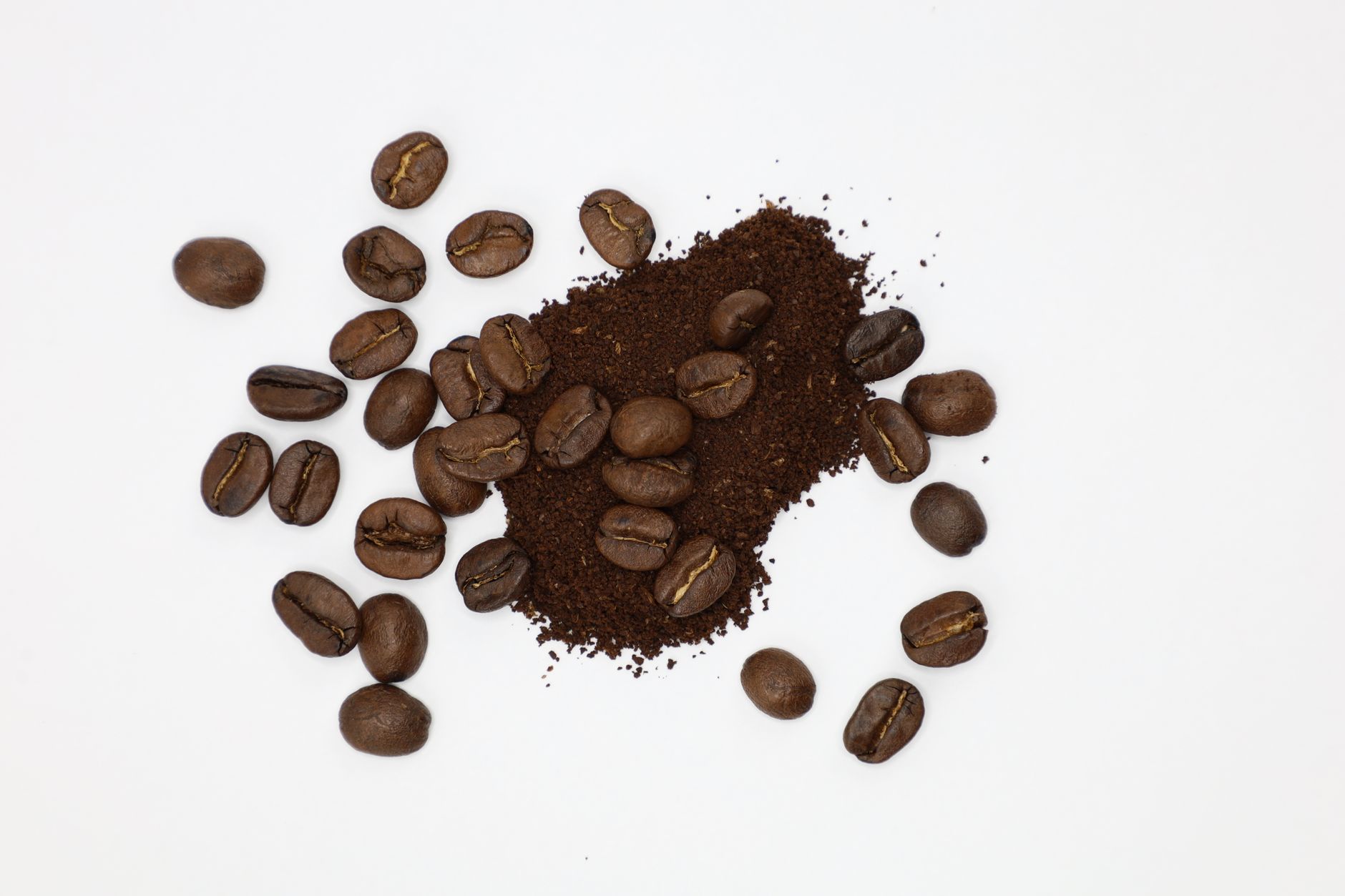
Coffee is a daily ritual for countless individuals, providing a much-needed boost to start the day or a comforting companion during quiet moments. But when faced with the choice of buying coffee beans versus ground coffee, many wonder which option is more economical. Understanding the differences between these two forms of coffee can help you make an informed decision.
This article explores the cost factors, flavor profiles, freshness, and storage considerations related to both coffee beans and ground coffee. By the end, you’ll know whether it’s cheaper to buy coffee beans or ground coffee while also gaining insights to enhance your coffee-drinking experience.
Is It Cheaper to Buy Coffee Beans or Ground Coffee?
Generally, purchasing whole coffee beans is more cost-effective compared to buying pre-ground coffee. Whole beans often have a longer shelf life and retain their freshness better, which can lead to more flavorful coffee. However, other factors such as convenience, storage, and brewing methods can also influence your decision.
Understanding Coffee Pricing
The price of coffee can fluctuate based on several factors, including quality, origin, and the way it is packaged. Here is a closer look at how these factors affect the cost of coffee beans and ground coffee:
Quality and Type of Coffee
Coffee comes in various qualities, from low-grade blends to high-end single-origin varieties. Specialty coffee, often sold as whole beans, is generally more expensive due to its distinct flavor profiles and sourcing methods. On the other hand, mass-produced ground coffee can be cheaper but may not provide the same rich experience.
Brand and Packaging
Brand reputation also plays a significant role in coffee pricing. Well-known coffee brands often charge a premium for their products. Furthermore, ground coffee is frequently sold in smaller, pre-packaged amounts, leading to a higher per-cup cost compared to buying in bulk as whole beans.
Where You Purchase Your Coffee
The type of store or platform where you buy coffee can also affect the price. Local roasters may offer competitive prices for whole beans, while supermarkets might have special deals on pre-ground coffee. Online retailers sometimes provide better deals on bulk purchases.
Total Cost Analysis
To give you a clearer perspective on costs, let’s compare the average prices of whole coffee beans versus ground coffee:
| Type of Coffee | Average Price per Pound | Price per 8 oz (about 16 servings) |
|---|---|---|
| Whole Coffee Beans | $8 – $20 | $4 – $10 |
| Pre-Ground Coffee | $6 – $15 | $3 – $7.50 |
While ground coffee can appear cheaper at first glance, whole beans may provide more servings and better quality over time, making them a more economical choice in the long run.
Flavor and Freshness
Aside from cost, the key difference between whole beans and ground coffee lies in flavor and freshness. Whole beans preserve their essential oils and flavors longer than ground coffee, which can lose its freshness and aroma within days of being ground.
How Flavor and Aroma Deteriorate
Once coffee beans are ground, they have a larger surface area exposed to air, resulting in rapid oxidation. This process not only affects the flavor but can also diminish the overall quality of your brew. Whole beans remain sealed and protected until you are ready to grind them, ensuring the best flavor.
Brewing Consideration
The grind size is essential for proper extraction during brewing; however, it can vary based on your brewing method. For a consistent flavor, it’s advisable to grind your beans just before brewing. Purchasing whole beans allows for this flexibility and can lead to a better cup of coffee.
Storage and Shelf Life
Another practical consideration is storage. Coffee’s freshness is heavily influenced by how it is stored. Here’s how to effectively store whole beans compared to pre-ground coffee:
Storing Coffee Beans
- Keep whole beans in a sealed container away from light, moisture, and heat.
- Airtight containers are preferable for maintaining freshness.
- Consider freezing whole beans for longer storage; however, avoid refreezing once they’ve been thawed.
Storing Ground Coffee
- Store in an airtight container, similar to whole beans, but be aware it has a shorter shelf life.
- Limit exposure to air, moisture, and heat to prolong freshness.
Practical Benefits of Whole Beans vs. Ground Coffee
There are several benefits when you choose whole coffee beans over ground coffee, irrespective of cost.
Customization
With whole beans, you can customize the grind size according to your preferred brewing method—fine for espresso and coarse for French press. This ensures the best possible extraction and flavor profile based on the brewing technique used.
Buying in Bulk
Purchasing whole beans in bulk can save money in the long run. Bulk purchases typically come with discounted pricing, meaning you pay less per pound than buying small quantities of ground coffee.
Environmental Impact
Whole beans often come with less packaging waste compared to ground coffee, especially when buying from local roasters or specialty shops. Opting for whole beans supports eco-friendly practices and contributes to reducing packaging waste.
Convenience: Ground Coffee Pros and Cons
Ground coffee offers convenience for those looking for a quick brew without the extra step of grinding beans. However, this convenience can have both pros and cons:
Pros of Ground Coffee
- Ready to use: No grinding is required, making it a time-saver for busy mornings.
- Less equipment needed: No coffee grinder is necessary if you buy pre-ground coffee.
Cons of Ground Coffee
- Lack of freshness: Ground coffee loses flavor quickly, which can impact your coffee experience.
- Limited control over grind size: You might not have the grind size suitable for your preferred brewing method.
Making the Choice: Factors to Consider
Making the decision between coffee beans and ground coffee ultimately depends on your preferences, patterns, and coffee consumption habits. Here are key factors to consider:
Your Brewing Method
Certain brewing methods benefit from freshly ground beans, while others may work with pre-ground coffee. If you predominantly use a drip coffee maker or pour-over, whole beans may enhance your coffee’s flavor.
Frequency of Use
If you drink coffee daily and go through a lot of grounds quickly, buying whole beans might be better. However, if you only brew occasionally or tend to change your coffee frequently, ground coffee may be more convenient.
Storage Capability
Consider how much storage space you have available. Whole beans typically require more space, especially if you plan to buy in larger quantities. Ground coffee, while compact, can require frequent purchasing to maintain freshness.
Personal Preference
Your taste preferences play a significant role. If you enjoy experimenting with different flavors and types of coffee, whole beans allow you to explore a wider range of options. Conversely, you might prioritize convenience, making ground coffee a better fit.
Final Thoughts: Is It Cheaper to Buy Coffee Beans or Ground Coffee?
Overall, while it may seem like ground coffee has the edge in terms of convenience and initial cost, the long-term benefits of purchasing coffee beans, such as enhanced flavor, freshness, and economic savings, often outweigh the advantages of pre-ground coffee. Whole beans preserve better quality, offer more servings per purchase, and provide an overall richer coffee experience.
Ultimately, weighing the cost against quality, freshness, and convenience will lead you to the perfect choice tailored to your coffee routine. Whether you decide on coffee beans or ground coffee, the joy of brewing and enjoying your favorite beverage can remain an integral part of your day.
For those interested in expanding their coffee knowledge, consider trying out some flavorful recipes like protein coffee or coffee syrup to enrich your coffee experience.