
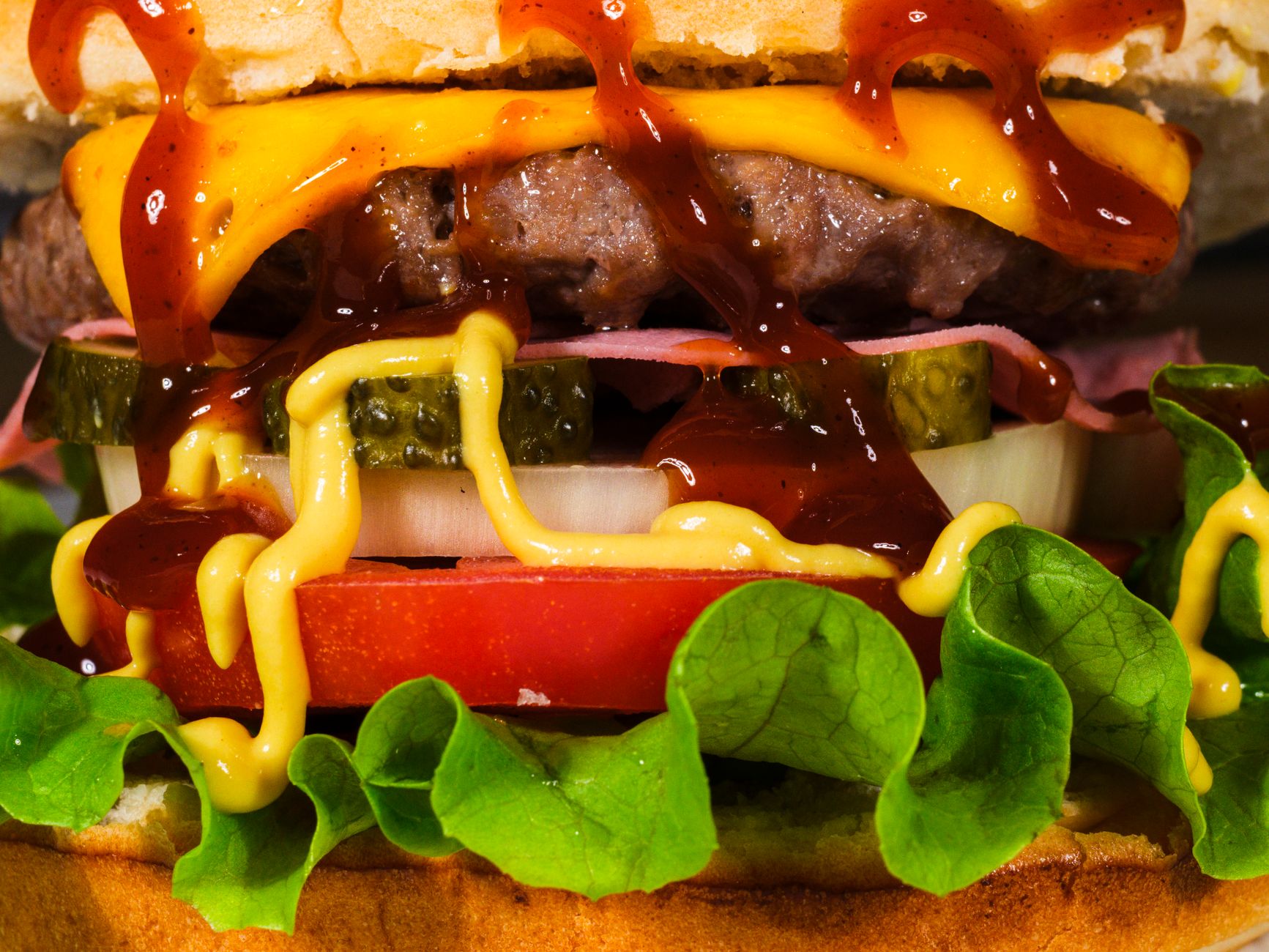
The hamburger is more than just a popular fast-food item; it is a culinary classic with rich historical roots. Understanding where the hamburger comes from can enhance your appreciation for this delicious meal. From its origins to its evolution throughout different cultures, this article explores the journey of the hamburger, shedding light on its historical significance.
In this comprehensive overview, we’ll trace the hamburger’s lineage, examine its evolution across the globe, and discuss its impact on modern cuisine. Whether you’re a burger aficionado or just curious about where this iconic dish fits into food history, there’s much to learn.
Where Does the Hamburger Come From?
The hamburger finds its roots in 19th-century Europe, specifically in Hamburg, Germany, from which it derives its name. The city was known for its high-quality beef, leading to the creation of ground beef patty dishes eventually served in a sandwich format. This culinary concept made its way across the Atlantic to the United States, evolving into the hamburger we know today as a quintessential American food.
The Early Beginnings of Ground Meat
Ground meat dishes have long been a part of various culinary traditions. The concept of mincing or grinding meat can be traced back centuries. In fact, ancient Roman cookbooks included recipes for ground meat mixtures, paving the way for future innovations. However, the direct precursor to the hamburger emerged in the port city of Hamburg in Germany during the late 1800s.
The Hamburg Steak
The “Hamburg steak” was a dish made from finely chopped or minced beef, seasoned and shaped into a patty. This dish became popular among German immigrants, who brought their culinary traditions with them to America. The Hamburg steak was often served raw or lightly cooked, accompanied by various condiments and toppings.
As German immigrants settled in the United States, the Hamburg steak transformed into a more convenient form, ideal for the growing urban population. By placing the cooked patty between two slices of bread, it became a portable meal, suitable for busy lifestyles.
The Hamburger’s Arrival in America
The popularization of the hamburger in the United States began in the late 19th to early 20th centuries. Various claims attribute the invention of the hamburger sandwich to several individuals and locations, showcasing the competitive spirit of early American cuisine.
Louis Lassen and the Birth of the Hamburger
One widely accepted claim involves Louis Lassen, a Danish immigrant who ran a small lunch wagon in New Haven, Connecticut. In 1900, he purportedly served the first hamburger by placing a ground beef patty between slices of bread. Louis’s creation became popular among customers seeking a quick and satisfying meal.
Fletcher Davis and the Texas Connection
Another claim to the hamburger’s invention comes from Fletcher Davis, a cook from Texas who served a similar dish at the 1904 St. Louis World’s Fair. Davis offered a ground beef patty topped with onions and mustard, served in a bun. His presentation contributed to the hamburger’s widespread recognition, further solidifying its status as an American icon.
White Castle and the Fast-Food Revolution
By the 1920s, the hamburger enjoyed rapid popularity, aided significantly by the establishment of White Castle in 1921—the first fast-food chain that specialized in hamburgers. With its standardized production process, White Castle served up affordable, consistent, and fast hamburgers that appealed to the growing working-class population.
The Evolution of the Hamburger
As the hamburger gained traction, it underwent numerous iterations and adaptations. Various regions in the United States and beyond added their unique twist to the classic beef patty, making burgers diverse and exciting. Here are some notable variations:
Cheeseburgers
The addition of cheese made its way into the hamburger’s repertoire in the 1920s. The cheeseburger quickly became a beloved variation, with melted cheese enhancing the flavor and richness of the patty. Today, varieties include American, Swiss, cheddar, and pepper jack, among many others.
Regional Favorites
Across the United States, different regions have developed their versions of the hamburger:
- California-style burgers: Often topped with fresh avocado or other unique ingredients.
- Chicago-style burgers: Known for the use of fresh, local ingredients and toppings like giardiniera.
- Royal burgers: Commonly include bacon and fried eggs, adding extra layers of flavor and richness.
- Pork and seafood variations: Some regions even incorporate ground pork, bison, turkey, or seafood for a different taste profile.
Global Influence: The Hamburger Beyond America
The hamburger’s appeal transcends borders, leading to widespread adaptations around the world. Different cultures have embraced and modified the burger concept, resulting in exciting variations that reflect local tastes and ingredients.
Germany
In Germany, the hamburger remains a cherished dish. The name “hamburger” emphasizes its origin, and variations abound. Popular toppings include grilled onions, sauerkraut, and various sauces, showcasing the country’s love for hearty flavors.
Japan
Japan has embraced the hamburger both in Western-style restaurants and with local flair. The “hamburg” steak, a different format using a similar patty, is served with rice and vegetables, often enhanced with unique sauces and seasonings.
Australia
The Australian “burger with the lot” often features a beef patty alongside bacon, pineapple, beetroot, and a fried egg, showcasing a robust and flavorful experience.
Southeast Asia
In countries like Singapore and Indonesia, street vendors often serve burger variations called “ramly burgers,” which feature spicy mayonnaise, curry powder, and other items that highlight local flavors.
Modern-Day Burgers: Health Considerations and Innovations
Recent years have seen a shift towards health-conscious eating, driving burger innovations to cater to diverse dietary preferences. Today’s consumers are increasingly interested in the nutritional profiles of hamburgers while still enjoying their classic flavors.
Plant-Based Burgers
One of the most notable trends is the rise of plant-based burgers, designed to replicate the taste and texture of traditional beef patties. Brands like Beyond Meat and Impossible Foods have garnered attention for their innovative products, appealing to vegetarians, vegans, and flexitarians seeking delicious alternatives.
Healthier Alternatives
Many restaurants and home cooks are opting for leaner meats, such as grass-fed beef, turkey, or chicken, to create healthier versions of the hamburger. Additionally, customizable options allow consumers to control toppings, sauces, and portion sizes, making it possible to enjoy burgers more mindfully.
The Cultural Significance of the Hamburger
The hamburger represents more than just a meal; it embodies American culture and identity. Its widespread popularity is reflected in media, festivals, and social gatherings. The burger’s status as a symbol of convenience, comfort, and indulgence speaks to its role in modern-day life.
Social Gatherings
The hamburger has become synonymous with gatherings, barbecues, and celebrations. Whether at summer cookouts or food festivals, burgers are often the centerpiece, bringing people together to enjoy food and camaraderie.
Pop Culture Connections
Numerous films, songs, and television shows have referenced hamburgers, further solidifying their place in American pop culture. From the iconic scene in “Pulp Fiction” discussing the “Royale with Cheese” to the memorable Golden Arches of McDonald’s, the hamburger is firmly entrenched in social consciousness.
The Future of Burgers
As culinary trends continue to evolve, so will the hamburger. Efforts toward sustainability, responsible sourcing, and inclusivity are shaping the burger landscape. Expect exciting new flavors, methods, and ingredients to emerge as chefs and consumers alike push the boundaries of creativity.
Gastronomic Ventures
High-end restaurants are experimenting with gourmet burgers featuring truffle aioli, foie gras, or exotic cheeses. This innovation opens the door to new dining experiences that combine the familiar comfort of hamburgers with the excitement of upscale cuisine.
Global Fusion
As the world becomes more interconnected, fusion cuisines will undoubtedly influence burger offerings. Ingredients and techniques from various culinary traditions will continue to shape the future of hamburgers, presenting endless possibilities for flavor combinations and culinary exploration.
Making Your Own Hamburgers at Home
After uncovering the rich history and evolution of the hamburger, you might be inspired to try your hand at making your burgers at home. Creating your burger allows for endless creativity and customization. Below is a simple guide to get you started.
Essential Ingredients for Homemade Burgers
To create a delicious homemade hamburger, you’ll need the following ingredients:
- Ground beef (80/20 lean-to-fat ratio is ideal for flavor and juiciness)
- Burger buns (brioche, sesame, potato, or whole wheat)
- Salt and pepper (for seasoning)
- Cheese (optional; cheddar, Swiss, or blue cheese)
- Your choice of toppings (lettuce, tomato, onion, pickles, etc.)
- Your preferred sauces (ketchup, mustard, mayonnaise, or specialty sauces)
Making Your Burgers: Step-by-Step Instructions
- Start by dividing the ground beef into equal portions (typically about 4 to 6 ounces per patty).
- Gently form each portion into a patty, being careful not to overwork the meat, which can result in a tough burger.
- Use your thumb to make a slight indentation in the center of each patty. This will help the burger cook evenly without puffing up.
- Season both sides of the patties generously with salt and pepper.
- Preheat your grill or skillet over medium-high heat.
- Cook the patties for about 4-5 minutes on one side and flip them over.
- Add cheese on top if desired, then cook for an additional 3-4 minutes, or until the internal temperature reaches 160°F (71°C) for medium doneness.
- Remove the patties from the heat and let them rest for a few minutes.
- Assemble your burgers by placing the patty on the bottom bun, adding your desired toppings and sauces, and finally, placing the top bun.
Tips for Delicious Homemade Hamburgers
- Use chilled ground beef for easier shaping and handling.
- Experiment with seasoning blends like garlic powder or Worcestershire sauce for additional flavor.
- Don’t skip the resting step; it helps retain the juices.
- Toast your burger buns on the grill or in a skillet for added texture.
- Feel free to customize your toppings and sauces to suit personal preferences.
Storing and Reheating Burgers
If you have leftover hamburgers, proper storage ensures food safety and maintains quality. Here are some guidelines:
Storage Tips
- Allow cooked patties to cool completely before refrigerating.
- Store leftovers in an airtight container or wrap them tightly with plastic wrap.
- Refrigerated burgers should be consumed within 3 to 4 days.
- You can freeze uncooked patties for up to 3 months, separating each patty with parchment paper.
Reheating Suggestions
- Reheat cooked patties in a skillet over low heat until warmed through.
- You can also use a microwave, but be aware that this may affect the texture of the burger.
- For frozen patties, defrost in the refrigerator overnight before reheating.
Whether you’re making a classic hamburger, experimenting with plant-based options, or exploring gourmet variations, the hamburger’s rich history adds depth to your experience. From its humble beginnings in Hamburg, Germany, to its status as a global icon, the hamburger continues to delight taste buds around the world.
As you embark on your hamburger-making adventures, be sure to try homemade ingredients for the fullest flavor experience. Explore some versatile recipes like hamburger steak or cheeseburger macaroni to expand your culinary skills.
For more delicious recipes and cooking tips, check out our hamburger steak recipe and try your hand at cheeseburger macaroni to keep your meals exciting.