
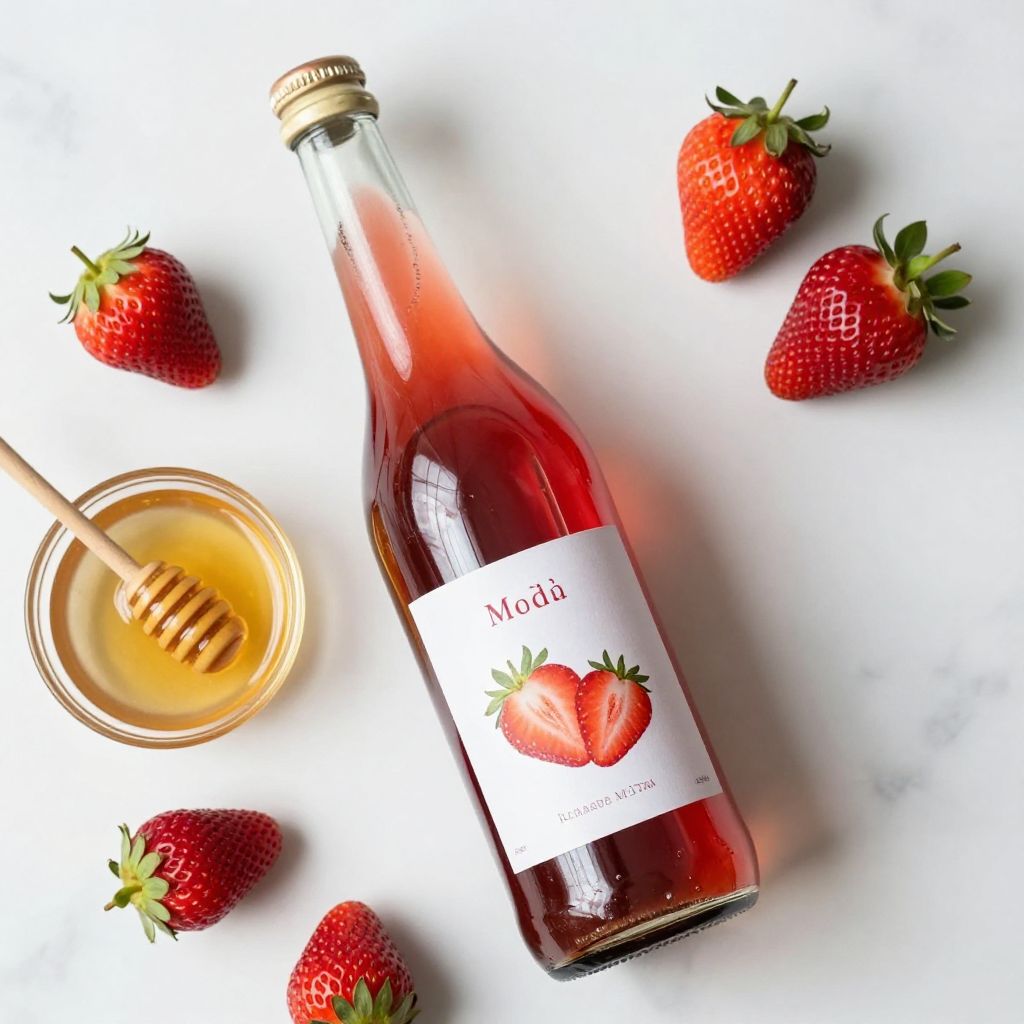
Picture the sweet aroma of ripe strawberries wafting through your kitchen as you embark on a delightful brewing adventure. Making Strawberry Mead is not just about creating a drink; it’s about capturing the essence of summer in a glass, providing a refreshing and complex flavor that dances on your palate.
This recipe stands out because it’s surprisingly simple yet incredibly rewarding. With just a few ingredients and some patience, you’ll end up with a deliciously fruity mead that’s perfect for sharing at gatherings or sipping on a quiet evening.
Why You’ll Love This Recipe
This Strawberry Mead recipe is a must-try for several reasons.
- Unique flavor profile that perfectly balances sweetness and acidity.
- Easy to make with minimal equipment needed.
- Perfect for summer parties or cozy nights in.
- Customizable with different fruits or spices for variety.
- Full of natural ingredients with no artificial additives.
My Experience Making This Recipe
When I first made this mead, I was surprised at how straightforward the process was. The vibrant red color and the intoxicating scent of strawberries bubbling away on the stove made it feel like magic.
After a few weeks of fermentation, the first sip was a revelation. It was refreshingly light, with just the right amount of sweetness, and it quickly became a favorite among my friends.
Recipe Overview
- Recipe Name: Strawberry Mead
- Servings: About 5 servings
- Prep Time: 15 minutes
- Cook Time: 30 minutes
- Total Time: 4 weeks (including fermentation)
- Course: Beverage
- Cuisine: Homebrewing
- Calories per Serving: Approximately 150
Equipment You Will Need
- Large pot
- Fermentation vessel with an airlock
- Sanitizer for equipment
- Funnel
- Measuring cups and spoons
- Spoon for stirring
Ingredients for Strawberry Mead
- 4 cups fresh strawberries, hulled and sliced
- 1 cup honey
- 1 gallon water
- 1 teaspoon yeast (mead or champagne yeast)
- 1/2 teaspoon yeast nutrients
Ingredient Notes and Substitutions
- Strawberries: They provide the primary flavor and sweetness in the mead. You can substitute with other berries like raspberries or blueberries.
- Honey: This adds natural sweetness and depth. Use different floral varieties for unique flavor profiles.
- Water: Clean, filtered water ensures the best taste. Avoid using tap water with strong chlorine flavors.
- Yeast: This is crucial for fermentation. You can use regular baking yeast but expect different flavor results.
- Yeast nutrients: These help the yeast thrive. If unavailable, a pinch of sugar can suffice.
How to Make Strawberry Mead
Step 1: Prepare the Strawberries
Start by washing and hulling the strawberries. Slicing them increases the surface area, allowing for better flavor extraction during fermentation.
Step 2: Cook the Strawberries
In a large pot, combine the sliced strawberries with 1 gallon of water. Bring it to a gentle boil, stirring occasionally to release their juices and flavors.
Step 3: Add the Honey
Once the strawberries have softened, remove the pot from heat and stir in the honey. Mixing it in while it’s warm ensures it dissolves completely and integrates well.
Step 4: Cool the Mixture
Allow the mixture to cool to room temperature. This is important because adding yeast to a hot mixture can kill it, preventing fermentation.
Step 5: Transfer to Fermentation Vessel
Using a funnel, carefully transfer the cooled mixture into your fermentation vessel. Leave some space at the top to allow for bubbling during fermentation.
Step 6: Add Yeast and Nutrients
Add the yeast and yeast nutrients to the vessel. Gently swirl the vessel to mix, but avoid vigorous shaking as it can introduce unwanted oxygen.
Step 7: Seal and Store
Seal the fermentation vessel with an airlock to allow gases to escape while preventing contaminants from entering. Store it in a dark, cool place for about 2-4 weeks.
Step 8: Bottle the Mead
Once fermentation is complete, carefully siphon the mead into clean bottles, leaving sediment behind. Seal the bottles and let them age for at least another week before enjoying.
Pro Tip: Be patient! Mead improves with age, so waiting a few months will enhance the flavors significantly.
Tips for the Best Strawberry Mead
- Always sanitize all equipment before use to avoid contamination.
- Use quality honey for better flavor; local honey can add unique character.
- Experiment with additional fruits or herbs like mint for a twist.
- Monitor fermentation temperature; it should ideally be between 65-75°F.
- Consider bottling in smaller bottles for easier sharing and tasting.
Common Mistakes to Avoid
- Skipping sanitization can lead to off-flavors or spoilage.
- Using hot water can kill the yeast, stopping fermentation.
- Not allowing enough aging time can result in harsh flavors.
- Overfilling bottles can cause messy eruptions during carbonation.
Serving Suggestions
Serve your mead chilled for a refreshing experience. Pair it with light cheeses or fruit desserts for a delightful treat.
- Cheese platters with brie or goat cheese.
- Fruit tarts or sorbets.
- Grilled chicken or fish dishes.
- Chocolate desserts for a decadent pairing.
Variations to Try
- Add a splash of lemon juice for a citrusy zing.
- Incorporate ginger for a warm, spicy note.
- Mix in other fruits like peaches or cherries for a medley.
- Infuse with herbs such as basil or rosemary for a unique twist.
Dietary Adaptations
- Gluten-free: This recipe is naturally gluten-free.
- Dairy-free: No dairy ingredients are used.
- Vegan: Use plant-based honey substitutes like agave syrup.
- Low-carb/keto: Reduce honey for a lower carb count, but flavor will vary.
Storage and Reheating
Refrigerator
Store your mead in the fridge once opened to maintain freshness.
- Keep it tightly sealed to avoid oxidation.
- Consume within 3-4 weeks after opening for the best flavor.
Freezer
Mead can be frozen if needed, though this may alter the texture slightly.
- Leave headspace in bottles to accommodate expansion.
- Thaw in the refrigerator before serving.
Reheating
Avoid reheating mead; it’s best enjoyed chilled. If you want to warm it, do so gently in a pot over low heat.
- Do not boil, as this will ruin the delicate flavors.
Nutrition Information
| Nutrient | Amount |
|---|---|
| Calories | 150 |
| Total Fat | 0g |
| Saturated Fat | 0g |
| Carbohydrates | 38g |
| Fiber | 1g |
| Sugar | 30g |
| Protein | 0g |
| Sodium | 5mg |
| Cholesterol | 0mg |
This nutritional information is approximate and will vary based on specific ingredients used.
Frequently Asked Questions
Can I make this mead ahead of time?
Yes! Mead improves with age, so making it a month or more in advance is ideal.
What can I substitute for strawberries?
Other berries like raspberries or blueberries work well, or you could try stone fruits for a different flavor.
How should I store my mead?
Store it in a cool, dark place or in the refrigerator after opening to maintain freshness.
Why is my mead cloudy?
Cloudiness can be due to leftover yeast or sediment. It will usually settle over time, so patience is key.
Can I carbonate my mead?
Yes, you can carbonate it by adding a small amount of sugar before bottling, but be cautious to avoid over-carbonation.
Final Thoughts
Making Strawberry Mead is not just a fun project; it’s a delightful way to savor the taste of summer long after the season ends. With each sip, you’ll be reminded of sun-kissed days and the joy of crafting something unique.
So gather your ingredients, roll up your sleeves, and enjoy the process. And if you’re looking for more delicious strawberry recipes, be sure to check out this strawberry pie filling recipe and this strawberry glaze recipe for even more sweet inspiration.
Strawberry Mead
Ingredients
Equipment
Method
- Start by washing and hulling the strawberries. Slicing them increases the surface area for better flavor extraction during fermentation.
- In a large pot, combine the sliced strawberries with 1 gallon of water. Bring it to a gentle boil, stirring occasionally.
- Once the strawberries have softened, remove the pot from heat and stir in the honey until dissolved.
- Allow the mixture to cool to room temperature.
- Using a funnel, carefully transfer the cooled mixture into your fermentation vessel.
- Add the yeast and yeast nutrients to the vessel, gently swirl to mix.
- Seal the fermentation vessel with an airlock and store it in a dark, cool place for about 2-4 weeks.
- Once fermentation is complete, siphon the mead into clean bottles, avoiding sediment, and seal the bottles.
- Let them age for at least another week before enjoying.