
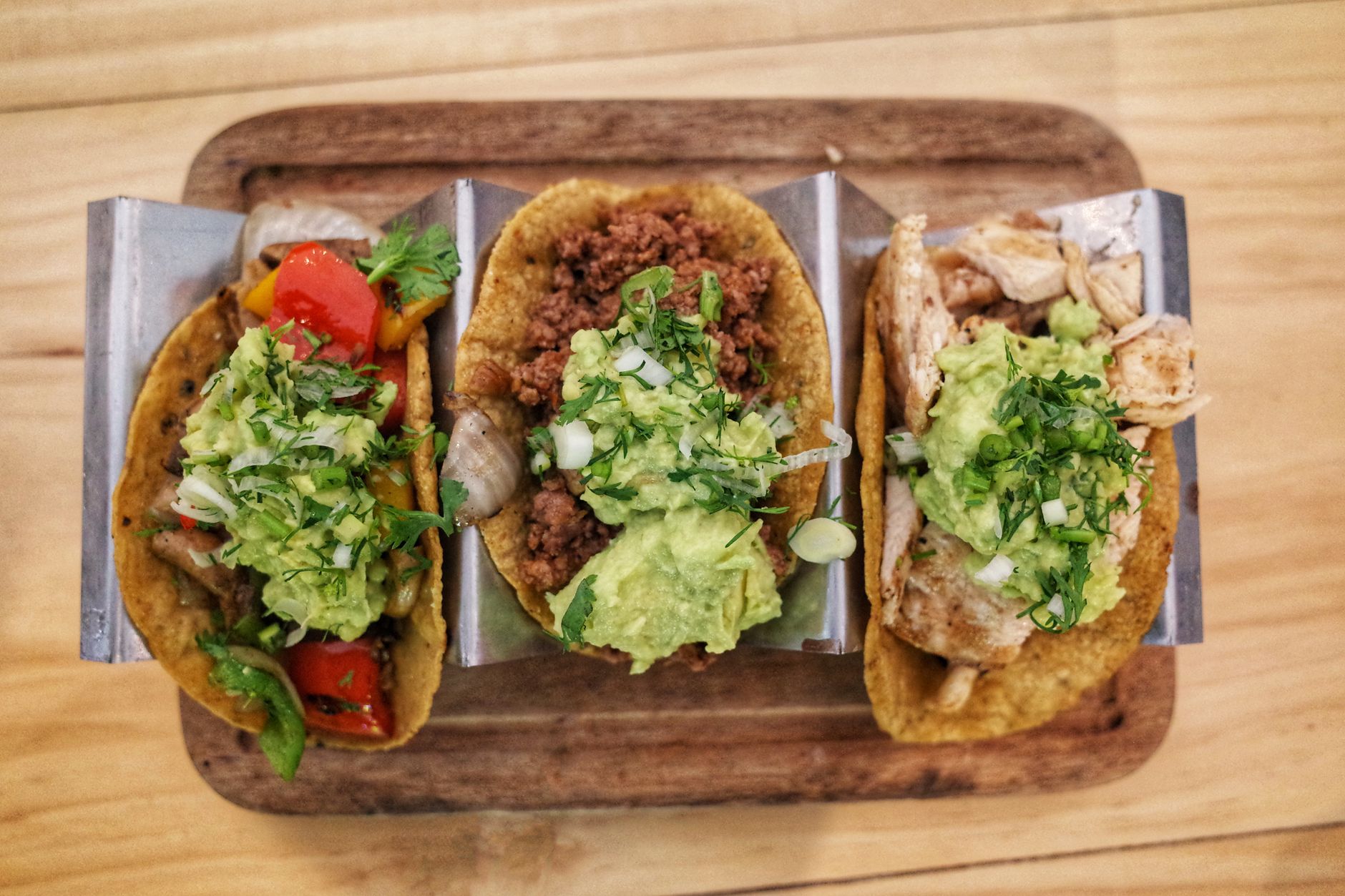
Tacos are a beloved dish that showcases bold flavors and textures, making them ideal for almost any occasion. Central to the classic taco is ground beef, but not all ground beef is created equal. Choosing the right kind enhances the taste and richness of your tacos, making for a satisfying meal.
This guide explores various types of ground beef suitable for tacos, detailing their characteristics, culinary uses, and preparation tips. Whether you’re hosting a taco night or simply looking to spice up your weeknight dinner, knowing what ground beef to use can make a significant difference.
What Kind Of Ground Beef For Tacos?
For tacos, the best types of ground beef include ground chuck, ground sirloin, and ground round. Each offers unique flavor profiles, fat content, and texture, which can impact the overall taste of your tacos. Choosing the correct ground beef will ensure a juicy and flavorful filling that pairs well with your favorite taco toppings.
Types of Ground Beef
When selecting ground beef for tacos, it’s crucial to understand the various types available. Here’s a breakdown of the most common types of ground beef you might consider:
1. Ground Chuck
Ground chuck is derived from the shoulder area of the cow. It typically contains about 15-20% fat, making it a popular choice for tacos.
- Flavor: Rich and beefy, perfect for flavorful tacos.
- Texture: Coarse and crumbly, holds its shape well when cooked.
- Best Use: Ideal for classic beef tacos with bold seasoning.
2. Ground Sirloin
Ground sirloin comes from the lower back and is leaner than ground chuck, containing about 10-15% fat.
- Flavor: Slightly milder than ground chuck but still has good beef flavor.
- Texture: Fine texture, cooks up nicely without too much greasiness.
- Best Use: Great for those who prefer a leaner taco filling.
3. Ground Round
Ground round is taken from the rear of the cow and is among the leanest ground beef options, with about 10-20% fat.
- Flavor: Lighter beef flavor compared to chuck.
- Texture: Very fine, which may result in a less hearty taco texture.
- Best Use: Works well in tacos where other flavorful ingredients are highlighted, such as spices or salsas.
4. 80/20 Ground Beef
This refers to the fat ratio in the meat, with 80% lean meat and 20% fat. It’s a versatile option that many chefs prefer for tacos.
- Flavor: Well-balanced with enough fat to keep the meat moist.
- Texture: Great texture for tacos as the fat helps bind the meat during cooking.
- Best Use: Perfect for most taco recipes and provides a rich flavor profile.
Choosing the Right Ground Beef for Your Tacos
When deciding what kind of ground beef to use for tacos, consider several factors:
- Personal Preference: Do you prefer a fattier or leaner meat? This will affect the flavor and texture of your tacos.
- Cooking Method: If you’re grilling or cooking on a skillet, the fat content plays a significant role. Ground chuck holds up well on the grill.
- Health Considerations: If you’re watching your fat intake, leaner cuts like ground sirloin or ground round are better options.
- Flavor Profile: Consider how seasoned or spicy your taco filling will be. A richer, fattier meat can balance bold flavors.
Cooking Techniques for Ground Beef Tacos
Once you’ve selected the right ground beef, knowing how to cook it properly is essential for delicious tacos. Here are some cooking techniques to consider:
1. Sautéing
Sautéing ground beef in a skillet allows for an even cook and browning, enhancing the flavor. Follow these steps:
- Heat a skillet over medium-high heat and add a tablespoon of oil (if using leaner beef).
- Add the ground beef and break it up with a spatula.
- Cook until browned and fully cooked through, stirring frequently.
- Season with taco seasoning in the last few minutes of cooking.
2. Browning
For a deeper flavor, browning the ground beef is ideal. This method involves more intense heat:
- Preheat the skillet over high heat without adding oil.
- Add ground beef directly and let it sit for a minute before stirring.
- Turn the meat to brown all sides for a rich flavor.
- Season and cook until desired doneness.
3. Slow Cooking
Using a slow cooker is a fantastic way to infuse flavors into your taco filling:
- Add ground beef and any additional seasonings or vegetables to the slow cooker.
- Cook on low for 6-8 hours or high for 3-4 hours until cooked thoroughly.
- Stir before serving for an even distribution of flavors.
Practical Tips for Cooking Ground Beef
To ensure your tacos turn out delicious every time, here are some practical tips to keep in mind:
- Don’t Overcrowd the Pan: Cooking in batches can prevent steaming and allows proper browning.
- Use a Meat Thermometer: Ensure the ground beef reaches a safe internal temperature of 160°F (71°C).
- Drain Excess Fat: If using fatty ground beef, drain the fat after cooking to avoid greasy tacos.
- Toss with Seasonings: Add taco seasoning, salt, and pepper while the meat is still hot for better flavor absorption.
Substitutions and Variations
If you’re looking to switch up your taco game or adapt for dietary preferences, here are some suitable substitutions and variations:
1. Turkey or Chicken
Ground turkey or chicken can be used as a leaner alternative to beef. These proteins have a milder flavor but can be enhanced with bold seasonings.
2. Plant-Based Alternatives
For a vegetarian option, consider plant-based ground meat or crumbled tofu, walnut, or jackfruit. These alternatives may require additional spices to match the flavor profile of traditional ground beef.
3. Game Meats
For a unique twist, try using ground venison or bison. These options are leaner and have distinct flavors that can elevate your taco experience.
Taco Assembly and Toppings
Now that you have prepared your ground beef filling, the next step is assembling your tacos. Here’s a simple taco assembly guide along with popular toppings:
- Choose your taco shell: hard shells, soft tortillas, or lettuce wraps.
- Add a generous serving of the seasoned ground beef filling.
- Consider adding toppings such as shredded lettuce, diced tomatoes, onions, cheese, avocado, and your favorite sauces.
- Garnish with fresh herbs like cilantro or green onions for additional flavor.
Common Mistakes to Avoid
When preparing ground beef for tacos, it’s easy to make a few common mistakes. Here’s how to avoid them:
- Using Low-Quality Meat: Always opt for good quality ground beef; it makes a difference in taste.
- Overcooking the Meat: Ground beef can become dry if overcooked, so watch it closely.
- Skipping the Seasoning: Ground beef needs proper seasoning to fit well within the taco context, so be generous with spices.
Storage and Reheating Ground Beef Tacos
If you happen to have leftovers, proper storage and reheating methods will help maintain the quality of your cooked beef. Here’s how to do it effectively:
Storage
- Cool the cooked ground beef quickly; do not leave it out at room temperature for more than two hours.
- Store in an airtight container in the refrigerator for up to 3 days.
- For longer storage, freeze in a well-sealed container for up to 3 months.
Reheating
- Thaw frozen beef in the refrigerator overnight before reheating.
- In a skillet, add a splash of water or broth to keep the beef moist while reheating over medium heat.
- Heat until warmed through, and use it as a filling for fresh tacos.
Understanding what kind of ground beef to use for tacos can transform an already delicious dish into something exceptional. Ground chuck offers richness, while ground sirloin provides a leaner option without compromising flavor. Whatever your choice, the right techniques and toppings can help you create mouthwatering tacos that everyone will enjoy.
For more information on ground beef storage, you can check out how long is ground beef good for in the fridge at this link. If you’re interested in perfecting your taco meat recipe, visit the best taco meat recipe at this site.