
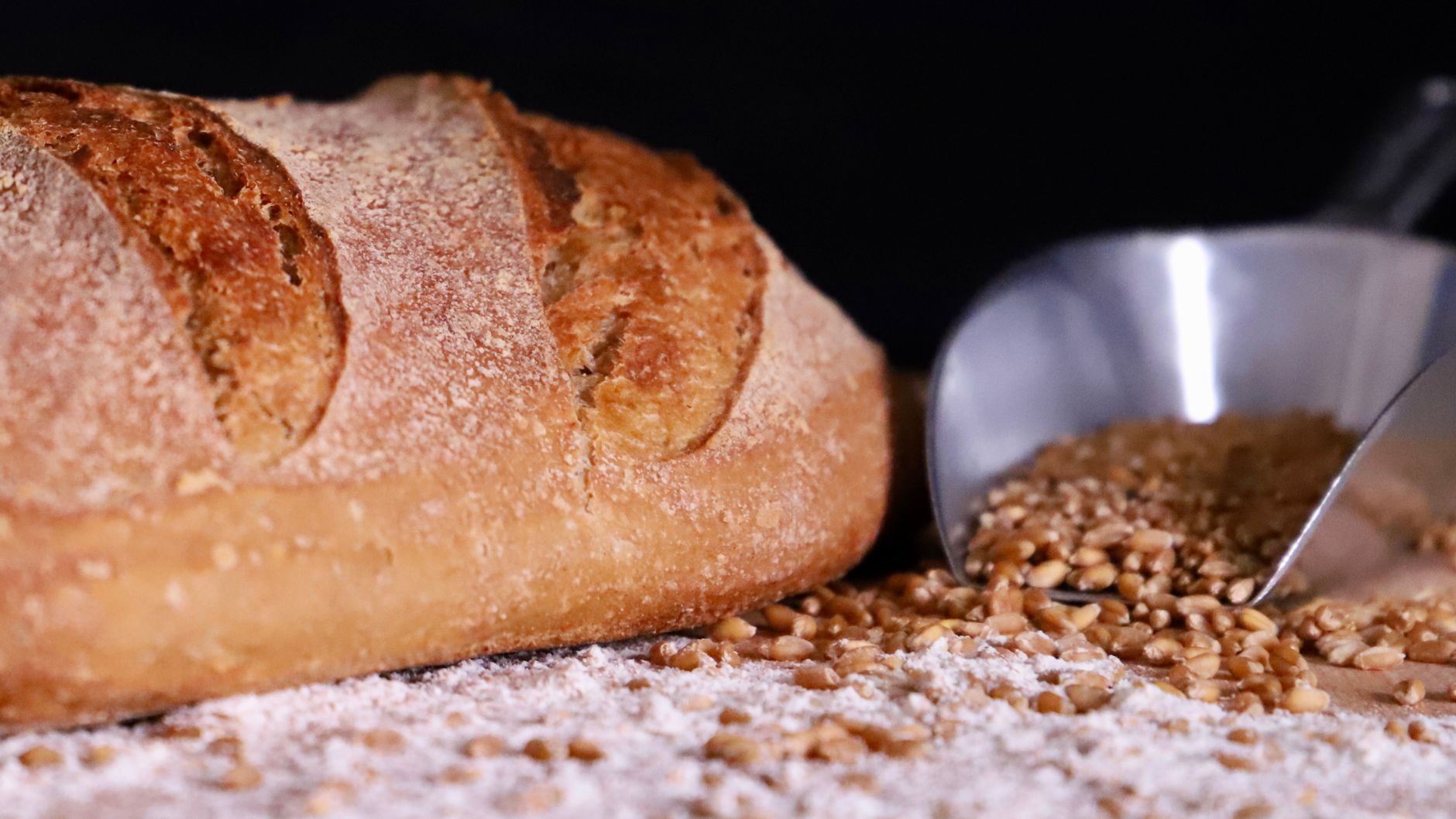
Sourdough bread has seen a significant surge in popularity, thanks to its unique flavor profile and artisanal appeal. But beyond its delicious taste and crusty texture, sourdough bread is often considered a healthier alternative to conventional bread. Understanding the nutritional benefits and the fermentation process behind sourdough helps to clarify why it’s a valuable addition to a balanced diet.
This article will explore the health benefits of sourdough bread, its nutritional values, how it compares to other types of bread, common ingredients, and portion guidelines. Whether you’re a seasoned sourdough baker or simply looking to add healthier options to your diet, this comprehensive guide will provide valuable insights.
Why Is Sourdough Bread Healthy?
Sourdough bread is considered healthy for several reasons, including its unique fermentation process that enhances nutrient bioavailability, promotes gut health, and lowers the glycemic index compared to regular bread. This makes it easier for the body to digest and can contribute positively to overall health.
Understanding Sourdough Bread
Sourdough bread differs from typical yeast breads due to its fermentation process. It uses a natural leavening agent called a sourdough starter, made from flour and water, which captures wild yeast and lactic acid bacteria present in the environment. This starter ferments the dough, producing lactic acid and contributing to the bread’s distinctive sour flavor.
The Fermentation Process
The fermentation process in sourdough bread leads to several health benefits:
- Nutrient Absorption: The fermentation breaks down phytic acid, an antinutrient found in grains that can hinder nutrient absorption. This boosts the availability of minerals such as iron, zinc, and magnesium.
- Improved Digestibility: The natural fermentation process can predigest some of the gluten and starches, making it easier to digest, particularly for those with mild gluten sensitivities.
- Gut Health: The presence of lactic acid bacteria improves gut flora, supporting digestive health and potentially reducing inflammation.
Nutritional Profile of Sourdough Bread
To appreciate why sourdough bread is healthy, it is helpful to understand its nutritional components. While exact values can vary based on the type of flour used and the specific recipe, a general overview of one standard slice of whole wheat sourdough bread (about 28 grams) includes:
- Calories: Approximately 70-80
- Carbohydrates: 15-20 grams
- Protein: 2-4 grams
- Fat: 0-1 gram
- Fiber: 1-3 grams
- Sodium: 125-300 mg
Additionally, sourdough made from whole grain or whole wheat flour offers higher fiber content and essential vitamins compared to white sourdough bread.
Comparison with Other Breads
When compared to conventional breads, sourdough offers several advantages:
- Whole Wheat Bread: Although whole wheat bread contains more fiber than white bread, the fermentation in sourdough can enhance the bioavailability of nutrients, making them easier for the body to absorb.
- White Bread: White bread is often made from refined flour and can have a high glycemic index, causing rapid spikes in blood sugar. Sourdough generally has a lower glycemic index, providing a steadier source of energy.
- Gluten-Free Breads: For individuals with celiac disease or severe gluten intolerance, sourdough is not suitable. However, its digestion properties may benefit those with gluten sensitivity when consumed in moderation.
Portion Guidelines and Serving Suggestions
To enjoy sourdough bread in a healthy manner, consider portion sizes and pairing options. A standard serving of sourdough bread is one slice, which can be a part of a balanced diet:
- Breakfast: Top a slice with avocado and poached eggs for a protein-packed meal.
- Lunch: Use it as a base for sandwiches filled with lean proteins and vegetables.
- Dinner: Serve slices alongside soups or salads to round out the meal.
- Snacks: Enjoy toasted with nut butter or hummus for a satisfying treat.
Ways to Incorporate Sourdough Bread into Your Diet
Here are some ideas on how to incorporate sourdough bread into your daily meals:
- Substitute it for regular bread: Replace white bread in your meals with sourdough for added health benefits.
- Experiment with different toppings: Try various spreads like cream cheese, pesto, or baba ganoush to add flavor without excessive calories.
- Make croutons: Cut stale sourdough into cubes, season, and toast them to use in salads or soups for added texture.
- Prepare French toast: Sourdough makes an excellent choice for French toast, delivering a delicious flavor that pairs nicely with syrup or fruit.
Buying and Storing Sourdough Bread
When purchasing sourdough bread, consider the following tips to maximize its health benefits:
- Look for whole grain options: Opt for whole wheat or rye sourdough to enhance nutritional value.
- Check the ingredients: Avoid breads with unnecessary additives and preservatives; authentic sourdough should contain only flour, water, salt, and the sourdough starter.
- Storage: Store sourdough bread in a paper bag at room temperature for a few days or freeze unused portions for extended shelf life.
Common Mistakes When Baking Sourdough Bread
If you choose to make your own sourdough bread, avoid these common pitfalls:
- Neglecting hydration: Sourdough dough should be fairly wet; too little water can result in dense bread.
- Not respecting fermentation times: Allow adequate time for fermentation for the best flavor and texture. Rushed dough will not develop its full potential.
- Incorrect oven temperature: A hot oven is necessary for proper oven spring. Preheat your oven thoroughly before baking.
- Skipping the scoring step: Scoring the dough before baking allows for controlled expansion in the oven and contributes to a perfect crust.
Benefits of Homemade Sourdough
Creating your own sourdough bread can be incredibly rewarding, offering benefits beyond nutrition:
- Control Over Ingredients: Make adjustments to match your dietary needs and preferences.
- Flavor Customization: Experiment with various flours, herbs, or spices to create unique flavors.
- Cost-Effectiveness: Making sourdough at home can be more economical than consistently purchasing artisanal loaves.
Getting Started with Sourdough Baking
If you’re intrigued by the idea of baking your own sourdough bread, consider starting with a simple recipe. You can find many resources available such as beginner-friendly instructions and tips that elucidate the sourdough process.
One often-recommended starter recipe is available at King Arthur’s Sourdough Recipe, which guides you through the essential steps of creating your own starter and bread.
Conclusion
Sourdough bread not only satisfies your cravings but also contributes to a healthier diet through its fermentation process, enhanced nutrient absorption, and numerous serving options. By incorporating sourdough into your meals, you can enjoy delicious flavors while benefiting your overall health. To get started, consider trying out the various recipes or baking methods available for making your own sourdough bread.
Explore related recipes, cooking tips, and food guides to enhance your culinary knowledge, including what is sourdough and its origins at What Is Sourdough and the King Arthur Sourdough Recipe for DIY inspiration at King Arthur Sourdough Recipe.