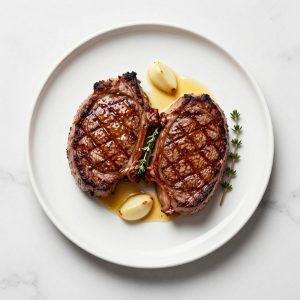
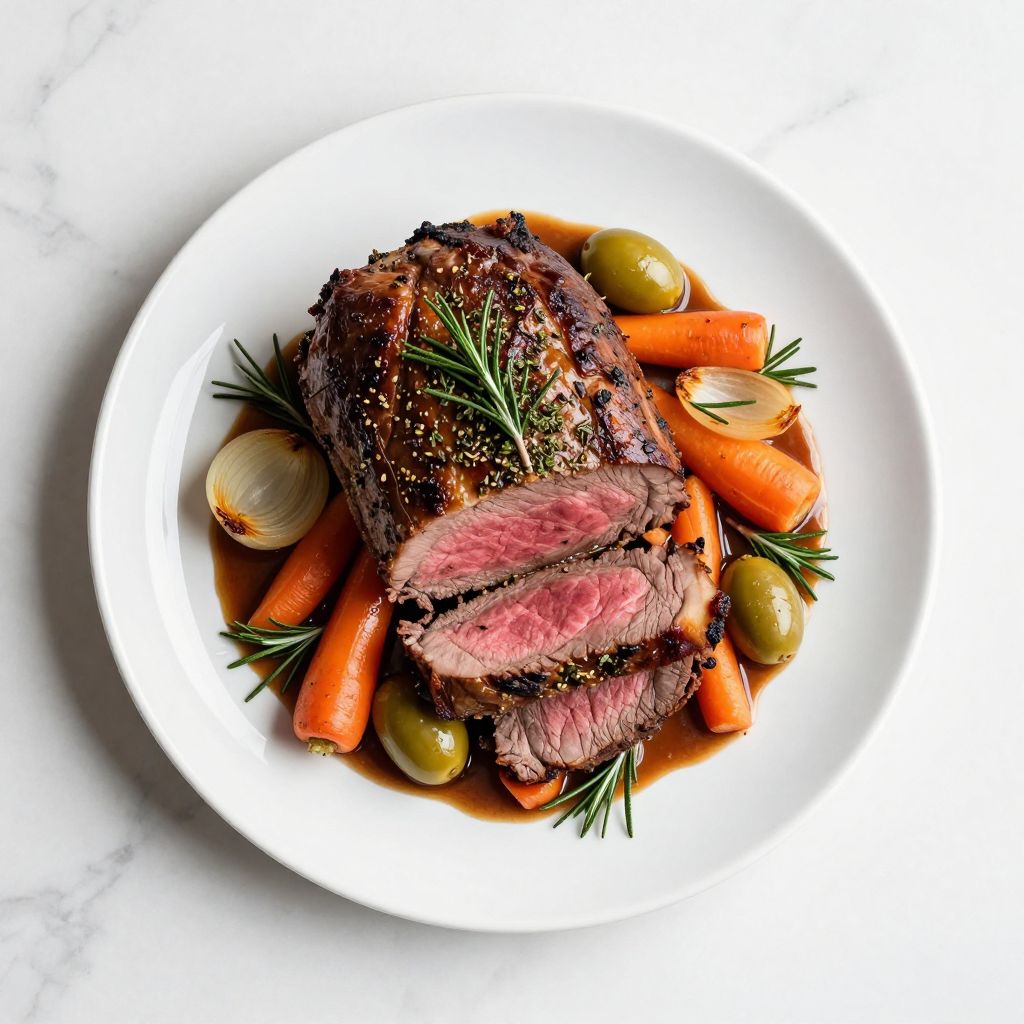
Bottom round roast recipe delivers tender, flavorful beef that transforms an affordable cut into a showstopping dinner. This lean roast from the rear leg of the cow becomes melt-in-your-mouth delicious when cooked low and slow.
Whether you’re feeding a crowd on Sunday or meal prepping for the week, this budget-friendly cut punches well above its price point. Let me walk you through everything you need to know to nail this classic roast every single time.
Why You’ll Love This Recipe
This bottom round roast transforms an economical cut into something truly special with minimal hands-on effort. The slow roasting method does all the heavy lifting while you relax.
- Budget-friendly beef that feeds a hungry family without breaking the bank
- Simple seasoning lets the natural beef flavor shine through
- Leftovers make incredible sandwiches, tacos, and hash for days
- Mostly hands-off cooking time frees you up for other tasks
- Impressive presentation that looks like you spent hours in the kitchen
My Experience Making This Recipe
I’ll be honest with you. My first attempt at bottom round roast years ago produced something resembling a leather boot, and my family has never let me forget it.
After plenty of trial and error, I discovered the secrets to keeping this lean cut juicy. The key revelation was treating it completely differently than a fatty prime rib.
Now this roast has become my go-to for Sunday dinners and holiday gatherings. The aroma of beef, garlic, and herbs filling the kitchen makes the whole house feel cozy, and the compliments from guests never get old.
Recipe Overview
- Recipe Name: Bottom Round Roast
- Servings: 8 servings
- Prep Time: 20 minutes
- Cook Time: 2 hours 30 minutes
- Total Time: 2 hours 50 minutes plus resting
- Course: Main Dish
- Cuisine: American
- Calories per Serving: 285 calories
Equipment You Will Need
- Large roasting pan with rack
- Meat thermometer (instant read preferred)
- Sharp carving knife
- Cutting board with juice grooves
- Aluminum foil for tenting
- Small mixing bowl for seasoning blend
- Kitchen twine if roast needs tying
- Basting brush or spoon
Ingredients for Bottom Round Roast
For the Roast
- 3 to 4 pound bottom round roast, brought to room temperature
- 3 tablespoons olive oil
- 6 cloves garlic, minced
- 2 teaspoons kosher salt
- 1 teaspoon black pepper, freshly ground
- 1 tablespoon fresh rosemary, finely chopped
- 1 tablespoon fresh thyme leaves
- 1 teaspoon onion powder
- 1/2 teaspoon smoked paprika
For the Pan
- 1 cup beef broth, low sodium
- 1 medium onion, quartered
- 3 carrots, cut into large chunks
- 3 celery stalks, cut into large pieces
Ingredient Notes and Substitutions
- Bottom round roast: This lean cut comes from the cow’s rear leg and needs slow cooking to become tender. Eye of round or rump roast work as alternatives, though cooking times may vary slightly.
- Fresh herbs: Fresh rosemary and thyme provide aromatic depth that dried herbs struggle to match. If using dried, reduce quantities by half since dried herbs pack more concentrated flavor.
- Olive oil: The oil helps the seasoning adhere and promotes browning on the exterior. Avocado oil or melted butter work equally well here.
- Beef broth: This creates steam and prevents the pan drippings from burning during roasting. Red wine, stock, or even water can substitute in a pinch.
- Smoked paprika: Adds subtle smokiness and beautiful color to the crust. Regular paprika or a pinch of cayenne can replace it.
How to Make Bottom Round Roast
Step 1: Bring the Roast to Room Temperature
Remove your bottom round roast from the refrigerator 1 to 2 hours before cooking. A room temperature roast cooks more evenly from edge to center, preventing that dreaded gray ring of overcooked meat around a cold middle.
Step 2: Preheat Your Oven
Set your oven to 450 degrees Fahrenheit for the initial sear. This high heat creates the flavorful brown crust through the Maillard reaction, which gives roasted meat that irresistible savory flavor.
Step 3: Prepare the Seasoning Blend
Combine the minced garlic, salt, pepper, rosemary, thyme, onion powder, and smoked paprika with olive oil in a small bowl. Mix until you have a thick, spreadable paste that will coat every inch of your roast.
Step 4: Season the Roast Generously
Pat the roast completely dry with paper towels, since moisture prevents browning. Rub the seasoning paste all over the meat, pressing it into every surface and any crevices.
Step 5: Prepare the Roasting Pan
Scatter the onion, carrots, and celery in the bottom of your roasting pan. These aromatics serve double duty as a natural rack and as flavor building blocks for your pan gravy.
Pour the beef broth into the pan, being careful not to splash the vegetables. Place the seasoned roast on top of the vegetable bed.
Step 6: Sear at High Heat
Roast at 450 degrees Fahrenheit for 15 minutes to develop that gorgeous brown crust. You should hear sizzling and smell the garlic and herbs getting toasty, which means the magic is happening.
Step 7: Reduce Heat and Slow Roast
Lower the oven temperature to 325 degrees Fahrenheit without opening the door. Continue roasting for approximately 20 minutes per pound, or until your meat thermometer reads 130 degrees Fahrenheit for medium rare.
The low and slow approach allows the collagen in this tough cut to break down gradually. Rushing this step is how you end up with chewy, disappointing roast beef.
Step 8: Rest Before Carving
Remove the roast when it reaches 5 degrees below your target temperature since carryover cooking will finish the job. Tent loosely with foil and let it rest for at least 15 to 20 minutes.
Resting allows the muscle fibers to relax and reabsorb the juices. Skip this step and all that flavorful liquid ends up on your cutting board instead of in your mouth.
Step 9: Slice Against the Grain
Identify the direction of the muscle fibers running through the meat. Slice perpendicular to those fibers in thin slices, which shortens the muscle strands and makes each bite tender.
Pro Tip: Use the resting time to make a quick pan gravy from the drippings and vegetables. Strain the liquid, whisk in a slurry of 2 tablespoons flour mixed with 1/4 cup cold water, and simmer until thickened.
Tips for the Best Bottom Round Roast
- Always use a meat thermometer rather than relying on time alone, since oven temperatures and roast shapes vary wildly.
- Dry brine overnight by salting the roast and refrigerating uncovered, which seasons deeply and creates a drier surface for better browning.
- Tie your roast with kitchen twine if it has an irregular shape to promote even cooking throughout.
- Resist the urge to open the oven door repeatedly, as each peek drops the temperature significantly.
- Slice only what you plan to serve immediately, keeping the rest whole to maintain moisture for leftovers.
- Let your carving knife do the work with long, smooth strokes rather than sawing back and forth.
Common Mistakes to Avoid
- Cooking straight from the fridge: A cold roast cooks unevenly, leaving you with overcooked edges and an undercooked center.
- Skipping the rest period: Cutting too soon releases all those precious juices onto the cutting board instead of into each slice.
- Overcooking past medium: Bottom round becomes tough and dry when cooked beyond medium because it lacks the fat marbling to stay moist.
- Slicing with the grain: This leaves you with long, chewy muscle fibers that require excessive jaw work.
- Using a dull knife: A dull blade tears the meat and squeezes out juices rather than making clean cuts.
Serving Suggestions
This roast deserves accompaniments that complement its rich, beefy flavor without competing for attention. Keep sides relatively simple so the star of the show can shine.
- Creamy mashed potatoes with the pan gravy ladled generously on top
- Roasted root vegetables like parsnips, turnips, and sweet potatoes
- Yorkshire pudding for a classic British pairing
- Horseradish cream sauce for a sharp, spicy contrast
- Simple green salad with red wine vinaigrette to cut the richness
Variations to Try
- Italian style: Season with oregano, basil, sun dried tomatoes, and Parmesan for a Mediterranean twist that pairs beautifully with polenta.
- Coffee crusted: Add 2 tablespoons finely ground coffee to your rub for an earthy, slightly bitter crust that beef lovers adore.
- Asian inspired: Marinate in soy sauce, ginger, and five spice powder, then serve sliced thin over rice with pickled vegetables.
- Cajun spiced: Use a bold Cajun seasoning blend with plenty of cayenne for a Southern kick that wakes up the taste buds.
- Herb crusted: Press a mixture of breadcrumbs, Parmesan, and fresh herbs onto the surface during the last 20 minutes for added texture.
Dietary Adaptations
- Gluten free: This recipe is naturally gluten free as written, just use gluten free flour or cornstarch if making gravy from the drippings.
- Dairy free: The base recipe contains no dairy, making it suitable without any modifications needed.
- Low carb and keto: Serve without starchy sides and thicken any gravy with xanthan gum instead of flour for a keto friendly meal.
- Whole30 compliant: Use compliant beef broth and serve with roasted vegetables for a Whole30 approved dinner.
Storage and Reheating
Refrigerator
Properly stored leftover roast beef stays fresh and delicious for several days.
- Store sliced or whole roast in an airtight container for up to 4 days
- Keep any leftover gravy in a separate container
- Add a splash of beef broth to the container to help maintain moisture
Freezer
Freezing extends the life of your roast significantly when done correctly.
- Wrap tightly in plastic wrap, then aluminum foil to prevent freezer burn
- Freeze for up to 3 months for best quality
- Slice before freezing for easier portioning and faster thawing
Reheating
Gentle reheating prevents your tender roast from turning into jerky.
- Reheat slices in a skillet with a splash of broth over medium low heat
- For oven reheating, cover with foil and warm at 250 degrees Fahrenheit until heated through
- Avoid the microwave if possible, as it tends to create tough, rubbery edges
Nutrition Information
| Nutrient | Amount |
|---|---|
| Calories | 285 |
| Total Fat | 12g |
| Saturated Fat | 4g |
| Carbohydrates | 4g |
| Fiber | 1g |
| Sugar | 2g |
| Protein | 38g |
| Sodium | 480mg |
| Cholesterol | 95mg |
Nutritional values are estimates based on a 4 ounce serving of cooked roast beef and may vary based on specific ingredients and portion sizes.
Frequently Asked Questions
Can I make bottom round roast in a slow cooker?
Absolutely, and the low heat actually suits this cut perfectly. Sear the roast first in a hot skillet, then cook on low for 8 hours with your liquid and aromatics.
How do I know when the roast is done without a thermometer?
I strongly recommend investing in a thermometer since they cost under fifteen dollars and eliminate guesswork. The poke test and timing alone are unreliable for achieving consistent results with lean cuts.
Why is my bottom round roast tough?
The most common culprit is overcooking beyond medium doneness. This lean cut lacks the intramuscular fat to stay tender when cooked well done, so aim for medium rare to medium at most.
Can I sear the roast in a pan instead of the oven?
Yes, searing in a hot cast iron skillet gives you excellent browning and more control. Just get the pan screaming hot and sear for 2 to 3 minutes per side before transferring to your roasting pan.
What internal temperature should I aim for?
Pull the roast at 125 to 130 degrees Fahrenheit for medium rare, or 135 to 140 degrees for medium. Remember that carryover cooking will add another 5 degrees during resting.
Final Thoughts
Mastering a bottom round roast recipe means you can produce impressive Sunday dinners without spending prime rib money. The techniques you’ve learned here work because they respect what this cut needs: gentle heat, proper resting, and thin slicing against the grain.
Give this recipe a try for your next family gathering or meal prep session. Once you taste how tender and flavorful an affordable bottom round can be, you’ll wonder why you ever bothered with pricier cuts for everyday cooking.
Bottom Round Roast
Ingredients
Equipment
Method
- Remove your bottom round roast from the refrigerator 1 to 2 hours before cooking to bring it to room temperature. A room temperature roast cooks more evenly from edge to center.
- Preheat your oven to 450 degrees Fahrenheit for the initial sear. This high heat creates the flavorful brown crust through the Maillard reaction.
- Combine the minced garlic, salt, pepper, rosemary, thyme, onion powder, and smoked paprika with olive oil in a small bowl. Mix until you have a thick, spreadable paste.
- Pat the roast completely dry with paper towels. Rub the seasoning paste all over the meat, pressing it into every surface and any crevices.
- Scatter the onion, carrots, and celery in the bottom of your roasting pan. Pour the beef broth into the pan, being careful not to splash the vegetables. Place the seasoned roast on top of the vegetable bed.
- Roast at 450 degrees Fahrenheit for 15 minutes to develop a gorgeous brown crust.
- Lower the oven temperature to 325 degrees Fahrenheit without opening the door. Continue roasting for approximately 20 minutes per pound, or until your meat thermometer reads 130 degrees Fahrenheit for medium rare.
- Remove the roast when it reaches 5 degrees below your target temperature. Tent loosely with foil and let it rest for at least 15 to 20 minutes.
- Identify the direction of the muscle fibers running through the meat. Slice perpendicular to those fibers in thin slices and serve.