
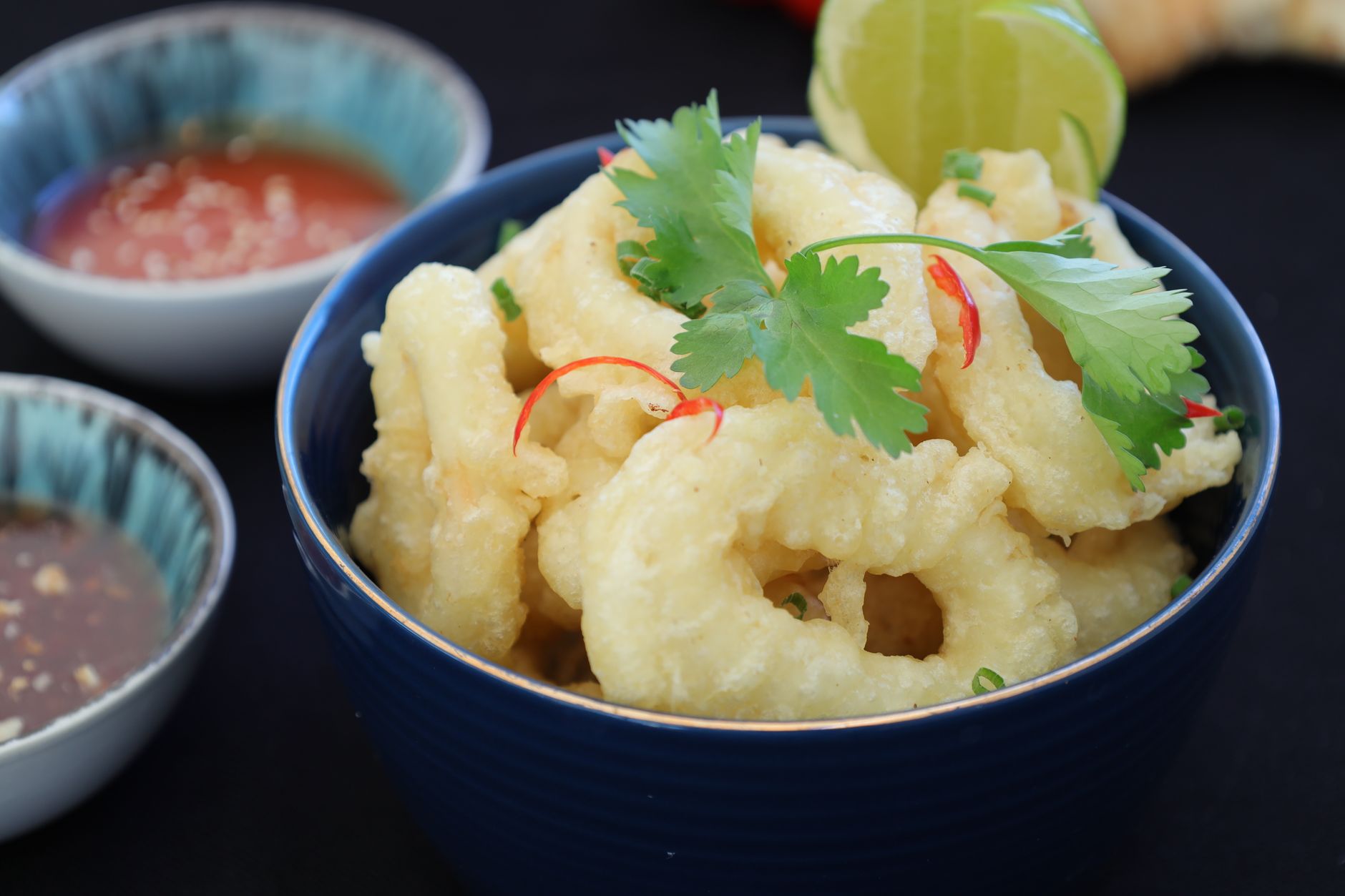
Calamari, a beloved dish in many cuisines, features tender squid that can be prepared in various ways, primarily by frying, grilling, or braising. The dish is known for its subtle briny flavor and satisfying texture, making it popular as an appetizer or main course. Understanding how calamari is made will help you appreciate its culinary versatility and inspire you to prepare it at home.
This article will delve into the ingredients needed, the method of preparation, serving tips, and potential variations for calamari. Whether you’re a seafood enthusiast or looking to impress guests, this guide will provide the knowledge and confidence to cook delicious calamari.
How Is Calamari Made?
Calamari is made through careful preparation of squid, which involves cleaning, cutting, and cooking. The primary components include fresh squid, seasonings, and several cooking methods such as frying or grilling. The result is a dish that boasts a crisp exterior with a tender inside, perfect for various occasions.
Ingredients for Making Calamari
- Fresh squid (about 1 pound)
- All-purpose flour (1 cup)
- Cornstarch (1/2 cup, optional for extra crispiness)
- Salt (1 teaspoon)
- Pepper (1/2 teaspoon)
- Garlic powder (1 teaspoon, optional)
- Cayenne pepper (1/4 teaspoon, optional for heat)
- Lemon wedges (for serving)
- Olive oil or vegetable oil (for frying, about 4 cups)
- Fresh parsley, chopped (for garnish, optional)
Essential Equipment
- Large pot or deep fryer (for frying)
- Cutting board and knife (for cleaning and cutting squid)
- Bowl (for mixing flour and seasonings)
- Tongs or slotted spoon (for handling squid during frying)
- Paper towels (for draining excess oil)
- Serving platter or dish
Method for Preparing Calamari
- Clean the squid: Begin by rinsing the fresh squid under cold water. Remove the head by pulling it away from the body, ensuring you also remove the ink sac and internal organs. Remove the skin, if necessary, by peeling it off the body. Cut the tentacles just below the eyes, then set aside. Slice the squid body into rings about 1/2 inch thick.
- Prepare the coating: In a bowl, combine the all-purpose flour, cornstarch, salt, pepper, garlic powder, and cayenne pepper. Whisk the ingredients together to ensure they are evenly mixed.
- Heat the oil: In a large pot or deep fryer, heat the oil to 350°F (175°C). Use a thermometer to monitor the temperature, as maintaining the right heat is crucial for achieving crispy calamari without being greasy.
- Coat the squid: Dredge the squid rings and tentacles in the flour mixture, ensuring they are evenly coated. Shake off any excess flour before frying, as excess coating can lead to clumping.
- Fry the calamari: Carefully add a handful of coated squid to the hot oil, avoiding overcrowding the pot. Fry for about 1 to 2 minutes, or until the calamari turns golden brown. The squid cooks quickly, so monitor them closely to prevent overcooking, which can result in a rubbery texture.
- Drain and season: Using tongs or a slotted spoon, remove the fried calamari from the oil and place them on a paper towel-lined plate to drain excess oil. Season with a sprinkle of salt immediately while hot.
- Garnish and serve: Transfer the fried calamari to a serving platter. Garnish with chopped fresh parsley and serve hot with lemon wedges on the side for squeezing over the top.
Common Mistakes When Making Calamari
- Overcooking: Frying calamari for too long will make it rubbery. Aim for a quick fry to keep the squid tender.
- Under-seasoning: Ensure that your flour mixture is well-seasoned. This enhances the flavor of the calamari and prevents it from tasting bland.
- Not drying the squid: After cleaning, pat the squid dry with paper towels before coating. Excess moisture can cause the coating to become soggy.
- Overcrowding the fryer: Fry in small batches to maintain the oil temperature and achieve an even cook.
Calamari Variations
Calamari can be prepared in various styles that respect different regional cuisines. Here are a few popular variations:
Grilled Calamari
For a healthier option, calamari can be marinated with olive oil, lemon juice, garlic, and herbs then grilled over medium-high heat. This method enhances the natural flavor while leaving a pleasant charred taste.
Stuffed Calamari
This version involves filling the squid tubes with a mixture of breadcrumbs, herbs, garlic, and possibly seafood or vegetables, then baking or simmering them in a sauce.
Calamari Salad
Cooked calamari can also be sliced and tossed in salads with mixed greens, fresh vegetables, olives, and a light vinaigrette for a refreshing dish.
Serving Tips for Calamari
Calamari can be served in various ways that enhance its appeal. Here are some serving suggestions:
- Pair calamari with a variety of dipping sauces such as marinara, aioli, or a spicy chili sauce for an exciting flavor contrast.
- For a classic touch, serve fried calamari with a traditional lemon wedge. The acidity cuts through the richness of the fried coating.
- Consider serving calamari alongside a fresh arugula salad for a balance of textures and flavors.
- Garnish with freshly chopped herbs to elevate the visual appeal and add freshness.
Make-Ahead and Storage Guidance
While fresh calamari is best enjoyed immediately after cooking, certain components can be prepared ahead of time:
- Cleaning the squid: Clean and prepare squid in advance, storing them in the refrigerator wrapped in paper towels in an airtight container for up to one day.
- Coating mixture: Mix the flour and seasonings ahead and store it in a sealed container until you are ready to fry the calamari.
Leftover fried calamari should ideally be consumed on the same day. If necessary, store it in an airtight container in the refrigerator for no more than 24 hours. Reheat in an oven or air fryer to regain crispness, as microwaving may render it soggy.
Tips for Selecting Fresh Squid
When purchasing squid, consider the following tips to ensure you select the freshest product:
- Look for squid with a clean, slightly shiny appearance, free from any discoloration or unpleasant odors.
- Fresh squid should have a mild briny scent, reminiscent of the ocean, rather than a strong fishy smell.
- Check for firmness; fresh squid should be firm to the touch and not slimy.
Troubleshooting Common Issues
When preparing calamari, you may encounter some common issues. Here are solutions:
- If calamari is chewy, it usually resulted from overcooking. Ensure a quick fry for tenderness.
- If your calamari coating is falling off, ensure that the squid is dry before dredging and manage your oil temperature to avoid steaming.
Understanding how calamari is made enhances both skills in the kitchen and appreciation for this delightful dish. Whether you’re serving it at a dinner party or enjoying it as a casual appetizer, calamari offers versatility that can adapt to any culinary style.
Explore more delicious culinary options with our other recipes and cooking guides, such as our Squid Game Cookie Recipe or learn how to make Pickled Shrimp for further culinary adventures.