
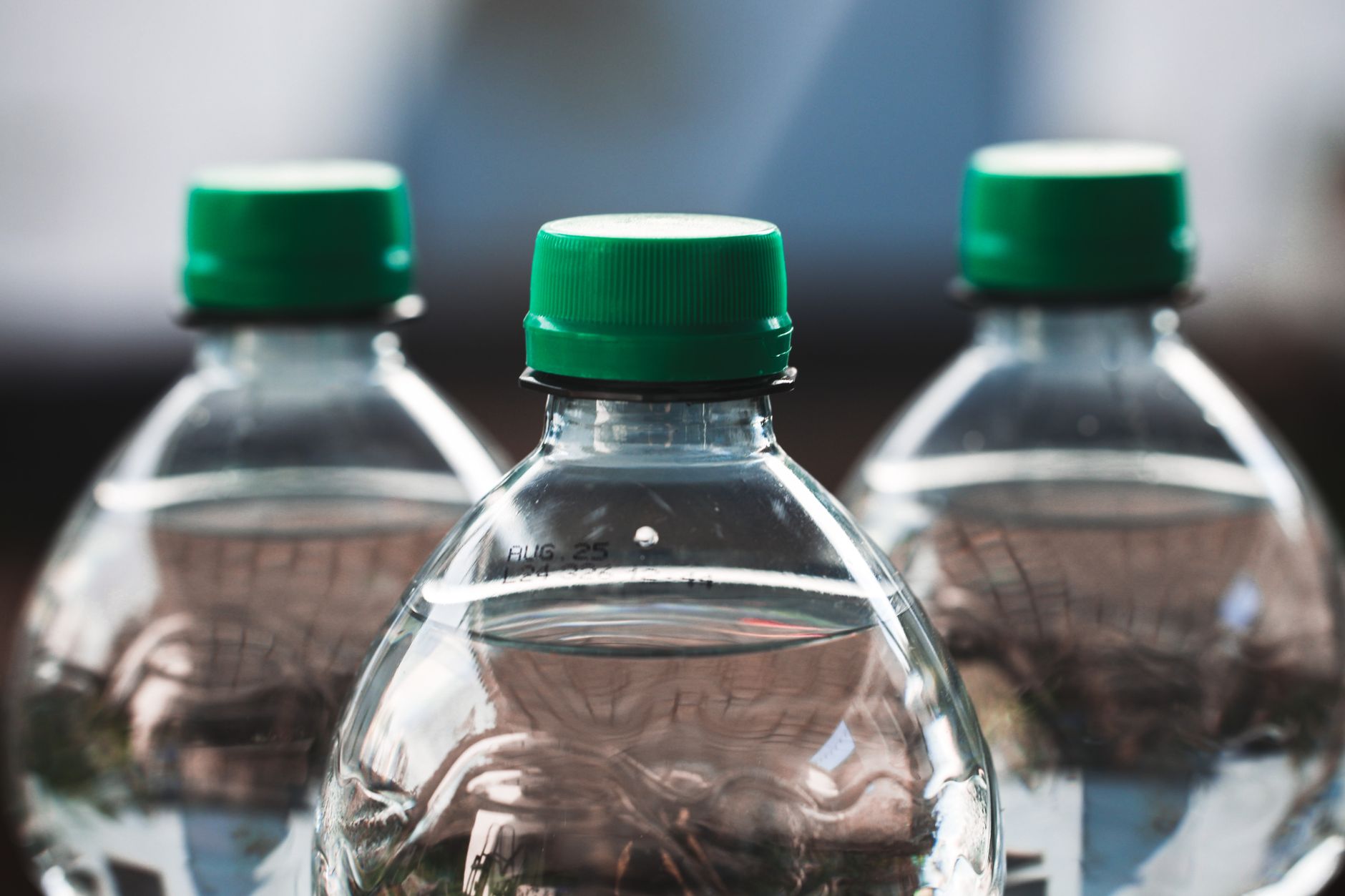
Water is essential for life, and with many of us relying on bottled water or stored water for hydration, a common question arises: does water ever expire? While water itself does not spoil or expire in the traditional sense, the storage containers and the conditions in which it is held can affect its quality over time.
In this article, we will explore the longevity of water, how it can be stored properly, and the signs that indicate potential spoilage. Understanding these factors will help you maintain the quality of your water and ensure it remains safe for consumption.
Does Water Ever Expire?
Water itself cannot expire as it does not support microbial growth like food does. However, the quality of water can degrade over time, especially if it is stored improperly or in unsuitable containers. Factors such as exposure to sunlight, heat, and contaminants can lead to changes in taste and safety.
Understanding Water Storage
The way water is stored plays a critical role in its longevity and quality. Bottled water typically comes in plastic containers, which can absorb chemicals over time, especially if stored in high temperatures. Here are some key points to consider when storing water:
- Container Material: Use food-grade plastic, glass, or stainless steel for stored water. Avoid storing water in containers that may leach harmful chemicals into the water.
- Storage Temperature: Water should be stored in a cool, dark place away from direct sunlight and heat sources. Excessive heat can degrade the quality of the container over time.
- Cleanliness: Ensure water containers are clean and sanitized before filling them. This helps prevent contamination that could affect the water’s safety.
Factors that Affect Water Quality
Several factors can contribute to changes in the quality of stored water. Understanding these can help you maintain its freshness:
1. Container Type
Different materials have different shelf lives and storage characteristics. Plastic containers, especially those not designed for long-term use, may leach chemicals into water, affecting taste and safety. Glass and stainless steel containers are more stable.
2. Temperature**
High temperatures can lead to chemical leaching from plastics as well as the potential growth of microorganisms. Conversely, very low temperatures can cause freezing, which may expand the water and damage the container.
3. Exposure to Light
Light can promote algae growth and lead to chemical breakdown in certain types of plastic. Thus, it’s beneficial to keep stored water in a dark environment.
Signs of Water Spoilage
While water does not spoil in the conventional sense, there are signs that indicate a change in its quality:
- Unpleasant Odor: If the water emits a strange or foul smell, it could indicate contamination or that the container is degrading.
- Cloudiness or Sediment: Water should be clear. If you notice cloudiness, particles, or sediment at the bottom, it’s best to discard it.
- Strange Taste: A noticeably off taste can suggest that chemical leaching has occurred or that the water has been contaminated.
Best Practices for Storing Water
To ensure that your water remains safe and pleasant to drink, follow these best practices:
1. Use Appropriate Containers
Always opt for containers made from non-toxic materials. Food-grade plastic is suitable for short-term storage, while glass or stainless steel is better for long-term use.
2. Keep it Cool and Dark
Store your water in a cool, dark place, away from heat sources and direct sunlight. A pantry or cellar is a great option for storing larger quantities.
3. Rotate Your Supply
Use a first-in, first-out approach. Consume older water first and refill with fresh water. This practice is especially important if you are storing water for emergency situations.
4. Regularly Inspect Stored Water
Periodically check your stored water for any signs of spoilage, including odor, taste, and appearance. If anything seems off, it’s best to toss it out.
How Long Does Water Last?
In ideal circumstances, the shelf life of stored water can vary based on how it is stored. Here’s a general timeline depending on the type of water and storage method:
- Bottled Water: Commercially bottled water typically has a shelf life of 1-2 years from the date of bottling, as indicated by the expiration date on the label.
- Tap Water: Properly bottled tap water can last indefinitely if kept in a cool, dark place and in a clean, safe container.
- Emergency Water Supplies: For long-term emergency supplies, water should ideally be stored in glass or food-grade plastic containers, and it’s good practice to change it out every 6-12 months.
Emergency Water Storage
This section is vital for anyone planning for emergencies or natural disasters. Having fresh water can be a lifesaver, so understanding storage methods specifically for this purpose is crucial.
1. Choose the Right Containers
When preparing for emergencies, consider using high-density polyethylene (HDPE) containers or food-grade water storage tanks. Avoid using containers that previously held chemicals or non-food products.
2. Prepare the Water
If you are using tap water, treat it with unscented household bleach (5-6% sodium hypochlorite) to kill any potential pathogens. Add 8 drops per gallon, stir, and let it stand for 30 minutes before sealing the containers. If it does not have a slight bleach smell, repeat the process.
3. Label and Date Containers
Clearly label your containers with the storage date, so you can easily keep track of when it needs to be replaced. This will help you achieve a consistent rotation.
4. Store Strategically
Store your emergency water supplies in a location that is easily accessible, yet protected from extreme temperatures and potential contamination.
Repackaging Water
If you have stored water that shows signs of spoilage or if it has surpassed its recommended shelf life, here’s how you can repack water safely:
- Clean Containers Thoroughly: Use hot, soapy water to wash out the containers and rinse them well. You can also sanitize with a bleach solution (1 tablespoon of bleach per gallon of water).
- Fill with Fresh Water: After ensuring containers are clean and dry, fill them with either tap water or filtered water. Always use fresh water supplies for the best results.
- Seal and Store: Seal your water containers tightly and store them in your predetermined safe location, following the tips outlined earlier.
What About Flavored or Enhanced Water?
Flavored and enhanced water products may contain preservatives, natural flavors, or sugars. Unlike plain water, these products have a shorter shelf life due to ingredients that can spoil. Always check the expiration date on flavored water, and if it shows signs of separation, an unpleasant odor, or an off taste, it is best to discard it.
Conclusion
Water is a fundamental resource that does not expire, but its quality can diminish based on how it’s stored and the materials used. By following the proper storage practices and being aware of potential spoilage signs, you can ensure that your water remains fresh and safe for consumption. Remember to routinely check your water supplies and keep up with proper sanitation practices to make the most of this essential resource.
For further guidance on food safety and preparation, explore our articles on the best bottled water to drink and whether food coloring expires.