
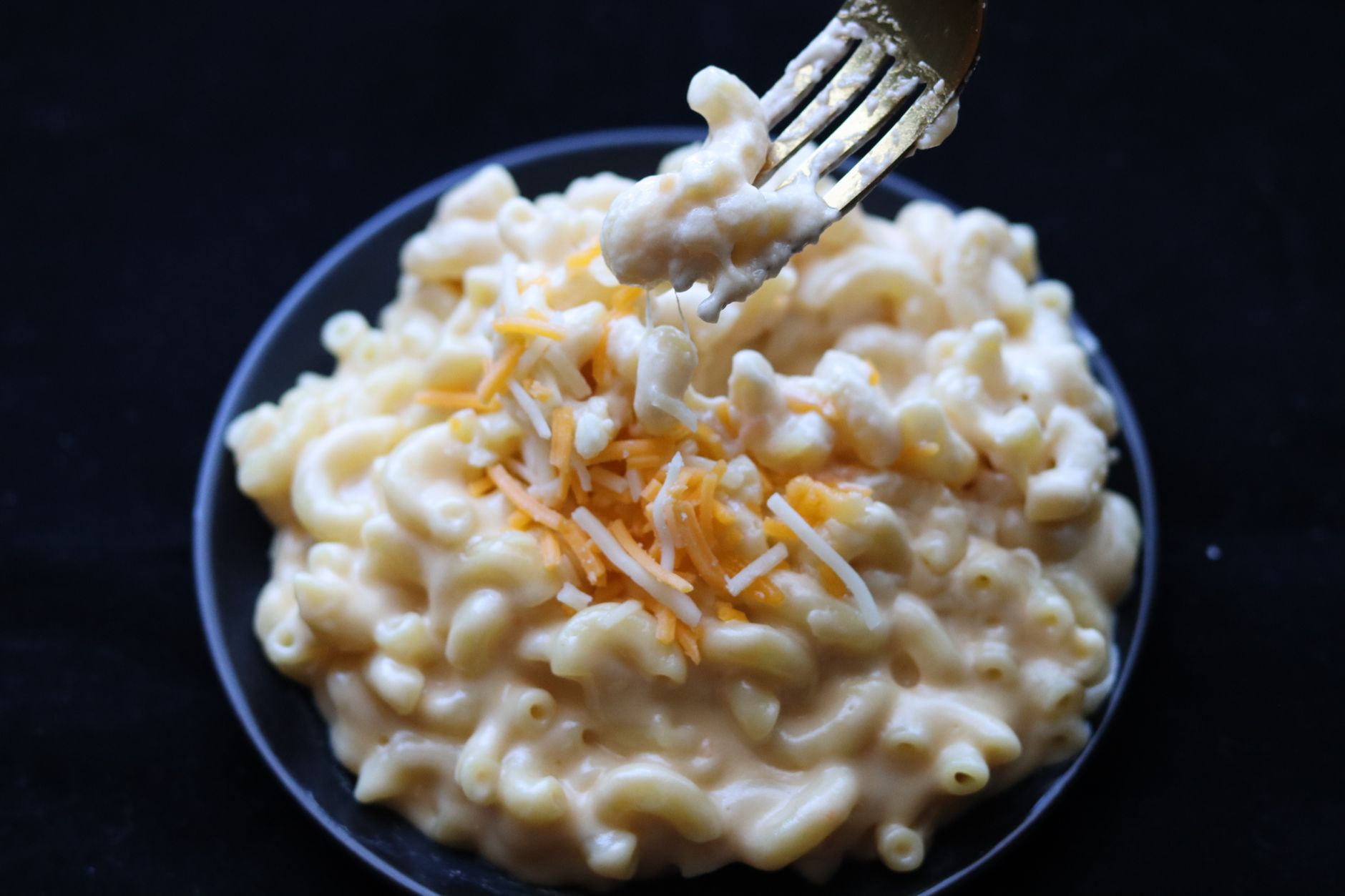
Mac and cheese is a beloved comfort food that brings warmth and satisfaction with every creamy bite. This classic dish combines pasta with a rich cheese sauce, often evoking nostalgia and indulgence. However, those looking to enjoy mac and cheese may wonder about the calorie content and how it fits into their dietary plans.
Understanding the calorie content in mac and cheese is essential for meal planning and maintaining a balanced diet. This article will provide an in-depth look at the calories in mac and cheese, including different preparation methods, portion sizes, and tips for making healthier versions without sacrificing taste.
How Many Calories Is Mac and Cheese?
The calorie content in mac and cheese varies significantly depending on ingredients and preparation methods. On average, one serving (about one cup) of traditional mac and cheese contains approximately 300 to 400 calories. However, variations with added ingredients or different cheese types can increase this number significantly.
Typical Ingredient Breakdown
Understanding the ingredients that contribute to the caloric content of mac and cheese helps inform healthier choices. Here are the primary components:
- Pasta: The primary foundation of mac and cheese, usually made from refined wheat, has an average of 200 calories per cooked cup.
- Cream or Milk: The use of whole milk or heavy cream adds richness and calories, typically ranging from 50 to 150 calories per half cup.
- Cheese: Cheddar is the most common cheese used, with about 110 calories per ounce. Other cheeses may vary, impacting the total calorie count.
- Butter: Used for flavor and creaminess, butter contains about 100 calories per tablespoon.
- Toppings: Ingredients like breadcrumbs or bacon can add additional calories and vary widely depending on preparation.
Understanding Different Preparations
The calorie count in mac and cheese can fluctuate based on how the dish is prepared. Here’s a look at various common styles:
1. Traditional Baked Mac and Cheese
Typically made with a cheese sauce that combines butter, flour, milk, and cheese, baked mac and cheese can be more calorie-dense due to the added butter and the baking process. One serving can range from 350 to 500 calories.
2. Stovetop Mac and Cheese
Prepared by cooking pasta and mixing it with cheese sauce on the stovetop, this method usually contains fewer calories than the baked version, averaging around 300 to 400 calories per serving. However, variations in sauce thickness and ingredients can change these numbers.
3. Instant Mac and Cheese
Convenient and quick, instant mac and cheese packets generally contain around 300 to 400 calories per serving. They often have added preservatives and lower-quality cheese, impacting taste and nutrition.
4. Light or Healthy Versions
Some recipes substitute traditional ingredients for healthier options, such as low-fat milk, reduced-fat cheese, or whole-grain pasta. These alternatives can reduce the calorie count to approximately 200 to 300 calories per serving while still providing flavor.
Portion Control and Serving Sizes
The serving size for mac and cheese plays a crucial role in determining calorie intake. A standard serving is typically one cup, but people often serve themselves larger portions. Here are some tips for managing portion sizes:
- Measure out servings: Use measuring cups to serve one cup of mac and cheese, especially when dining out or finishing off leftovers.
- Pair with vegetables: Adding steamed broccoli, spinach, or peas can help fill you up while adding minimal calories.
- Share with others: Sharing a larger portion can reduce individual calorie intake while still enjoying the dish.
Calorie Comparison: Homemade vs. Store-Bought
Homemade mac and cheese can be tailored to your dietary needs, while store-bought versions often come with hidden calories. Here’s a quick comparison:
| Type | Calories per Serving | Notes |
|---|---|---|
| Homemade Baked Mac and Cheese | 350 – 500 | Dependent on cheese, milk, and butter used. |
| Stovetop Homemade Mac and Cheese | 300 – 400 | Calories vary based on mix-ins. |
| Instant Mac and Cheese | 300 – 400 | May contain additives and preservatives. |
| Frozen Mac and Cheese | 350 – 600 | Varies by brand, often higher calorie. |
Tips for Making Healthier Mac and Cheese
If you love mac and cheese but want to lighten it up, here are some creative ways to reduce calories:
- Use Whole-Grain Pasta: Switching to whole-grain pasta adds fiber and nutrients, providing a more filling option without adding many calories.
- Incorporate Vegetables: Adding pureed butternut squash or cauliflower to the cheese sauce can enhance creaminess while lowering calories.
- Opt for Low-Fat Dairy: Substitute full-fat cheese and milk with low-fat or dairy alternatives to cut down on calories and fat content.
- Season with Spices: Enhance flavor with spices like garlic powder, paprika, or mustard powder instead of relying solely on cheese.
Common Mistakes When Making Mac and Cheese
Even experienced cooks can make mistakes when preparing mac and cheese. Here are common pitfalls and how to avoid them:
- Overcooking the Pasta: Cook pasta until just al dente, as it will continue cooking in the oven or on the stove, preventing a mushy texture.
- Using Too Much Cheese: While cheese is central, excessive amounts can lead to an overly greasy and heavy dish. Stick to a reasonable quantity for the best flavor.
- Neglecting Sauce Consistency: Achieving the right cheese sauce consistency is crucial. It should be creamy, not too watery. Balance ingredients accordingly.
- Not Seasoning Properly: Adequate seasoning of the cheese sauce can elevate the entire dish. Don’t skip the salt and pepper!
Strategies for Meal Planning with Mac and Cheese
Mac and cheese can fit into a meal-prepping plan with some thoughtful strategies. Consider the following:
- Batch Cooking: Make a large batch of mac and cheese, then portion it out for meals throughout the week.
- Freezing Extra Portions: Homemade mac and cheese can be frozen for up to three months. Ensure it’s airtight to prevent freezer burn.
- Mix and Match with Proteins: Pairing mac and cheese with proteins like grilled chicken or shrimp can create balanced meals with varied flavors.
Reheating Mac and Cheese
Reheating mac and cheese can lead to changes in texture if not done correctly. Here are reliable methods:
- Oven: Preheat the oven to 350°F (175°C), place mac and cheese in a baking dish, add a splash of milk, and cover with foil. Heat for about 20-30 minutes until warmed through.
- Microwave: Use a microwave-safe dish, add a little milk, cover loosely, and heat in intervals, stirring between until hot.
Conclusion
Mac and cheese is a versatile and comforting dish that can be enjoyed in various forms. With an understanding of calorie counts and ingredients, you can make informed choices that align with your dietary goals. With a few adjustments and tips, you can continue enjoying this classic dish while monitoring your caloric intake. Consider using whole grain pasta, low-fat ingredients, and incorporating vegetables to create a lighter yet satisfying meal.
For more culinary insights, explore our guides on calorie content in pho or discover perfect pairings with mac and cheese.