
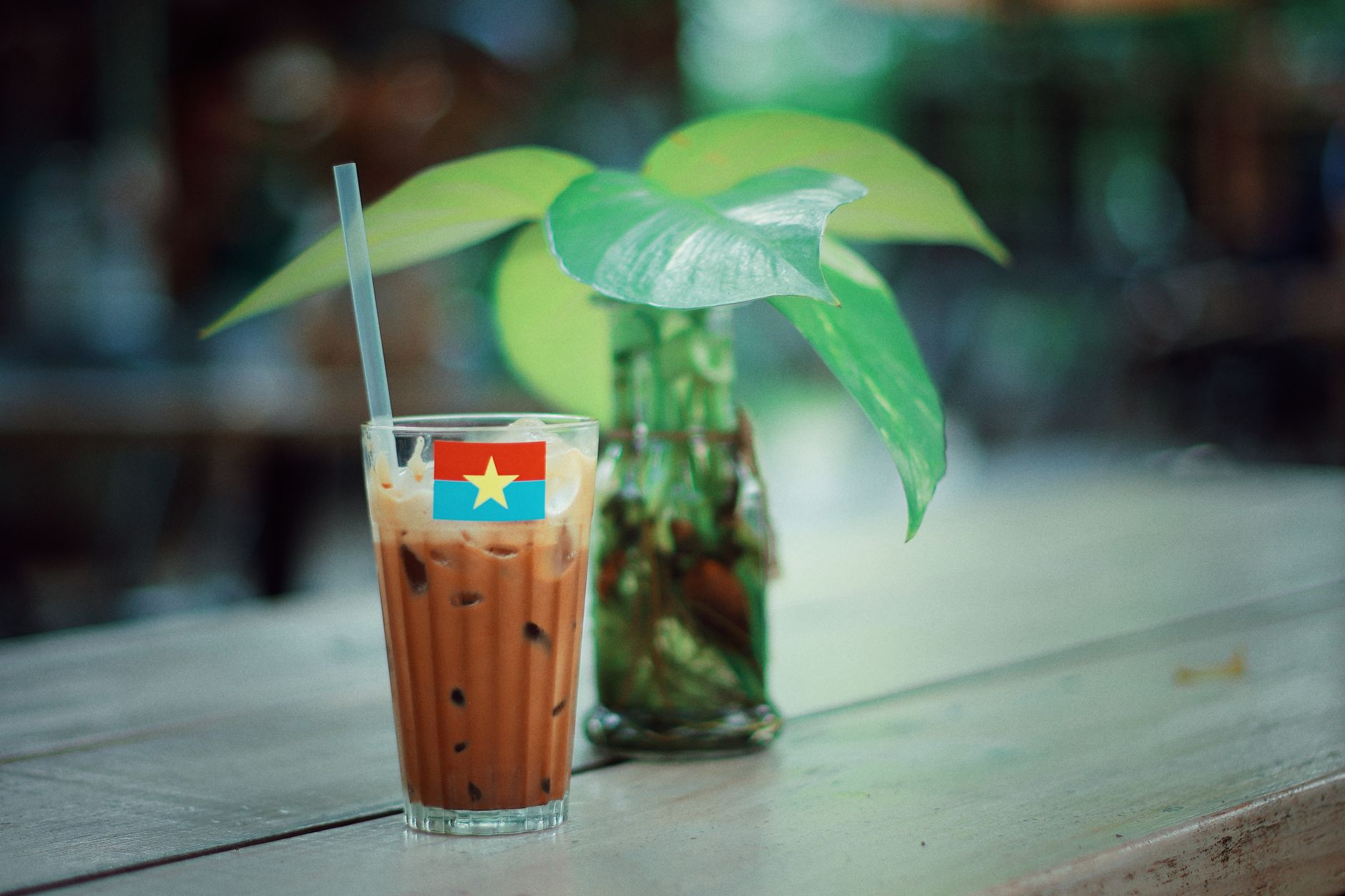
Vietnamese coffee is renowned for its rich flavor and unique preparation method. But is it sweet? The answer varies depending on the way it is prepared and served. This article will delve into the flavor profile, texture, and pairings of Vietnamese coffee, helping you understand why it might be sweet and how you can customize it to your taste.
Vietnamese coffee, or “cà phê,” typically involves brewing strong Robusta beans through a drip method using a specially designed coffee filter. While the base coffee itself is concentrated and bold, various accompaniments—like sweetened condensed milk—can significantly enhance its sweetness, creating a delightful balance of flavors.
Is Vietnamese Coffee Sweet?
The sweetness of Vietnamese coffee largely depends on its preparation. Traditional Vietnamese coffee often includes sweetened condensed milk, which adds a notable sweetness that can contrast beautifully with the coffee’s strong, bold flavors. However, if you prefer a less sweet approach, you can certainly adjust the recipe according to your taste.
Understanding the Flavor Profile of Vietnamese Coffee
The flavor of Vietnamese coffee is robust and intense, primarily due to the use of Robusta beans. These beans have a higher caffeine content and a more earthy flavor compared to the Arabica beans often used in Western coffee. The preparation method, which can involve sweetened condensed milk or sugar, drastically influences the overall taste experience.
Flavor Notes
- Robust and Bitter: The base coffee has a strong, sometimes bitter taste that is characteristic of Robusta beans.
- Sweetness: When sweetened condensed milk is added, it introduces a creamy sweetness that balances the coffee’s bitterness.
- Nutty and Earthy: The coffee often has nutty undertones, adding to the complexity of its flavor.
Texture Experience
Texture also plays a crucial role in the overall coffee experience. When sweetened condensed milk is used, it contributes a creamy and smooth mouthfeel, enhancing the richness of the beverage. Conversely, when served black or with less sugar, the texture is more watery and crisp.
Traditional Preparation of Vietnamese Coffee
To understand how sweetness is achieved in Vietnamese coffee, one must consider its traditional preparation. The most common way to make Vietnamese coffee is with a drip brew method, often served over sweetened condensed milk in a glass. Here’s how it works:
Ingredients
- 2 tablespoons of coarse-ground Vietnamese Robusta coffee
- 2 to 3 tablespoons of sweetened condensed milk (adjust to personal taste)
- Hot water (about 200°F or 93°C)
Essential Equipment
- Vietnamese coffee filter (phin)
- Cup or glass for serving
- Measuring spoons
- Hot water source
Step-by-Step Preparation
- Place 2 to 3 tablespoons of sweetened condensed milk at the bottom of your cup or glass.
- Assemble the Vietnamese coffee filter and fill it with the ground coffee, leveling it off. Some prefer to lightly press the grounds down for a stronger brewing.
- Slowly pour a small amount of hot water (just enough to wet the grounds) and let it bloom for about 30 seconds.
- After blooming, fill the filter with hot water, securing the lid to maintain temperature. Brewing will take 4 to 5 minutes.
- Once brewed, stir the coffee with the condensed milk until well mixed. Enjoy it hot, or pour it over ice for a refreshing iced coffee.
Variations and Sweetness Levels
There are several ways to adjust the sweetness of Vietnamese coffee depending on your preference. Here are popular variations:
Iced Vietnamese Coffee (Cà Phê Sữa Đá)
This is the iced version of Vietnamese coffee that is quite popular, especially in hot weather. The sweetness remains but is complemented by ice, making it a refreshing drink.
Black Vietnamese Coffee (Cà Phê Đen)
If you prefer a less sweet option, opt for black Vietnamese coffee. This version skips the condensed milk and sugar, allowing you to appreciate the full strength of the Robusta beans.
Flavored Variants
- Chocolate or Mocha: Adding cocoa powder can create a sweet and chocolaty flavor.
- Coconut Milk: Replace condensed milk with coconut milk for a tropical twist.
- Syrups: Consider adding flavored syrups like vanilla or hazelnut for sweetness without condensing.
Pairing Vietnamese Coffee
Breakfast Foods
- Bánh mì: The traditional Vietnamese sandwich, filled with meats, veggies, and herbs, pairs well with the acidity and boldness of the coffee.
- Phở: The fragrant, hearty noodle soup complements the robust flavors of the coffee, making for a satisfying meal.
Desserts
- Egg Coffee (Cà Phê Trứng): Made with egg yolks and sugar whipped into a frothy mixture, this dessert drink is both sweet and creamy, providing a delightful contrast to black coffee.
- Fruit and Coconut Desserts: The refreshing flavor of tropical fruits like mango, or coconut-based desserts can balance out the rich coffee.
Snacks
- Pâté Chaud: This flaky pastry filled with meat and spices complements the intensity of the coffee.
- Spring Rolls: Crunchy and savory, these snacks pair beautifully with a sweetened coffee.
Common Mistakes and Troubleshooting
When making Vietnamese coffee, it’s easy to make some common errors that can affect the final product. Here’s how to troubleshoot:
- Over-extraction: If the coffee tastes bitter, it may be over-extracted. Reduce the brewing time or adjust the grind size to coarser.
- Too Sweet: If the coffee is overly sweet, cut back on the amount of sweetened condensed milk or sugar in the recipe.
- Weak Flavor: If the flavor isn’t strong enough, use more coffee grounds or ensure proper brewing time.
Make-Ahead and Storage Guidelines
Vietnamese coffee is best enjoyed fresh, but if you want to prepare in advance:
- Brewed Coffee: You can brew coffee in advance and store it in the refrigerator for 3 to 5 days. Reheat before serving or enjoy cold over ice.
- Condensed Milk: Keep sweetened condensed milk in a cool, dry place. It does not require refrigeration until opened.
Final Thoughts on Sweetness in Vietnamese Coffee
Is Vietnamese coffee sweet? The answer hinges on personal taste and preparation methods. By understanding the elements that contribute to sweetness—like sweetened condensed milk and the type of coffee used—you can tailor your experience to your liking.
Whether you enjoy it sweetened, black, or with creative enhancements, Vietnamese coffee offers a unique and rich taste experience. Explore different variations and pairings to find your perfect cup!
For those looking to deepen their coffee experience, consider trying out a sweetened coffee syrup recipe or experimenting with other coffee drinks like Carajillo. Check out these links to discover more: coffee syrup recipe and Carajillo recipe.