
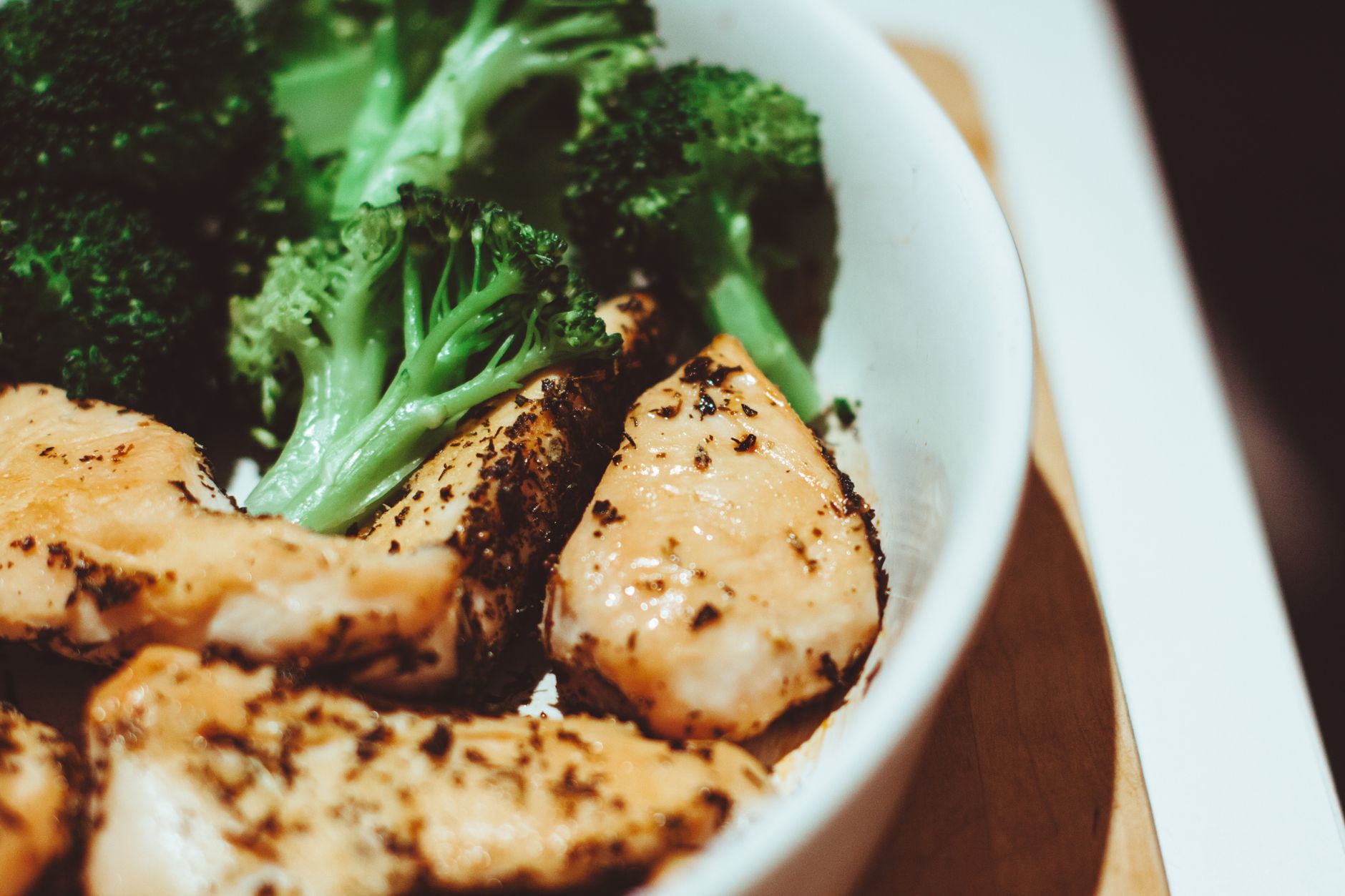
When it comes to obtaining protein in our diets, many people often think of meat, fish, and dairy as primary sources. However, vegetables can also provide a notable amount of protein, making them an essential part of a balanced diet. This article explores the protein content in various vegetables, helping you understand which options to include in your meals.
Understanding the role of protein in your diet is key to ensuring you meet your nutritional needs. Protein is necessary for tissue repair, making enzymes and hormones, and supporting immune functions. In this comprehensive guide, we will delve into specific vegetables that contain protein, offering a detailed breakdown of their protein amounts by serving size.
Do Any Vegetables Have Protein?
Yes, many vegetables contain protein, although the amounts can vary significantly. Some vegetables are surprisingly rich in protein, which can contribute to your daily intake, especially for vegetarians and vegans. Here’s a straightforward overview.
Notable Protein Sources Among Vegetables
To help you choose the right vegetables for boosting your protein intake, we have compiled a list of common vegetables known for their protein content, along with their protein amounts by serving size.
1. Edamame
- Serving Size: 1 cup (155g) shelled
- Protein Content: 17 grams
Edamame are young soybeans and a fantastic source of plant protein. They can be boiled or steamed for a delicious snack or salad ingredient.
2. Spinach
- Serving Size: 1 cup (30g) cooked
- Protein Content: 5 grams
Spinach is not only nutrient-rich but also provides a good protein punch. Incorporating it into smoothies, salads, or sautés enhances both flavor and health benefits.
3. Kale
- Serving Size: 1 cup (130g) cooked
- Protein Content: 4 grams
Kale is a superfood that offers fiber, vitamins, and minerals alongside protein. It is excellent in salads, smoothies, and as a cooked side dish.
4. Broccoli
- Serving Size: 1 cup (156g) cooked
- Protein Content: 4 grams
Broccoli is known for its health benefits, including its protein content. It works well in stir-fries, casseroles, or simply steamed.
5. Brussels Sprouts
- Serving Size: 1 cup (156g) cooked
- Protein Content: 4 grams
Brussels sprouts are versatile and nutritious. Roasting them can enhance their flavor, making them a delicious side dish.
6. Peas
- Serving Size: 1 cup (160g) cooked
- Protein Content: 9 grams
Peas offer a robust amount of protein and are easily added to soups, stews, and salads, enhancing both flavor and nutrition.
7. Asparagus
- Serving Size: 1 cup (180g) cooked
- Protein Content: 4 grams
Asparagus is a spring vegetable rich in vitamins and protein. Grilling or roasting it preserves its nutrients and flavor.
8. Artichokes
- Serving Size: 1 medium artichoke (120g) cooked
- Protein Content: 4 grams
Artichokes are not only delicious but also provide protein. They are often steamed or grilled for tasty appetizers or side dishes.
9. Swiss Chard
- Serving Size: 1 cup (175g) cooked
- Protein Content: 4 grams
Swiss chard has a slightly earthy flavor and is best used in a variety of recipes, from stir-fried dishes to salads.
10. Cauliflower
- Serving Size: 1 cup (124g) cooked
- Protein Content: 3 grams
Cauliflower is a versatile vegetable that can be used as a rice alternative, mashed like potatoes, or roasted for added flavor.
Incorporating Protein-Rich Vegetables Into Your Diet
Knowing which vegetables provide protein is just the start; it’s also essential to find creative ways to incorporate these into your daily meals. Here are some practical ideas:
- Make a vibrant salad with spinach, kale, and chickpeas for a protein-packed meal.
- Add peas and broccoli to a stir-fry for a nutrition boost.
- Try a vegetable and edamame soup for a comforting, protein-rich dish.
- Roast Brussels sprouts with olive oil and garlic for a flavor-enhancing side.
- Blend spinach or kale into smoothies to pack in protein and nutrients without sacrificing taste.
Protein in Vegetarian and Vegan Diets
For those following vegetarian or vegan diets, incorporating protein-rich vegetables becomes imperative. Plant-based protein can also come from legumes, nuts, seeds, and specific grains. Here is a closer look at how to balance these dietary preferences:
Legumes
Legumes such as lentils, beans, and chickpeas are excellent sources of protein and can be paired with vegetables to create hearty meals.
Nuts and Seeds
Nuts and seeds can add both protein and healthy fats to salads or smoothies. Try adding sunflower seeds or walnuts to enhance both nutrition and crunch.
Whole Grains
Grains like quinoa and farro also provide some protein and work well as side dishes or salad bases.
Protein Comparisons: Vegetables vs. Other Sources
While vegetables do contain protein, it’s important to compare their protein content with other food sources. Below is a comparison of protein levels in some common foods:
| Food Item | Protein Content (per 100g) |
|---|---|
| Chicken Breast | 31 grams |
| Tofu | 8 grams |
| Black Beans | 21 grams |
| Quinoa | 4 grams |
This comparison highlights the significant protein found in some plant sources, as well as animal sources. While vegetables may not offer as high amounts of protein as animal products, they complement a balanced diet and can help meet daily protein goals when combined with other sources.
Common Misconceptions About Protein in Vegetables
Several misconceptions exist about protein in vegetables. Here are some clarifications:
- Protein Quality: While vegetables provide protein, the amino acid profile may differ from animal proteins. Consider combining several protein sources to achieve a more complete amino acid profile.
- Daily Needs: While vegetables can contribute protein, most adults should aim for a varied diet. This may include proteins from both animals and plants.
- Cooking Effects: Cooking can affect protein content, but most vegetables maintain a substantial amount post-cooking, making them still a worthwhile addition to meals.
Practical Tips for Maximizing Protein Intake from Vegetables
To ensure you are maximizing the protein from vegetables, here are some tips:
- Mix vegetables high in protein with grains or legumes for balanced meals.
- Opt for cooking methods such as steaming or sautéing to retain nutrients.
- Utilize vegetable powders or supplements if you cannot consume enough daily through food alone.
- Explore recipes that feature protein-rich vegetables to diversify your meals.
Sample Meal Ideas to Incorporate High-Protein Vegetables
Here are some meal ideas that emphasize the protein-rich vegetables in your diet:
Breakfast
- Spinach Omelette: Whip up a protein-rich breakfast by combining spinach with eggs.
- Chickpea Flour Pancakes: Use chickpea flour to make protein-packed pancakes, adding spinach or kale for extra nutrition.
Lunch
- Edamame Salad: Toss together edamame, cherry tomatoes, and sliced cucumbers dressed with olive oil.
- Quinoa Bowl: Mix cooked quinoa with roasted Brussels sprouts and a tahini dressing for a nutrient-rich lunch.
Dinner
- Stir-Fried Tofu and Broccoli: Pair tofu and broccoli in a savory stir-fry with garlic and ginger.
- Roasted Vegetable Medley: Roast cauliflower, asparagus, and carrots with herbs for a delicious side.
Conclusion
Incorporating vegetables into your diet is crucial, and their protein content can contribute positively to your overall nutritional intake. By knowing which vegetables are high in protein, you can make informed dietary choices that suit your lifestyle.
To continue expanding your culinary knowledge and capabilities, explore these related resources: learn about the protein content in spinach or discover if bone broth has protein. Each article will enrich your understanding and culinary skills in utilizing these ingredients in flavorful meals.