
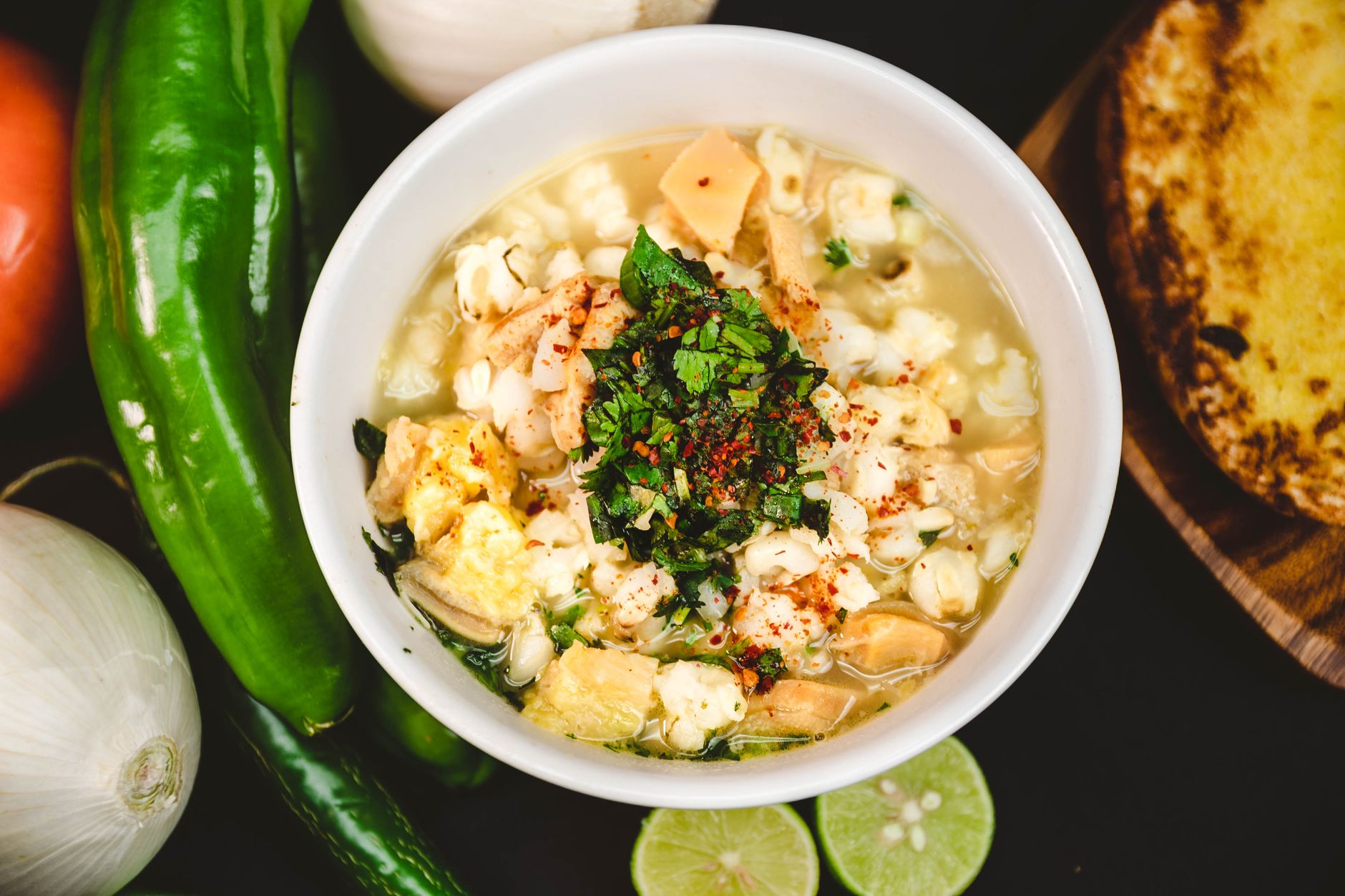
Hominy, a form of processed corn, is a staple ingredient in many culinary traditions, especially in Mexican and Southern cuisines. Known for its chewy texture and distinctive flavor, hominy can be used in a variety of dishes, from soups and stews to casseroles. But for those watching their fiber intake, a common question arises: Does hominy have fiber?
This article will explore hominy’s fiber content along with its nutritional facts, serving sizes, and how you can incorporate this ingredient into your meals. This guide will help you understand not just the fiber in hominy, but also its overall nutritional profile and culinary uses.
Does Hominy Have Fiber?
Hominy does contain some fiber, although it is not as high in fiber as whole grains or certain fruits and vegetables. A typical serving of hominy offers about 2.2 grams of dietary fiber. This amount can contribute to your daily fiber intake but may not be sufficient on its own.
The fiber in hominy can promote digestive health and help you feel fuller longer, making it a worthwhile addition to meals, especially when paired with other fiber-rich foods.
What is Hominy?
Hominy is made from corn kernels that have been treated through a process known as nixtamalization. This process involves soaking the corn in an alkaline solution, usually lime water, which loosens the hulls and changes the chemical composition of the corn. The result is a puffy, chewy grain that can be used in various dishes.
Hominy can be found in two forms: white and yellow. Both types have similar nutritional values, but their flavors may slightly differ. Hominy is often sold canned or dried, and it can be found in grocery stores, particularly in sections dedicated to Mexican or Southern food.
Nutritional Facts of Hominy
Understanding the nutritional profile of hominy can help you appreciate its role in your diet. Here is a breakdown of the nutritional values for a 1-cup (approximately 240 grams) serving of drained, canned hominy:
- Calories: 119
- Protein: 4.4 grams
- Fat: 1.5 grams
- Carbohydrates: 25.4 grams
- Dietary Fiber: 2.2 grams
- Sugars: 1.8 grams
- Sodium: 433 mg
Importance of Fiber in the Diet
Dietary fiber is an essential component of a healthy diet. It helps regulate the body’s use of sugars, aiding in controlling hunger and maintaining blood sugar levels. There are two types of dietary fiber: soluble and insoluble.
- Soluble Fiber: Dissolves in water and can help lower blood cholesterol and glucose levels.
- Insoluble Fiber: Does not dissolve in water and helps add bulk to the stool, promoting regular bowel movements.
Both types of fiber offer numerous health benefits, including improved digestive health, reduced risk of heart disease, and potential weight management support.
Incorporating Hominy into Your Diet
Hominy is quite versatile and can be used in various dishes. Below are some ideas to incorporate hominy into your meals:
- Soups and Stews: Add hominy to traditional dishes like posole, a Mexican soup that features hominy, meat, and various toppings.
- Casseroles: Use hominy as a base for casseroles, mixing it with proteins and vegetables for a hearty dish.
- Side Dishes: Serve it as a side dish seasoned simply with salt, pepper, and herbs.
- Salads: Toss hominy into salads for added texture and flavor.
Cooking with Hominy
When it comes to cooking with hominy, the method you choose can affect its texture and flavor profile. Here are options for preparation:
Using Canned Hominy
Canned hominy is already cooked and only requires heating. Here’s how to use it:
- Open the can and drain the hominy.
- Rinse the hominy under cold water to remove excess sodium.
- Heat in a saucepan over medium heat until warmed through, stirring occasionally.
- Season to taste and incorporate into your desired dish.
Using Dried Hominy
If you’re using dried hominy, the preparation is slightly different:
- Soak the dried hominy in water overnight, or use a quick soak method by boiling it for a few minutes and letting it sit for an hour.
- Drain and rinse the soaked hominy.
- Add it to a pot and cover with fresh water. Bring to a boil, then reduce heat to low.
- Simmer for 1 to 2 hours until the hominy is tender.
- Season to taste and use in your recipes.
Substitutions for Hominy
If you find yourself without hominy, you can consider several substitutes, though the flavor and texture may vary:
- Polenta: This cornmeal dish can mimic the texture of hominy, though it may be less chewy.
- Corn Grits: Another corn-based option, grits can provide a similar flavor but with a creamier texture.
- Quinoa: For a gluten-free option with a similar nutritional profile, quinoa can work in many recipes that call for hominy.
Each alternative will slightly change the dish’s characteristics and may require adjustments in cooking time or liquid ratios.
Common Mistakes and Troubleshooting
Cooking hominy is usually straightforward, but some common mistakes can affect the outcome:
- Not soaking dried hominy long enough: Insufficient soaking can lead to tough kernels. Always soak for at least a few hours or overnight.
- Overcooking canned hominy: Because it’s already cooked, overcooking can make it mushy. Add it to dishes towards the end of cooking time.
- Skipping rinsing: If using canned hominy, not rinsing it can lead to overly salty dishes. Always rinse after draining.
Storing Hominy
Proper storage of hominy depends on whether it’s canned or dried:
- Canned Hominy: Store unopened cans in a cool, dry place. Once opened, transfer any unused hominy to an airtight container and refrigerate for up to 3 to 4 days.
- Dried Hominy: Keep in a tightly sealed container in a cool, dry place. It can last for a year or longer if stored properly.
Both forms of hominy can be reused in various recipes, making them a versatile pantry staple.
Conclusion
Hominy features a modest amount of dietary fiber, making it a beneficial addition to your meals when combined with other fiber-rich ingredients. Its versatility allows you to incorporate it into a range of dishes, from soups to casseroles, enhancing both flavor and texture.
Consider adding hominy to your meal plan as a nutritious, protein-rich ingredient that can help you meet your dietary fiber goals. For more information about incorporating fiber-rich foods into your diet, check out our articles How Much Fiber in Banana and Does Kale Have Fiber?.