
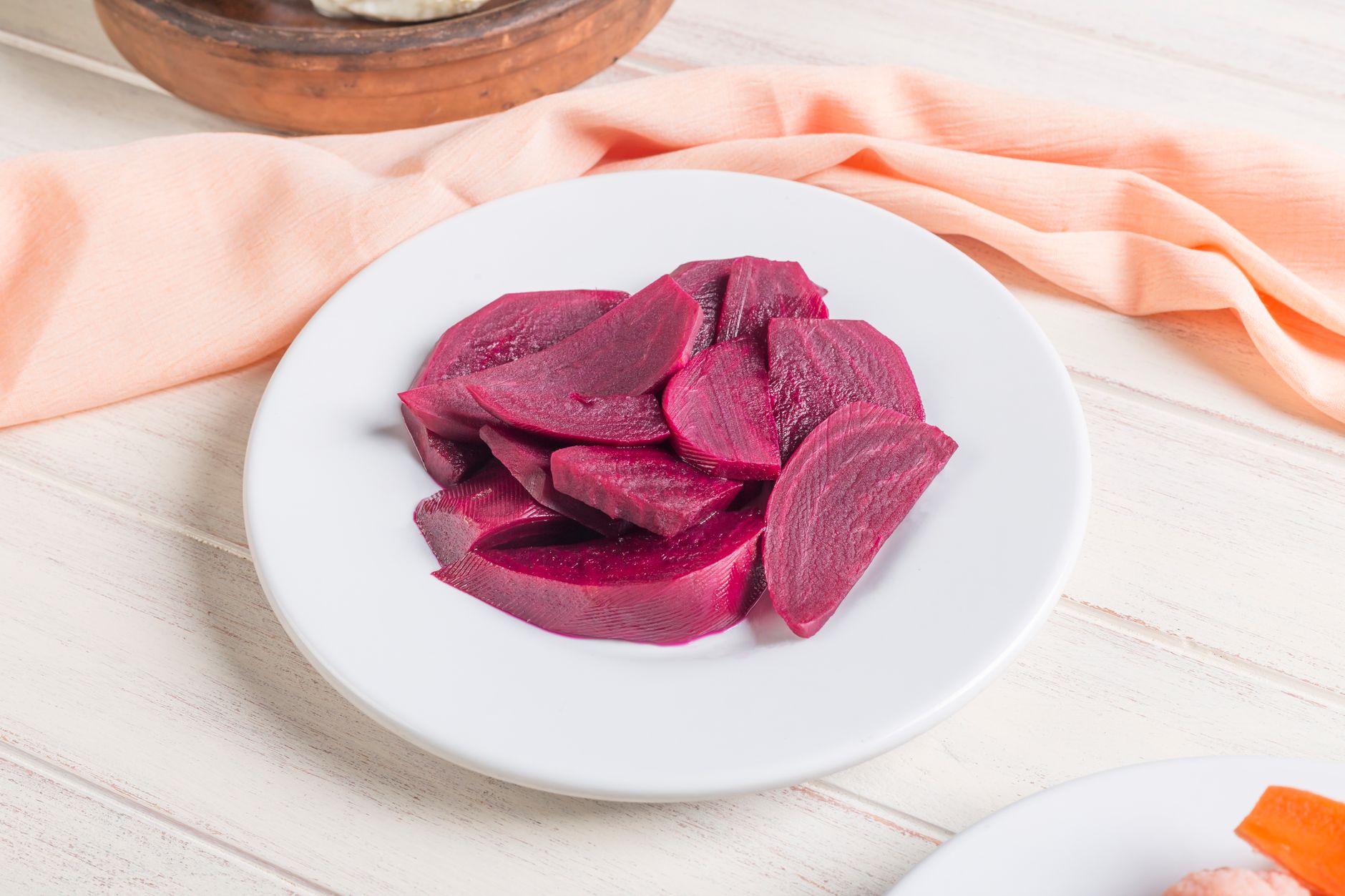
Rosabella beetroot is a vibrant and nutrient-rich variety of beetroot that has gained popularity in recent years for its unique flavor and culinary versatility. Whether you’re considering incorporating this striking vegetable into your diet or simply want to understand its uses, you might be asking: does Rosabella beetroot work in the kitchen?
This article delves into the characteristics of Rosabella beetroot, its health benefits, how it can be used in various dishes, and offers practical cooking tips. By the end, you’ll have everything you need to decide how this colorful ingredient can fit into your meals.
Does Rosabella Beetroot Work?
Rosabella beetroot works well in the kitchen due to its sweet, earthy flavor, appealing color, and nutritional profile. It can be enjoyed raw in salads, roasted, or incorporated into soups and even desserts, making it a versatile addition to many dishes.
What is Rosabella Beetroot?
Rosabella beetroot is a specific variety of beetroot known for its striking maroon color and sweet, mild flavor. Unlike some other beets that can have an intensely earthy taste, Rosabella beetroot is fairly tender and sweet, making it ideal for a variety of cooking techniques. Originating from Europe, it develops a beautiful hue in the soil, which reflects in the color of its flesh.
This beet variety is not just visually appealing; it also boasts a wealth of nutrients. Rich in vitamins, minerals, and antioxidants, Rosabella beetroot is a healthy choice for those looking to enhance their vegetable intake.
Health Benefits of Rosabella Beetroot
Rosabella beetroot offers an array of health benefits, making it a worthwhile addition to your diet. Here are some of the key benefits:
- Rich in Nutrients: Rosabella beetroot is high in vitamins A, C, and B6, as well as folate, manganese, potassium, and iron.
- High in Antioxidants: This variety contains betalains, which have antioxidant properties that may help reduce inflammation and oxidative stress.
- Supports Heart Health: Beets are known to help lower blood pressure and improve circulation, contributing to cardiovascular health.
- Boosts Digestive Health: The fiber content in beetroots promotes gut health and helps with digestion.
Culinary Uses of Rosabella Beetroot
When it comes to cooking with Rosabella beetroot, the options are numerous. Here’s how you can incorporate this ingredient into your meals:
Raw Preparations
Fresh Rosabella beetroot is delicious when grated or thinly sliced in salads. Its sweetness pairs well with tangy dressings. Here are some raw preparation ideas:
- Salads: Combine shredded Rosabella beetroot with mixed greens, feta cheese, walnuts, and a vinaigrette dressing for a refreshing salad.
- Slaws: Use grated beetroot in coleslaw for added color and sweetness.
- Wraps: Use raw slices in wraps with hummus and fresh vegetables for a nutritious lunch option.
Roasted Beets
Roasting beetroot brings out its natural sugars and enhances its flavor profile. Here’s a simple method:
- Preheat your oven to 400°F (200°C).
- Wash the beets thoroughly and trim the tops, leaving about an inch of stem.
- Wrap each beet individually in aluminum foil and place them on a baking tray.
- Roast for about 45-60 minutes or until they can be easily pierced with a fork.
- Once cooked, let them cool before peeling the skins off and slicing or dicing as desired.
Soups and Purees
Rosabella beetroot works beautifully in soups. Beet soup can be creamy or chunky based on your preference. Here’s how to make a simple beet soup:
- In a large pot, sauté chopped onions and garlic until fragrant.
- Add diced Rosabella beetroot and cover with vegetable broth. Bring to a simmer.
- Cook until the beets are tender, around 30 minutes.
- Blend until smooth, adding cream or coconut milk for a creamy texture if desired.
- Season with salt, pepper, and a squeeze of lemon juice before serving.
Desserts
Surprisingly, you can even incorporate Rosabella beetroot into desserts. Its natural sweetness can enhance cakes and brownies:
- Beetroot Chocolate Cake: Substitute some of the fat in your chocolate cake recipe with pureed cooked beetroot for added moisture and nutrition.
- Brownies: Beet puree can also be used in brownies to add richness and a hint of earthiness.
Cooking Techniques with Rosabella Beetroot
There are several effective methods for preparing Rosabella beetroot that highlight its flavor and texture:
Boiling
Boiling is a quick method but can lead to some nutrient loss. Follow these steps:
- Wash beets and remove the leaves and root tips.
- Place them in a pot and cover with water.
- Bring to a boil and then reduce to a simmer for about 30-40 minutes or until tender.
- Drain, cool, and peel before using in salads or dishes.
Steaming
Steaming helps lock in nutrients and flavor. Here’s how:
- Prepare your beets by washing and trimming.
- Place them in a steamer basket over boiling water.
- Steam for about 25-35 minutes or until fork-tender.
Pickling
Pickling adds a zesty flavor and can preserve your beets for longer. Here’s a basic pickling recipe:
- Prepare a pickling solution with vinegar, water, sugar, and pickling spices.
- Slice or cube boiled Rosabella beetroot.
- Submerge in the pickling solution and refrigerate for at least 24 hours.
Substitutions for Rosabella Beetroot
If you can’t find Rosabella beetroot, other varieties like Chioggia beets or golden beets can be used as substitutes, though they may alter the color and flavor slightly. Here’s how to choose alternatives:
- Chioggia Beets: These have a sweet flavor and a striking striped appearance, perfect for salads.
- Golden Beets: Milder in taste and vibrant in color, they work well for roasting and soups.
- Regular Red Beets: These are the most common and can be used interchangeably; however, they may have a stronger earthy flavor.
Common Mistakes When Cooking with Rosabella Beetroot
Here are some common pitfalls to avoid when working with Rosabella beetroot:
- Overcooking: Beets can become mushy if overcooked. Keep an eye on them during boiling or roasting.
- Using Too Much Water: When boiling, using excessive water can dilute flavor; always use just enough to cover.
- Peeled Too Early: It’s generally easier to peel beets after cooking. The skins slide off more effortlessly this way.
Storage and Reheating of Rosabella Beetroot
Proper storage ensures that your Rosabella beetroot stays fresh:
- Raw Beets: Store unwashed fresh beets in the refrigerator crisper drawer in a perforated bag for up to two weeks.
- Cooked Beets: Refrigerate cooked beetroot in an airtight container for up to five days.
- Freezing: Boiled and diced beets can be frozen for up to 10-12 months; just blanch before freezing.
When reheating, the best method is to gently warm them in a pan over low heat or microwave them in short intervals to avoid overcooking.
Serving Suggestions for Rosabella Beetroot
Here are some ideas for serving dishes featuring Rosabella beetroot:
- As a Side Dish: Serve roasted beetroot with a sprinkle of feta cheese and a drizzle of balsamic glaze.
- In Grain Bowls: Layer cooked quinoa or farro with roasted beetroot, avocado, and a poached egg.
- On Sandwiches: Add roasted slices to sandwiches or wraps for extra flavor and visual appeal.
Considering these various ways to prepare and serve Rosabella beetroot can help make mealtimes more exciting and nutritious.
Conclusion
Rosabella beetroot is a versatile vegetable that not only enhances the look of dishes but also offers numerous health benefits. Whether you bake, roast, steam, or enjoy it raw, this beetroot works beautifully across many culinary applications. It’s an excellent way to add color and nutrition to your meals.
Next time you are planning your meals or looking for a tasty ingredient to add to your repertoire, consider Rosabella beetroot. Its sweet flavor and vibrant appearance will certainly elevate your cooking.
For more delicious ideas, explore our recipes for Harvard Beets or try making a healthy Chia Pudding with Coconut Milk.