
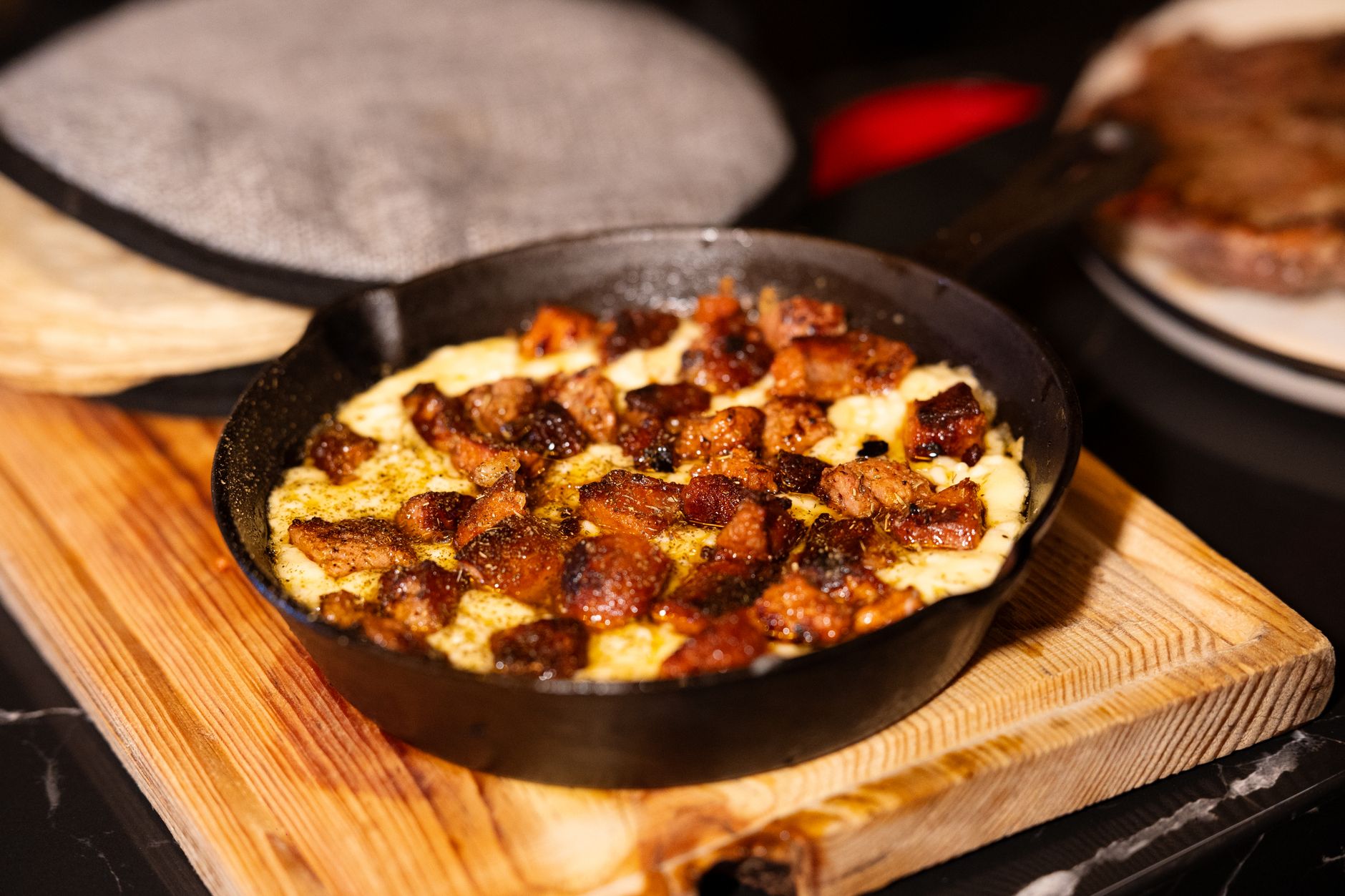
Chorizo is a versatile and flavorful sausage used in various cuisines, particularly in Spanish and Mexican dishes. Cooking chorizo in a pan is a straightforward method that highlights its vibrant flavors and spices, making it a popular choice for breakfast dishes, tacos, and more.
This article will address how long to cook chorizo in a pan, offering insights on cooking times, doneness indicators, and tips for maximizing its rich taste.
How Long to Cook Chorizo in Pan?
Cooking chorizo in a pan typically takes between 8 to 12 minutes, depending on the size of the pieces and the heat level. Properly cooking chorizo involves ensuring it reaches the right internal temperature while developing a slightly crispy texture on the outside.
Understanding Chorizo
Chorizo is a type of pork sausage that hails from the Iberian Peninsula. It is well-known for its robust flavor, which comes from a mix of spices, including paprika, garlic, and other seasonings. There are two main types of chorizo: fresh (or uncooked) and cured. Fresh chorizo must be cooked before consumption, while cured chorizo can be eaten without cooking but can also be warmed up for enhanced flavor.
The cooking method of choice for chorizo can impact its flavor and texture, with pan-frying being one of the most effective ways to achieve a richly flavored and slightly crispy exterior.
Essential Equipment
- Non-stick skillet or frying pan
- Spatula or wooden spoon
- Meat thermometer (optional but recommended)
- Cutting board (if you are slicing the sausage)
- Knife
Ingredients
- 1 pound fresh chorizo sausage
- 1 tablespoon olive oil (optional, depending on the fat content of chorizo)
- Salt and pepper to taste
Step-by-Step Cooking Instructions
- Prepare the Chorizo: If your chorizo is in a casing, carefully slice the casing open and remove the meat. If it is loose, simply use it as is. You can leave it in larger chunks or crumble it, depending on your preference.
- Heat the Pan: Place a non-stick skillet or frying pan on medium heat. If your chorizo is not very fatty, add a tablespoon of olive oil to help prevent sticking and add flavor.
- Add the Chorizo: Once the oil is shimmering or the pan is hot, carefully add the chorizo to the skillet. If crumbled, spread it out evenly; if in chunks, ensure they are spaced out to allow even cooking.
- Cook the Chorizo: Let the chorizo cook undisturbed for about 3-4 minutes. This allows the sausage to develop a nice sear.
- Stir and Continue Cooking: After the initial searing, stir the chorizo, breaking up any large clumps. Cook for an additional 5-8 minutes, stirring occasionally, until the chorizo is browned and reaches an internal temperature of 160°F (71°C).
- Check for Doneness: Use a meat thermometer to check the internal temperature in several spots. The chorizo should be firm and no longer pink. If you don’t have a thermometer, look for a deep, rich color and the release of flavorful juices.
- Serve: Remove the chorizo from the pan and let it rest for a few minutes before serving. This will help retain its juices.
Tips for Cooking Chorizo
- Keep the heat at medium to avoid burning the chorizo. Lower heat can result in undercooked sausage, while high heat may lead to a bitter outer layer before the inside is done.
- If using a higher fat chorizo, you might be able to skip the oil. Conversely, leaner varieties may benefit from a little olive oil to help lubricate the pan.
- Consider adding onions, peppers, or garlic to the pan midway through cooking for additional flavor and texture.
- Don’t overcrowd the pan. If cooking more than one pound of chorizo, work in batches to ensure even cooking.
Common Mistakes When Cooking Chorizo
- Not allowing the pan to heat adequately can lead to sticking.
- Overcooking can cause the chorizo to dry out. Ensure you monitor the cooking time and temperature closely.
- Assuming that the chorizo’s color alone indicates doneness. Always use a thermometer for accuracy.
Variations and Substitutions
Chorizo comes in various flavors and styles. If you can’t find traditional pork chorizo, here are some alternatives:
- Turkey Chorizo: A leaner option, which may require slightly less cooking time due to its lower fat content.
- Vegetarian or Vegan Chorizo: These options often come pre-cooked or require less cooking time; follow package instructions for specifics.
- Homemade Chorizo: You can make your own using ground meat and a blend of spices. Adjust cooking times based on the type and fat content of the meat used.
How to Serve Cooked Chorizo
Chorizo’s robust flavor makes it suitable for various dishes. Here are some great serving suggestions:
- Add it to breakfast burritos or tacos with eggs, avocado, and salsa.
- Incorporate it into rice dishes, like paella or Spanish rice, for a flavor boost.
- Use it as a topping for nachos, alongside beans, cheese, jalapeños, and guacamole.
- Serve it over sautéed vegetables or in a hearty stew for a satisfying meal.
Storage and Reheating Guidance
To ensure your cooked chorizo maintains its flavor and quality, follow these storage tips:
- Store cooked chorizo in an airtight container in the refrigerator for up to 3-4 days.
- For longer storage, freeze cooked chorizo in portions. It can last 2-3 months in the freezer.
- To reheat, warm chorizo in a skillet over medium heat, or microwave until heated through.
Chorizo Cooking Times Recap
To summarize, cooking chorizo in a pan typically takes about 8 to 12 minutes total. The key is to ensure the internal temperature reaches 160°F (71°C). Cooking times may vary depending on the size of the pieces and the specific type of chorizo used. Always check for doneness using a food thermometer where possible.
Final Thoughts
Cooking chorizo in a pan is a quick and flavorful way to enjoy this delicious sausage. With the right technique, you can enhance your meals with its robust flavors, whether in breakfast dishes, tacos, or stews. Keep the cooking tips and guidelines in mind, and feel free to experiment with different servings and variations.
For more culinary tips and delicious recipes, explore our guides on meal planning or ingredient substitutions. Discover a world of flavor with our easy and practical cooking resources.