
Green tea is often touted as a health elixir, with many claiming its benefits for weight loss. While it’s not a magical solution, it does play a significant role in a comprehensive weight management strategy. Understanding how green tea contributes to weight loss can help you make informed dietary choices.
In this article, we will explore how green tea aids in weight loss, its nutritional benefits, and practical ways to incorporate it into your diet. We’ll also cover what kind of green tea is best, any potential downsides, and other weight loss tips.
Is Green Tea Good for Weight Loss?
Yes, green tea can be beneficial for weight loss due to its active compounds, particularly catechins and caffeine. These elements can help enhance metabolism, facilitate fat oxidation, and improve exercise performance—all of which can support a weight loss journey. However, it’s essential to maintain a balanced diet and exercise regimen for optimal results.
Understanding Green Tea: Composition and Benefits
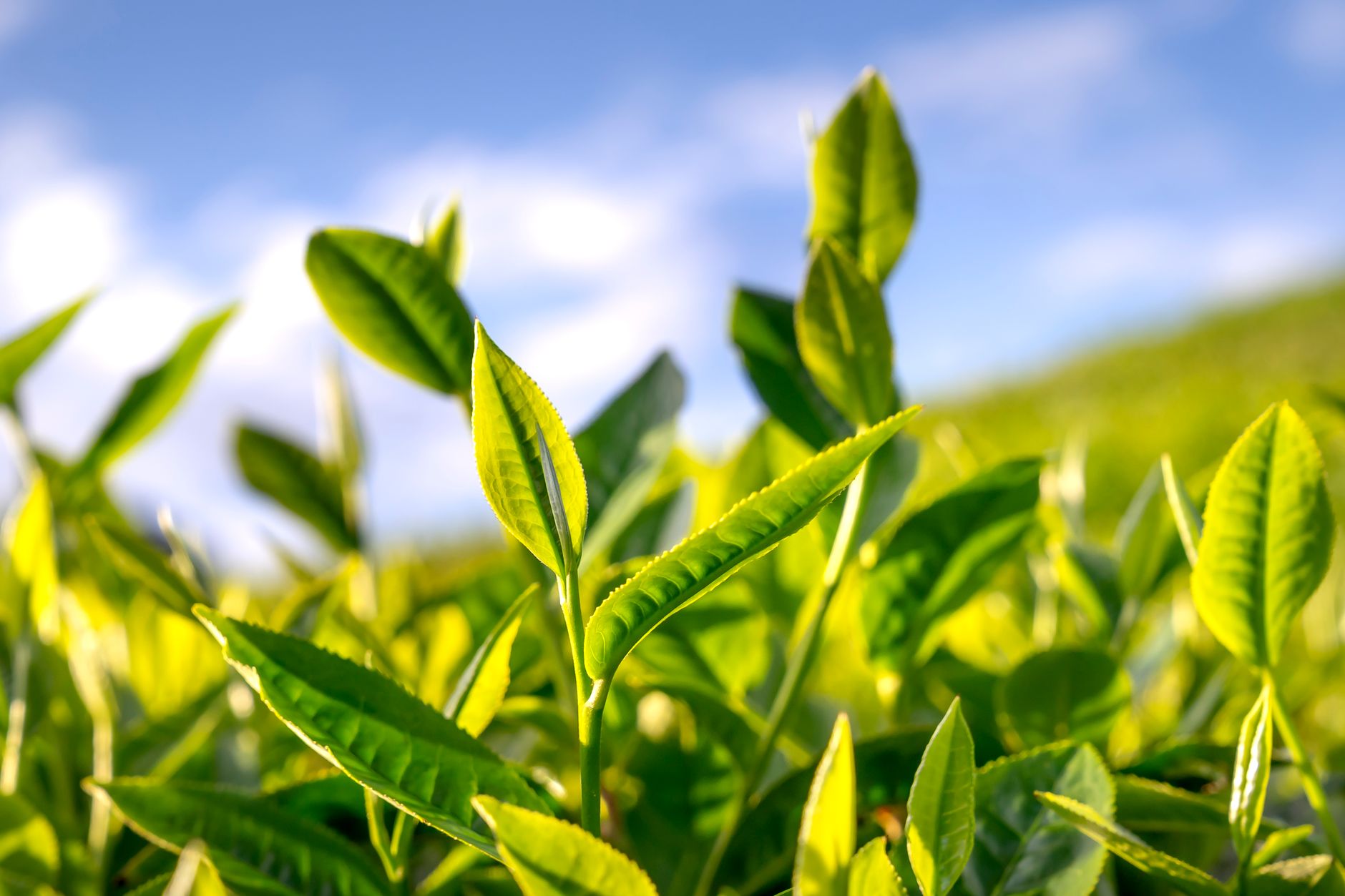
Green tea comes from the leaves of the Camellia sinensis plant and is minimally processed to preserve its rich antioxidants. Here are some of the essential compounds found in green tea that contribute to its weight loss benefits:
- Catechins: These antioxidants, particularly epigallocatechin gallate (EGCG), are known for boosting metabolism and increasing fat burning.
- Caffeine: This natural stimulant can improve exercise performance and increase energy expenditure.
- amino acids: L-theanine, found in green tea, promotes relaxation and can reduce stress-related eating.
How Green Tea Aids Weight Loss
Green tea can support weight loss through various mechanisms:
Boosting Metabolism
Your metabolic rate determines how quickly your body burns calories. Some studies suggest that the combination of caffeine and catechins in green tea can increase metabolic rate by 4% to 10%, helping your body utilize energy more efficiently.
Increasing Fat Oxidation
Fat oxidation refers to the process of breaking down fat for energy. Research has indicated that green tea can enhance fat oxidation, especially during exercise. Drinking green tea before a workout may improve fat-burning capabilities, leading to better weight management.
Appetite Control
Green tea may also play a role in reducing appetite. Various studies have suggested that the catechins in green tea can help modulate hormones related to hunger and satiety, reducing overall food intake without causing feelings of deprivation.
Effective Ways to Include Green Tea in Your Diet
Incorporating green tea into your daily routine doesn’t have to be complicated. Here are some practical tips:
- Daily Brew: Aim for two to three cups of freshly brewed green tea each day. Use tea bags or loose leaves, steeping them in hot water for about 2–3 minutes.
- Cold Brew: For a refreshing twist, try cold brewing green tea. Simply steep tea leaves in cold water for several hours in the refrigerator.
- Smoothies: Blend cooled green tea with fruits and spinach for a delicious and nutritious smoothie.
- Cooking Ingredients: Use matcha powder in baking or cooking to enhance flavor and health benefits.
The Best Types of Green Tea for Weight Loss
There are different varieties of green tea, each boasting unique flavors and benefits. Here are some of the best options:
Matcha
Matcha is a powdered form of green tea that contains higher concentrations of catechins and caffeine compared to steeped teas. It offers a more potent boost to metabolism and fat oxidation.
Sencha
Sencha is a popular Japanese green tea, known for its grassy flavor and high antioxidant content. It is an excellent choice for daily consumption.
Traditional Green Tea (Loose Leaf or Bags)
Both loose leaf and bagged green teas can be effective. Choose high-quality brands to maximize flavor and benefits.
Potential Downsides of Green Tea
While green tea has many benefits, it may not be suitable for everyone. Here are some potential downsides to be aware of:
Caffeine Sensitivity
The caffeine in green tea can cause jitteriness or sleep disturbances in sensitive individuals. If you’re sensitive to caffeine, opt for decaffeinated green tea.
Iron Absorption
Green tea may inhibit iron absorption, particularly from plant-based foods. If you are at risk of iron deficiency, limit your green tea intake during meals or consult your healthcare provider.
Complementing Green Tea with a Balanced Diet
For weight loss to be effective, green tea should be part of a comprehensive approach that includes a balanced diet and regular physical activity. Here are some dietary considerations:
Focus on Whole Foods
Choose whole foods such as fruits, vegetables, whole grains, lean proteins, and healthy fats. These foods provide essential nutrients while keeping calorie intake in check.
Stay Hydrated
Drinking plenty of water alongside green tea can aid digestion and support overall health. Hydration is crucial for metabolic processes.
Mindful Eating
Practice mindful eating by paying attention to hunger cues and savoring your food. This can help reduce overeating and promote weight loss.
Exercise: A Crucial Component of Weight Loss
Incorporating regular physical activity enhances the benefits of green tea for weight loss. Here are some exercise suggestions:
Cardiovascular Exercise
Activities such as running, cycling, or swimming can increase calorie expenditure and support heart health. Aim for at least 150 minutes of moderate-intensity aerobic activity per week.
Strength Training
Incorporating weight training can help build muscle, which burns more calories at rest compared to fat tissue. Aim for strength training sessions at least two times a week.
Flexibility and Balance Exercises
Incorporate exercises such as yoga or Pilates to enhance flexibility and balance while reducing stress, a common factor in weight gain.
Common Mistakes with Green Tea and Weight Loss
When working towards weight loss via green tea, avoid these common pitfalls:
- Relying Solely on Green Tea: While beneficial, green tea alone doesn’t lead to significant weight loss. A combined approach with diet and exercise is essential.
- Adding Excess Sugar: Sweetening your green tea with sugar or syrups adds unnecessary calories. Opt for lemon or honey in moderation.
- Neglecting Other Healthy Habits: Focus on a holistic lifestyle approach, including good sleep, stress management, and regular movement.
Storage and Preparation of Green Tea
To maximize freshness and benefits, here are some storage and preparation tips:
Storage
- Keep green tea in an airtight container to prevent exposure to light, moisture, and air.
- Store it in a cool, dark place for optimal freshness.
Preparation
- For loose leaf tea, use about 1-2 teaspoons per cup and steep in hot (not boiling) water for 2-3 minutes.
- Experiment with steeping times and temperatures to find your preferred flavor profile.
Conclusion
Green tea can certainly be a valuable ally in your weight loss journey, thanks to its metabolism-boosting properties and antioxidants. Incorporating it into a balanced diet alongside regular exercise can yield positive results. Focus on whole foods, stay hydrated, and consider your personal sensitivities when enjoying this popular beverage.
For further exploration, check out our delicious chia pudding recipe for a healthy snack or dive into how you can master the taste of green tea. Enjoy your journey to health and wellness!