
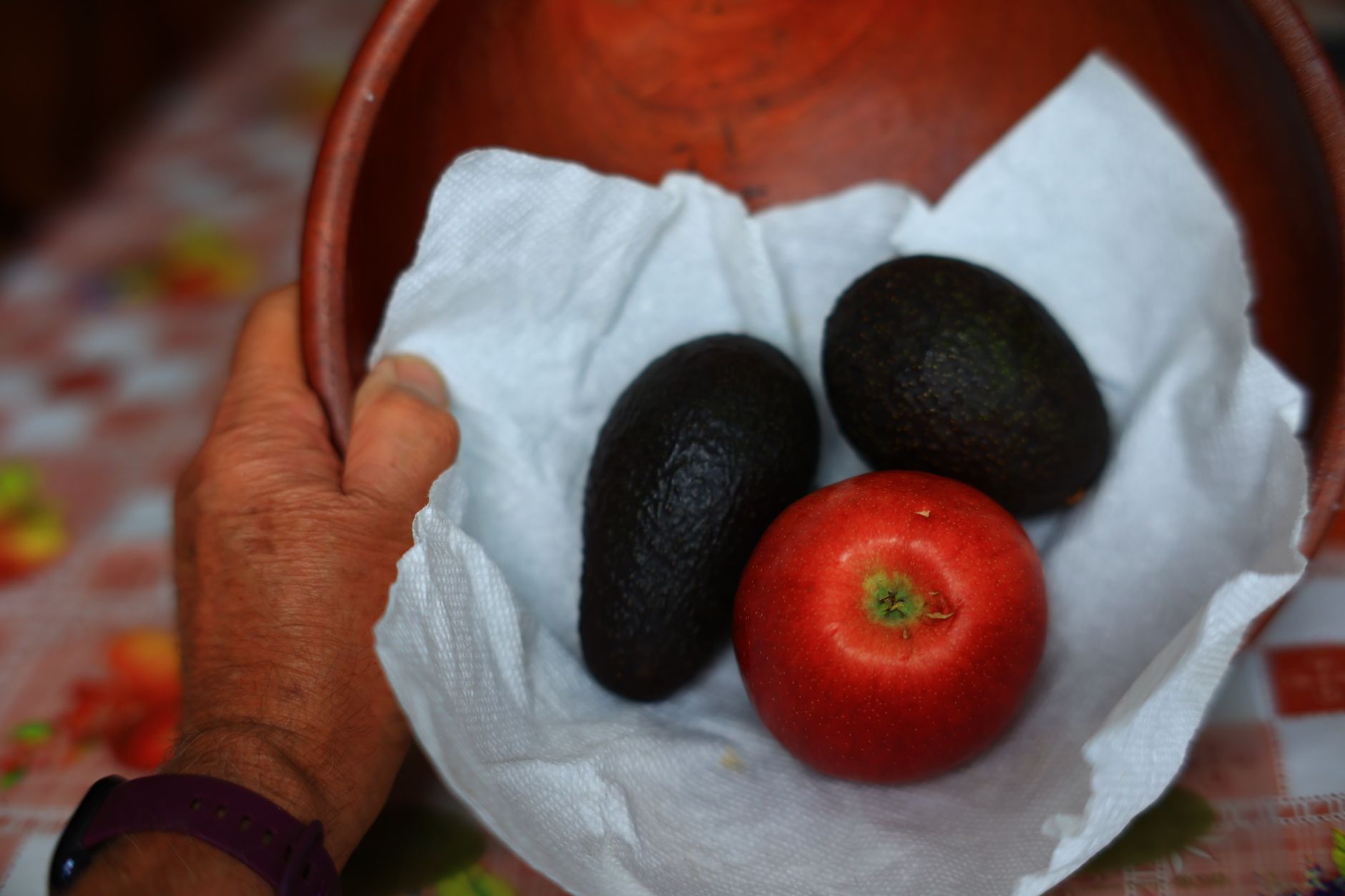
Avocados have gained immense popularity for their creamy texture and rich flavor, making them a staple in many diets. They are not only a delicious addition to meals but also considered a nutrient-dense food. However, many people wonder how many avocados they should eat in a day to reap the benefits without overdoing it.
In this article, we’ll explore the ideal daily intake of avocados, factors that influence this decision, and practical ways to incorporate them into your meals. You’ll also learn about avocado sizes, serving sizes, and delicious preparation methods to ensure you enjoy this superfood responsibly.
How Many Avocados a Day?
The general recommendation for avocado consumption is about one avocado per day. This amount provides a healthy dose of essential nutrients, including healthy fats, fiber, and vitamins. However, individual needs may vary based on dietary preferences, caloric intake, and health conditions.
The Nutritional Profile of Avocados
Avocados are packed with nutrients that contribute to overall health. Here’s a brief overview of what they offer:
- Healthy fats: Primarily monounsaturated fats, which are heart-healthy and can help lower bad cholesterol.
- Vitamins: Avocados are rich in vitamins C, E, K, and several B vitamins, including folate.
- Minerals: They provide potassium, magnesium, and copper, essential for various bodily functions.
- Fiber: A large avocado offers about 10-14 grams of dietary fiber, promoting digestive health.
Factors Influencing Avocado Consumption
When deciding how many avocados to eat daily, consider the following factors:
1. Caloric Needs
Your daily caloric intake plays a significant role in determining how much of any particular food you should consume, including avocados. One avocado can contain between 200 to 300 calories, depending on its size. If you’re on a calorie-restricted diet, you might want to limit your avocado intake or choose smaller avocados.
2. Dietary Goals
Your specific dietary goals, such as weight loss, weight gain, or muscle building, will also influence how many avocados you should include. For example, if you’re trying to gain weight in a healthy way, you might include more avocados for their healthy fats.
3. Nutritional Balance
Consider your overall diet and nutrient balance. If your meals are lower in fats, you might want to have a daily avocado. However, if you’re consuming other high-fat foods, you may want to limit yourself to a few avocados a week instead.
4. Individual Tolerance
Some individuals may find avocados hard to digest, while others may thrive on them. Listen to your body and adjust your consumption accordingly.
How to Incorporate Avocados into Your Daily Meals
Here are some practical ways to enjoy avocados throughout your day:
Breakfast
- Avocado Toast: Spread ripe avocado on whole-grain bread; top with sea salt, pepper, and optional toppings like poached egg or cherry tomatoes.
- Smoothies: Blend a quarter or half avocado into your morning smoothie for added creaminess and healthy fats.
- Scrambled Eggs: Mix diced avocado into scrambled eggs or serve it on the side for added nutrition.
Lunch
- Salads: Add sliced avocado to your salads for a satisfying, creamy texture and enhanced flavor.
- Wraps and Sandwiches: Include avocado in wraps or sandwiches instead of mayonnaise for added flavor and healthy fats.
- Sushi: Use avocado as a filling in homemade sushi rolls.
Dinner
- Guacamole: Make traditional guacamole with ripe avocados, lime, cilantro, and tomatoes for dipping.
- Tacos: Top tacos with slices of avocado for extra creaminess.
- Grilled Chicken or Fish: Serve grilled meats with avocado slices or a salsa made from chopped avocados.
Snacks
- Avocado Hummus: Blend avocado with chickpeas, tahini, garlic, and lemon for a nutritious dip.
- Stuffed Avocados: Fill halved avocados with tuna salad, quinoa, or beans for a filling snack.
Avocado Serving Sizes and Portion Control
Understanding appropriate serving sizes helps ensure you enjoy avocados without excessive calorie intake. A typical serving size is about one-third to half of a medium-sized avocado, which contains approximately 80-120 calories. Below is a simple serving guide based on avocado sizes:
| Avocado Size | Serving Size | Calories |
|---|---|---|
| Small (5 oz) | 1/2 avocado | 120 |
| Medium (7 oz) | 1 avocado | 240 |
| Large (9 oz) | 1/2 avocado | 200 |
Common Mistakes to Avoid with Avocado Consumption
While avocados are nutritious, it’s essential to avoid the following common pitfalls:
1. Overeating
Because avocados are calorie-dense, it’s easy to overconsume. Stick to recommended serving sizes to maintain a balanced diet.
2. Ignoring Ripeness
Using unripe avocados can lead to unpalatable dishes. Make sure avocados are ripe to ensure optimal flavor and texture.
3. Misjudging Food Pairings
Pairing avocados with high-calorie ingredients can turn a healthy dish into a calorie bomb. Consider the overall nutritional profile of your meals.
How to Store Avocados Properly
Storing avocados correctly can help maximize their freshness. Here’s how to handle them:
Whole Avocados
Store unripe avocados at room temperature until they ripen. Once ripe, store them in the refrigerator to prolong their shelf life for 2-3 days.
Cut Avocados
To store cut avocados, leave the pit in one half, brush with lemon juice to prevent browning, and wrap tightly in plastic wrap or store in an airtight container. This method can extend their freshness for a day or two.
Avocado Alternatives and Substitutions
If you’re looking to switch things up or can’t find avocados, consider these substitutes:
- Hummus: Offers a creamy texture; great for spreads or dips but lacks the healthy fats found in avocados.
- Nut Butters: Almond or peanut butter can provide healthy fats, though they will add a different flavor.
- Greek Yogurt: For a creamy option in smoothies or sauces, yogurt can be a substitute but offers fewer calories and fats.
Popular Avocado Recipes to Try
Incorporating avocados into your meals can be both delightful and nutritious. Here are two popular recipes you might enjoy:
Avocado Crema
This versatile avocado crema can be used as a dip, a spread, or a topping for your favorite dishes.
- 2 ripe avocados
- 1 lime, juiced
- 1/2 cup sour cream or Greek yogurt
- 1/4 cup cilantro, chopped
- Salt to taste
- In a blender, combine the avocados, lime juice, sour cream, and cilantro.
- Blend until smooth, adding salt to taste.
- Serve immediately with tortilla chips or as a topping on tacos.
Avocado Bread
This simple and delicious avocado bread recipe can make for an exciting base for your favorite toppings.
- 1 cup ripe avocado
- 2 cups whole wheat flour
- 1 tsp baking soda
- 1/4 cup honey or maple syrup
- 1/2 cup milk (dairy or plant-based)
- 1 tsp vanilla extract
- Preheat your oven to 350°F (175°C) and grease a loaf pan.
- In a bowl, mix the mashed avocado, honey, milk, and vanilla until smooth.
- In another bowl, combine the flour and baking soda, gradually adding to the wet ingredients until well mixed.
- Pour into the loaf pan and bake for 45-50 minutes or until a toothpick comes out clean.
- Let it cool before slicing and enjoy!
Conclusion
Avocados are a delicious and nutritious option to include in your daily diet. While one avocado per day is a common recommendation, it’s essential to consider individual factors such as caloric needs and dietary goals. By incorporating avocados wisely and experimenting with various recipes, you can enjoy their many benefits while savoring their unique flavor and creamy texture.
If you’re looking to dive deeper into avocados, explore our Avocado Crema Recipe and try out our Avocado Bread Recipe for a delightful take on this versatile fruit.