
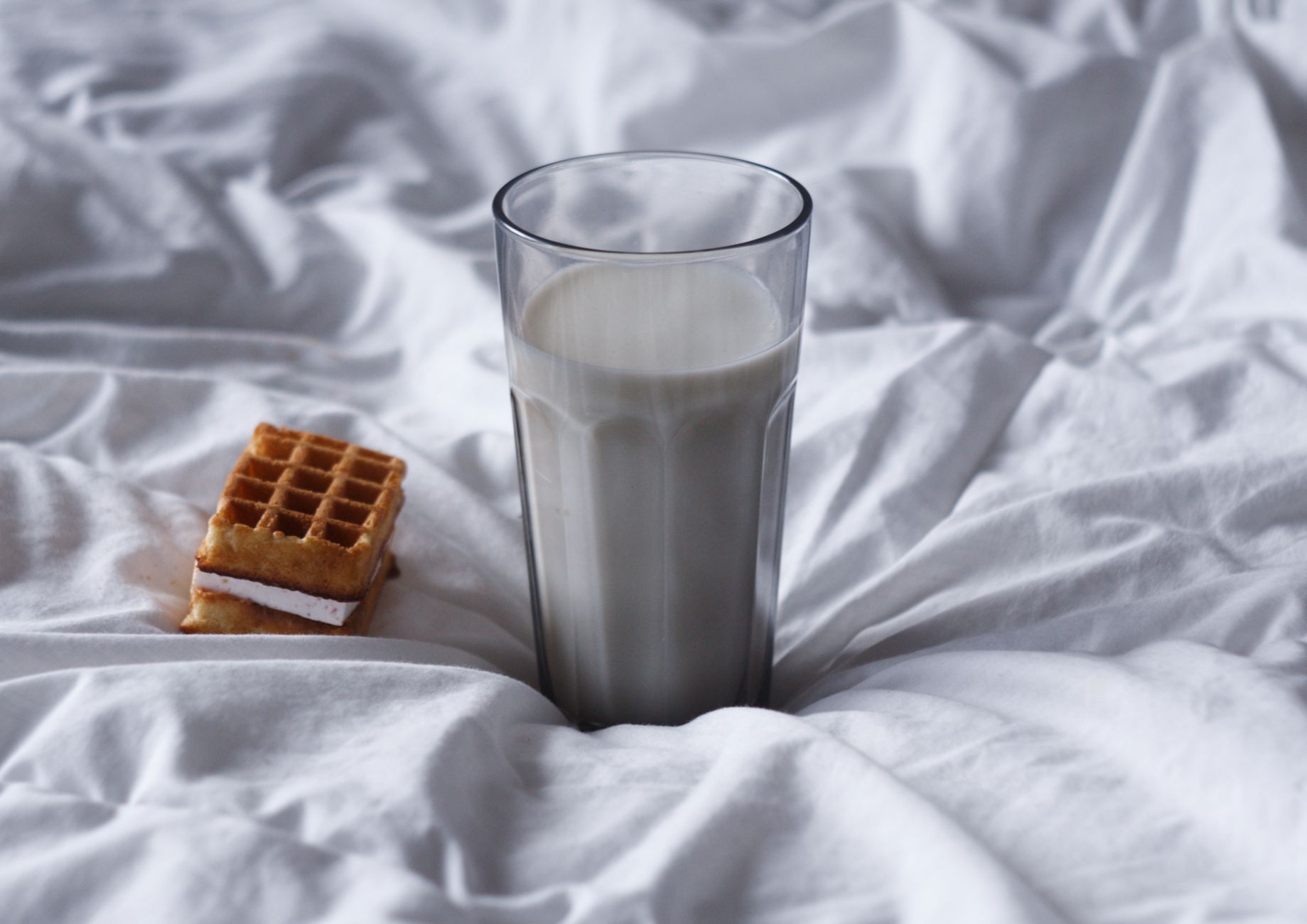
Understanding how long milk can be left out is essential for food safety and maintaining its quality. Milk is a staple ingredient in many kitchens, used for everything from baking to cooking savory dishes. However, improper storage of milk can lead to spoilage and foodborne illness.
This article will explore the duration milk can safely be left out at room temperature, factors affecting its stability, tips for storing milk correctly, and creative serving ideas to help you make the most of this versatile ingredient.
How Long Can Milk Be Out?
Milk can be safely left out at room temperature for about two hours. Beyond this time frame, the risk of harmful bacteria growth increases significantly, which can lead to spoilage and foodborne illnesses. In particularly warm conditions, such as a hot day, it’s advisable to limit this time to just one hour.
Factors Affecting Milk Stability
Several factors influence how long milk can remain safe outside of refrigeration:
- Temperature: The higher the ambient temperature, the faster bacteria multiply. Milk should not be left out in temperatures above 40°F (4°C).
- Type of Milk: Whole milk, skim milk, and plant-based alternatives may have slightly different tolerances when left out due to varying preservatives and processing methods.
- Time of Year: In warmer months, it’s even more crucial to monitor how long milk is left out, as the risk of spoilage increases significantly.
- Exposure to Light: UV light can accelerate spoilage by breaking down some of the nutrients in milk, making it spoil faster.
Signs of Spoiled Milk
It’s important to recognize the signs of spoiled milk. If milk exhibits any of these characteristics, it should not be consumed:
- Odor: Spoiled milk often has a sour smell due to the growth of bacteria.
- Texture: If the milk appears lumpy or has curdled, it’s a clear sign that it has gone bad.
- Color: Discoloration or changes in hue may indicate spoilage.
Best Practices for Storing Milk
Proper storage can help maximize the shelf life of milk:
- Refrigeration: Always keep milk in the refrigerator at or below 40°F (4°C). Store it in the coldest part of the fridge, usually at the back, rather than in the door.
- Seal Tight: Ensure the container is tightly sealed when not in use to prevent exposure to air and moisture, both of which can encourage bacterial growth.
- Avoid Temperature Fluctuations: When taking milk in and out of the fridge, try to minimize the time it spends at room temperature.
What to Do with Left-Out Milk
If you accidentally left milk out for too long but it seems okay at first glance, it’s still best to err on the side of caution. However, if you catch the milk within the two-hour window, consider these uses:
- Baking: If milk is still good, use it to prepare baked goods like cakes, muffins, or pancakes.
- Cooking: Add milk to sauces, soups, and casseroles where it will be cooked thoroughly.
- Breakfast Options: Incorporate milk into smoothies, oatmeal, or cereals for breakfast.
Serving Ideas for Milk
Milk isn’t just a cooking and baking ingredient; it can also be enjoyed on its own or in various beverages:
- Coffee or Tea: Creamy milk can enhance your morning coffee or tea, adding flavor and richness.
- Smoothies: Blend milk with fruits, yogurt, and even greens for a nutritious smoothie.
- Puddings and Custards: Milk forms the base of many desserts, so consider making puddings or custards.
Using Expired Milk
If you discover that milk has expired, there are some creative ways to use it as long as it’s not spoiled:
- In Baking: Use slightly expired milk in recipes where it will be baked, such as bread or muffins, since heat will kill off any bacteria.
- Homemade Cheese: Use expired milk to make homemade ricotta cheese or paneer.
When to Discard Milk
Even if milk has been refrigerated, you shouldn’t keep it if it has expired or if you notice spoilage signs:
- Discard milk that has been left out for over two hours at room temperature.
- Any milk showing curdling or bad odor should be thrown away immediately.
- If the expiration date has passed, evaluate the milk for spoilage signs before consuming.
Alternatives to Milk
If you run out of milk or need a dairy-free option, there are several suitable substitutes you can consider:
- Plant-Based Milks: Almond milk, soy milk, oat milk, and coconut milk are popular options.
- Yogurt: In baking, yogurt can often be a good substitute for milk, adding moisture and tang.
- Water: While it may not impart the same richness, water can often replace milk in cooking to maintain texture.
How to Properly Thaw Frozen Milk
Freezing milk can extend its shelf life, but it’s essential to thaw it correctly:
- Transfer milk from the freezer to the refrigerator for a day or two. This method ensures gradual thawing.
- Avoid using a microwave or hot water, as it can heat the milk unevenly and affect its flavor and texture.
- Once thawed, use the milk within 3–5 days for the best quality.
Conclusion
In summary, milk can safely sit out for a short period of time, but proper storage practices are key to preserving its quality and safety. Be mindful of the signs of spoilage, utilize leftover or expired milk carefully, and explore alternative options when needed.
For those interested in exploring more about dairy products and their uses, consider reading our guides on how long does cottage cheese last after opening or can you substitute milk for heavy cream. These resources will provide additional insight into ingredient preservation and substitutions in your cooking.