
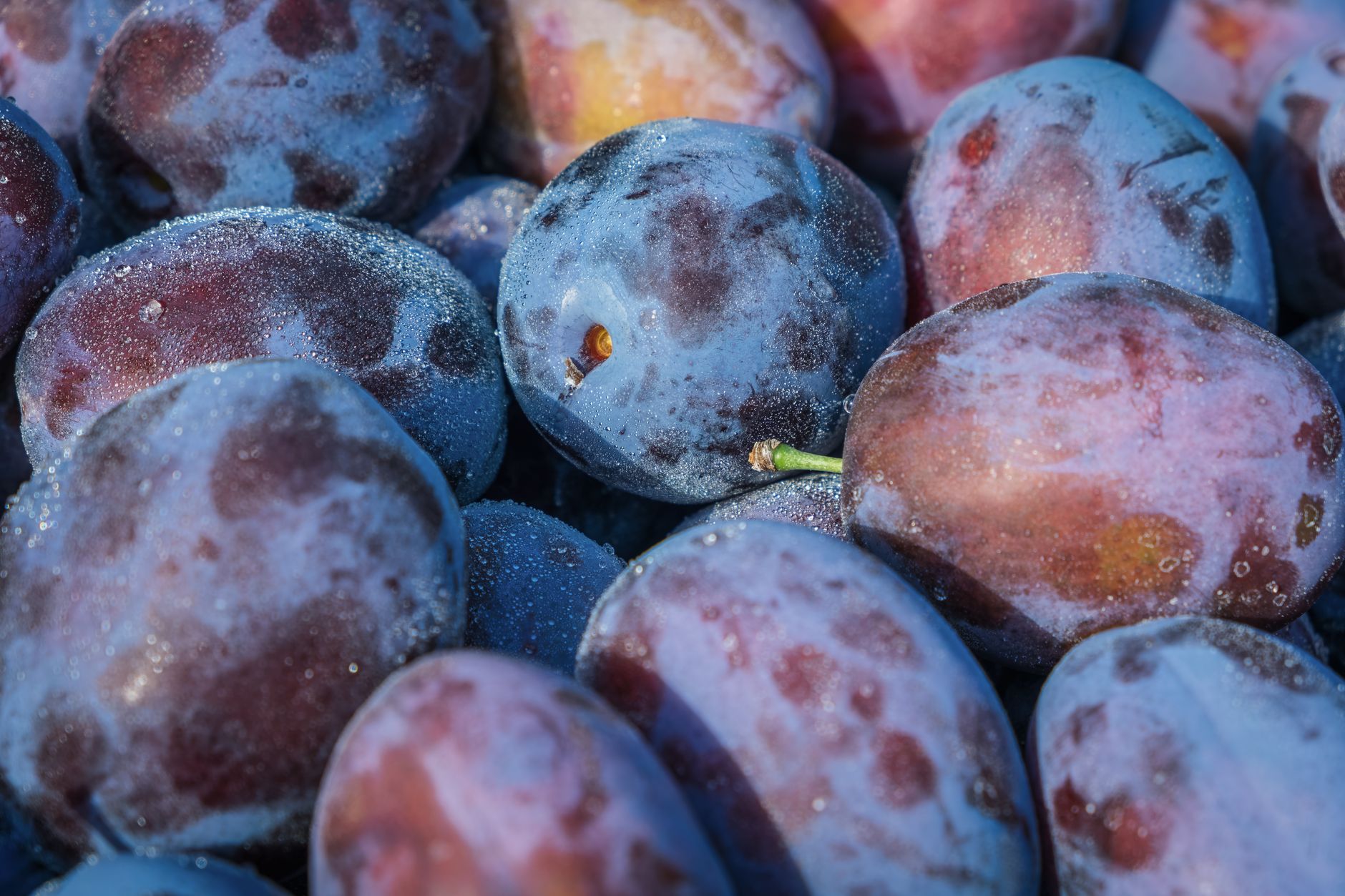
Plums are a delicious and versatile fruit that can enhance both sweet and savory dishes. Although they can be enjoyed fresh, knowing how to properly store them is essential for maintaining their flavor and texture. One common question arises: Do you refrigerate plums? Understanding the right storage method can extend their freshness, allowing you to enjoy this nutritious fruit longer.
This article will explore whether you should refrigerate plums, how long they last based on different storage methods, and the signs of spoilage to look out for. With this knowledge, you can optimize your plum storage and ensure you’re savoring every bite.
Do You Refrigerate Plums?
Plums can be refrigerated, but whether you should do so depends on their ripeness. If the plums are unripe, it is best to store them at room temperature until they ripen. However, if the plums are ripe, you can refrigerate them to prolong their freshness for a few additional days.
Understanding Plum Ripeness
Determining whether to refrigerate plums begins with recognizing their ripeness. Here’s how to assess a plum’s ripeness:
- Fully Ripe: A ripe plum will yield slightly to gentle pressure and have a fragrant aroma. The skin may appear slightly wrinkled.
- Unripe: An unripe plum will be firm and will not give when pressed. It may have a shiny surface and lack a significant fragrance.
Storing Unripe Plums
When storing unripe plums, follow these guidelines to ensure they ripen effectively:
- Keep them at room temperature, ideally in a single layer on the counter or in a fruit bowl.
- Avoid direct sunlight, which can cause uneven ripening.
- Check the plums daily for ripeness, as they can ripen quickly, typically within a few days.
Storing Ripe Plums
Once your plums have ripened, here’s how to store them to maintain their quality:
- Refrigerate: Place ripe plums in the refrigerator to extend their freshness. Store them in the crisper drawer or a breathable bag.
- Best Shelf Life: Ripe plums can typically last for 3 to 5 days when refrigerated.
How to Store Cut Plums
If you cut fresh plums, proper storage becomes even more important:
- Wrap cut plums tightly in plastic wrap or place them in an airtight container.
- Store them in the refrigerator for up to 2 days to maintain their flavor and texture.
- To minimize browning, you can drizzle lemon juice over the cut surfaces before refrigerating.
Tips for Storing Plums
To maximize the lifespan and enjoyment of your plums, consider these additional tips:
- Avoid washing plums until you are ready to eat them. Moisture can promote spoilage.
- Check for mold or spots regularly; remove any affected fruit to prevent spoilage from spreading.
- Store plums away from ethylene-producing fruits like bananas and avocados to avoid premature ripening.
Signs of Spoilage
Knowing how to identify spoiled plums ensures you don’t consume fruit that is past its prime. Look for these signs:
- Appearance: Mold, dark spots, or a shriveled appearance are indicators that plums have spoiled.
- Texture: If the plums feel excessively soft or mushy, they are likely overripened or spoiled.
- Smell: An off or fermented smell indicates that the plums have gone bad.
What to Do with Overripe or Spoiled Plums
If you notice that your plums are overripe or spoiled, here are some ways to utilize them:
- Cooking or Baking: Overripe plums can be used in sauces, jams, or baked goods.
- Freezing: If they aren’t spoiled, consider peeling and freezing them for later use in smoothies or desserts.
- Composting: If the plums are spoiled beyond repair, composting them is an eco-friendly way to dispose of them.
Freezing Plums for Longer Storage
If you have an abundance of plums and want to enjoy them later, freezing is a great option. Here’s how to freeze plums effectively:
- Wash and Dry: Rinse the plums under cold water and then pat them dry with a clean towel.
- Pit and Slice: Cut the plums in half and remove the pit. You can freeze them whole or slice them into smaller pieces.
- Quick Freeze: Spread the plum halves or slices in a single layer on a baking sheet and place them in the freezer for a few hours until frozen.
- Packing for Storage: Transfer the frozen plums to an airtight freezer-safe bag or container, leaving some space for air expansion. Label and date the container.
Frozen plums can last up to 10 months in the freezer. To use them, simply thaw them in the refrigerator or add them directly to smoothies and baked recipes.
Utilizing Plums in Recipes
There are many delicious ways to incorporate plums into your meals. Here are some ideas:
- Salads: Add sliced plums to green salads or grain bowls for a burst of sweetness.
- Sauces and Chutneys: Cook plums down with spices for a flavorful sauce that pairs well with grilled meats.
- Desserts: Use plums in crumbles, tarts, or simply bake them with a sprinkle of sugar and cinnamon.
Common Mistakes When Storing Plums
Here are some frequent errors to avoid when storing plums:
- Storing ripe plums at room temperature too long can lead to spoilage.
- Washing plums before storage will introduce moisture and lead to quicker spoilage.
- Placing plums directly on top of each other can cause bruising, leading to quicker decay.
Note on Plum Varieties
Different varieties of plums may have varying storage requirements and ripening times. Some common types include:
- European Plums: Generally oval in shape and excellent for cooking and baking.
- Japanese Plums: These are typically round and sweeter, ideal for fresh eating.
- Black Plums: Known for their deep purple skin and sweet flesh, they can be used as both fresh and cooked ingredients.
Conclusion
Understanding how to store plums is crucial for maintaining their quality and flavor. For unripe plums, room temperature storage allows for the best ripening, while ripe plums can benefit from refrigeration. Look for signs of spoilage and utilize overripe fruit creatively. By knowing how to properly handle and store plums, you can enjoy this tasty fruit to its fullest.
Ready to explore more about fresh fruits and their storage? Check out our articles on how to store berries, techniques to preserve apples, or ways to freeze other seasonal fruits!