
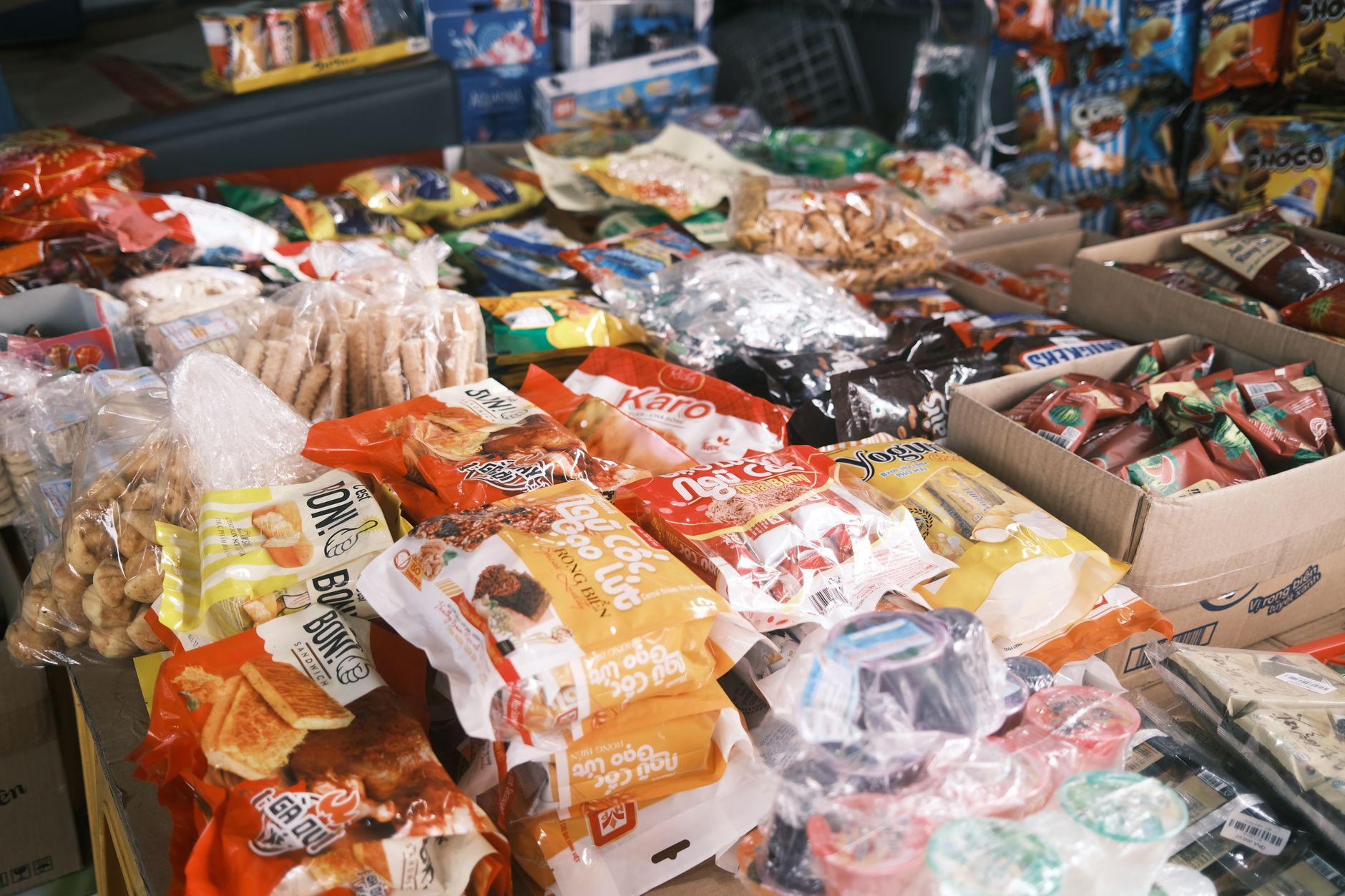
ABC stores, prevalent in various regions, serve as convenient retail outlets offering a variety of goods, including groceries, beverages, and snacks. For food enthusiasts and home cooks, understanding what an ABC store provides can help streamline grocery shopping and meal preparation. In this article, we’ll explore the types of products available, tips on selecting high-quality items, and how to maximize your experience at an ABC store.
From ready-made meals to essential pantry staples, ABC stores can be a valuable resource for anyone looking to prepare delicious meals. Let’s delve deeper into what you can find at an ABC store and how to make the most out of your shopping experience.
What Is an ABC Store?
An ABC store is a retail establishment that typically offers a variety of products ranging from groceries and household items to drinks and snacks. In many regions, especially in the United States and some islands in the Pacific, ABC stores are known for their convenient layout and variety, making them popular spots for quick shopping trips.
The Types of Products Available
ABC stores generally stock a wide range of items that cater to diverse consumer needs. Here are some common categories of products you’ll find:
- Groceries: Canned goods, pasta, rice, spices, and fresh produce.
- Snacks: Chips, cookies, candies, and other quick bites.
- Beverages: Soft drinks, bottled water, juices, and alcoholic beverages (in states where allowed).
- Prepared Foods: Sandwiches, salads, and heat-and-eat meals for convenience.
- Household Items: Cleaning supplies, personal care products, and paper goods.
- Local Specialties: Some ABC stores may offer regional or locally sourced products, adding to their unique inventory.
Shopping Tips for ABC Stores
To make your shopping experience at an ABC store effective and enjoyable, consider the following tips:
- Know Your Needs: Create a shopping list based on your meal plans. This will help you stay focused and avoid impulse buys.
- Check Expiry Dates: Always check the expiration dates on food items to ensure you’re buying the freshest products.
- Look for Sales: ABC stores often have sales or discounts on specific items. Keep an eye out for promotional signs.
- Explore Local Flavors: Take advantage of unique local products that may not be available in larger supermarkets.
- Utilize the Staff: Don’t hesitate to ask staff for recommendations or information about products, especially if you’re trying something new.
Understanding Shelf Life and Storage
When purchasing items at an ABC store, it’s vital to understand their shelf life and proper storage techniques. Here’s a guide to help you keep food fresh:
What is Shelf Life?
Shelf life refers to the length of time that food products remain safe and suitable for consumption. Typically, it is determined by factors such as packaging, storage conditions, and the type of food. Understanding shelf life is essential for meal planning and food safety.
Types of Shelf Life
- Best Before: Indicates the date until which the product is expected to remain at peak quality.
- Expiration Date: The last day a product is guaranteed to be at its best. Consuming after this date may pose safety risks.
- Sell By: The date by which the store should sell the product. It doesn’t indicate safety but can guide you in choosing fresher items.
Tips for Proper Food Storage
Proper storage of the items you buy at an ABC store can extend their shelf life and maintain their quality. Here are some storage tips:
- Refrigerate: Perishable items like dairy products, meat, and fresh produce should be stored in the refrigerator.
- Seal Tight: For opened packages, use airtight containers to prevent spoilage from moisture and air exposure.
- Cool and Dry: Store dry goods such as pasta, rice, and canned items in a cool, dry place away from direct sunlight.
- Use First In, First Out (FIFO): When organizing your pantry, place older items in front of newer ones to ensure that nothing goes to waste.
Signs of Spoilage
Recognizing the signs of spoilage helps ensure food safety in your kitchen. Here are some common spoilage cues:
Visual Signs
- Discoloration: Observe for any unusual colors that appear on fruits, vegetables, or meats.
- Mold Growth: Any visible mold on food items indicates they should be discarded.
- Separation: For packaged products, check if ingredients have started to separate, a cue for spoilage.
Textural Changes
- Softness: Excessively soft or mushy produce is a sign that it is overripe or spoiled.
- Stickiness or Slime: These may suggest bacteria growth, particularly on meats and dairy.
Odor
A strong, unpleasant odor is typically a clear sign that food is no longer safe to eat. Trust your nose when evaluating products!
Maximizing Your Meal Preparation Using ABC Store Ingredients
With careful analysis of the items available at an ABC store, you can create easy meal plans that cater to your culinary needs. Here are some practical meal prep strategies:
Batch Cooking
Batch cooking is an effective way to save time and reduce food waste. Here are steps to efficiently batch cook using ingredients from an ABC store:
- Plan Your Menu: Choose meals that share common ingredients to minimize shopping and prep time.
- Purchase Ingredients: Stick to your list while shopping at the ABC store to ensure you have everything needed for your menu.
- Set Aside Time: Dedicate a few hours to cooking your meals during the week to save time on busy days.
- Store Properly: Use containers that are suited for freezer or refrigerator storage, labeling them with the content and date for convenience.
Creating Balanced Meals
Utilize the diverse selection of products at an ABC store to create balanced meals. Aim for a variety of food groups, such as:
- Protein: Find deli meats, canned beans, and tofu for protein sources.
- Vegetables: Choose fresh, frozen, or canned vegetables to include in your meals.
- Grains: Stock up on rice, pasta, and whole grain products for carbs.
Exploring Meal Ideas with ABC Store Products
If you’re unsure how to use some of the products available at the ABC store, here are some meal ideas:
Quick Breakfast Options
- Overnight Oats: Combine rolled oats with yogurt or milk, and top with fruits and nuts for a satisfying breakfast.
- Smoothie: Blend frozen fruits with yogurt or milk for a quick and nutritious start to the day.
Simple Lunch Ideas
- Wraps: Use deli meats, cheese, and fresh produce to create delicious wraps with a side of chips.
- Salads: Mix canned beans, fresh greens, and dressings for a refreshing salad.
Easy Dinner Dishes
- Stir-fry: Combine pre-cut vegetables and protein with rice or noodles for a quick dinner.
- Taco Night: Use ground meat or beans with taco shells, fresh vegetables, and toppings for a fun family meal.
How to Make the Most of Your ABC Store Experience
When shopping at ABC stores, consider the following to increase satisfaction:
Be Adventurous: Don’t hesitate to explore new products that you may not have tried before. This can lead to discovering new flavors and ingredients.
Follow Store Layout: Familiarize yourself with the store’s layout, as this will help you quickly find the items you need.
Stay Local: Support local products that may be featured in the store. This helps enhance your shopping experience and can sometimes lead to fresher options.
Conclusion
ABC stores offer a variety of food items and essential ingredients that can simplify your cooking and meal preparation. Understanding their products, storage, spoilage signs, and how to maximize your shopping experience can truly change the way you approach meal planning. Armed with ample knowledge about shelf life and food safety, you can navigate these stores efficiently.
Next time you’re planning your meals, consider visiting an ABC store for convenient and diverse options that can help create delightful dishes. Explore our other guides for helpful food tips and meal inspirations.