
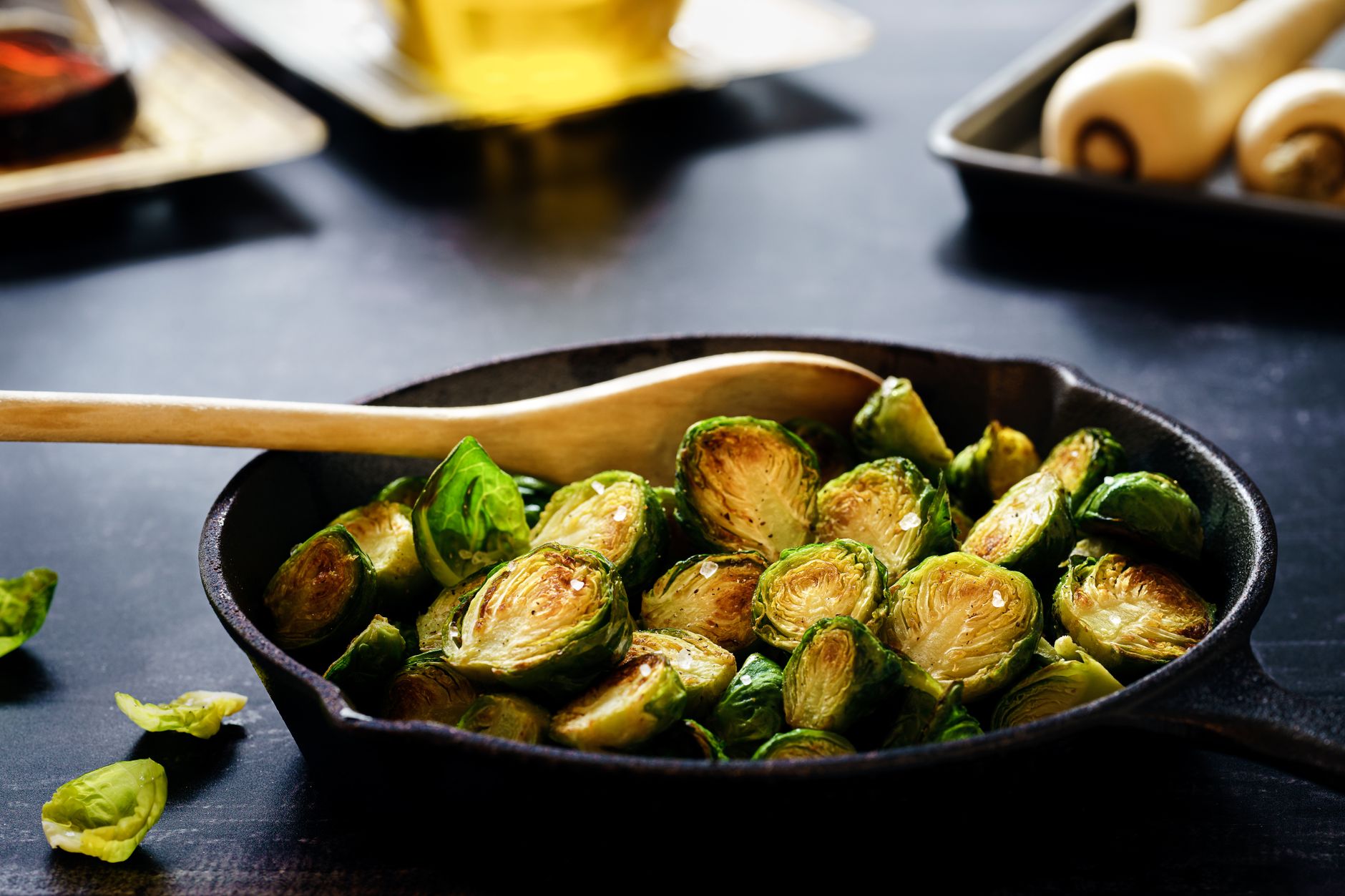
Brussels sprouts are not only nutritious but also incredibly versatile, making them a worthy addition to your meals. Their unique flavor, when cooked well, can transform from a potentially bitter profile to a sweet, nutty delight that pairs well with an array of dishes.
In this guide, you’ll learn everything you need to know about cooking Brussels sprouts, including various methods, tips for selecting and storing them, and how to serve them for maximum appeal. Let’s dive into the various ways you can cook these little cabbages!
How Do You Cook Brussels Sprouts?
Cooking Brussels sprouts can be done in multiple ways, including roasting, steaming, boiling, and sautéing. Each method offers a different flavor and texture profile that can enhance your meal. Choose your preferred method based on your taste and meal requirements.
What Are Brussels Sprouts?
Brussels sprouts are small, round vegetables that belong to the Brassica family, which also includes cabbages, broccoli, and kale. They are known for their distinct flavor and are often used as a side dish or incorporated into salads, soups, and casseroles. Packed with nutrients, Brussels sprouts offer a healthy option for various meal plans.
Selecting Fresh Brussels Sprouts
When selecting Brussels sprouts, look for firm, compact heads with vibrant green leaves. Avoid any that are yellowed or shriveled, as these are likely past their prime. A good Brussels sprout should feel heavy for its size.
Preparing Brussels Sprouts for Cooking
Proper preparation is key to achieving the best flavor and texture from Brussels sprouts. Here’s how to prepare them:
- Wash: Rinse Brussels sprouts under cool running water to remove any dirt or debris.
- Trim: Cut off the tough stem ends, where they connect to the stalk.
- Remove Outer Leaves: Remove any yellow or damaged outer leaves to ensure a pleasant eating experience.
- Cut (Optional): Depending on your cooking method, you may want to cut the sprouts in half or quarter them to promote even cooking.
Cooking Methods for Brussels Sprouts
Let’s explore the most popular methods for cooking Brussels sprouts:
1. Roasting Brussels Sprouts
Roasting Brussels sprouts brings out their natural sweetness and adds a crispy texture.
Ingredients:
- 1 pound Brussels sprouts, prepared
- 2 tablespoons olive oil
- Salt and pepper to taste
- Optional: balsamic vinegar, garlic, or parmesan cheese for additional flavor
Equipment:
- Oven
- Baking sheet
- Parchment paper (optional)
Instructions:
- Preheat the oven to 400°F (200°C).
- On a large baking sheet, toss the prepared Brussels sprouts with olive oil, salt, and pepper.
- Spread them out in a single layer. For extra flavor, add minced garlic or a drizzle of balsamic vinegar at this stage.
- Roast for 20 to 25 minutes, stirring halfway through, until the sprouts are golden brown and crispy on the edges.
- Optional: Sprinkle with parmesan cheese during the last 5 minutes of cooking for a cheesy finish.
2. Steaming Brussels Sprouts
Steaming helps retain the vibrant color and nutrients of Brussels sprouts while providing a tender texture.
Ingredients:
- 1 pound Brussels sprouts, prepared
- Salt to taste
- Optional: lemon juice or butter for serving
Equipment:
- Steamer basket
- Pot with lid
Instructions:
- Fill a pot with about an inch of water and bring it to a boil.
- Place the Brussels sprouts in a steamer basket and set it over the boiling water, ensuring it does not touch the water.
- Cover and steam for 6 to 8 minutes, or until tender but still vibrant in color.
- Remove from heat and season with salt. Add a squeeze of lemon juice or a pat of butter before serving, if desired.
3. Sautéing Brussels Sprouts
Sautéing Brussels sprouts gives them a nice caramelization and a chance to absorb flavors from added ingredients.
Ingredients:
- 1 pound Brussels sprouts, prepared
- 2 tablespoons olive oil or butter
- 2 cloves garlic, minced
- Salt and pepper to taste
Equipment:
- Skillet
- Spatula
Instructions:
- Heat olive oil or butter in a skillet over medium heat.
- Add the Brussels sprouts and season with salt and pepper.
- Sauté for about 10 to 12 minutes, stirring occasionally, until they are golden brown and tender.
- Add minced garlic during the last 2 minutes of cooking for added flavor and aroma.
4. Boiling Brussels Sprouts
Boiling is a straightforward method but be cautious as it can sometimes lead to a loss of flavor and nutrients.
Ingredients:
- 1 pound Brussels sprouts, prepared
- Salt to taste
Equipment:
- Pot
- Colander for draining
Instructions:
- Bring a pot of salted water to a boil.
- Add the Brussels sprouts and cook for about 5 to 7 minutes, or until tender.
- Drain in a colander and season with additional salt or your preferred seasoning before serving.
Flavor Variations and Serving Suggestions
Brussels sprouts can be seasoned in a multitude of ways to complement different dishes:
- Balsamic Glaze: Drizzle a balsamic reduction over roasted sprouts for a tangy sweetness.
- Spicy Kick: Add chili flakes or hot sauce for a spicy flavor profile.
- Nuts and Seeds: Toss with toasted walnuts, almonds, or sesame seeds for an added crunch.
- Cheesy Finish: Top with feta, goat cheese, or parmesan for a rich flavor.
Brussels sprouts can be served alongside roasted meats, mixed into salads, topped with gravy, or even turned into a main dish when paired with grains like quinoa or farro. They can also be enjoyed cold in salads or warm in a grain bowl.
Common Mistakes When Cooking Brussels Sprouts
Here are some common mistakes to avoid when cooking Brussels sprouts:
- Overcooking: This can lead to a mushy texture and unpleasant flavor. Aim for tenderness while retaining a bit of crunch.
- Neglecting to Trim: Failing to trim the stems can result in tough, unappetizing ends. Always cut them down for better eating.
- Underseasoning: Brussels sprouts benefit from good seasoning. Don’t shy away from using salt, pepper, and other spices.
Make-Ahead and Storage Tips
If you’re planning meals ahead of time, Brussels sprouts can be easily prepared in advance:
- Prepping for Later: Clean, trim, and cut Brussels sprouts can be stored in the refrigerator for up to 3 days before cooking.
- Cooked Sprouts: Leftover cooked Brussels sprouts can be stored in an airtight container in the fridge for 3 to 5 days. Reheat in the oven or on the stovetop to retain texture.
Potential Substitutions for Brussels Sprouts
If you find yourself without Brussels sprouts, consider these substitutions:
- Broccoli Florets: Similar in taste and cooking method, broccoli can easily stand in for Brussels sprouts.
- Cabbage: Green or savoy cabbage can provide a texture and flavor contrast as an alternative.
- Green Beans: Cooked similarly, they can provide a crispiness that mimics that of Brussels sprouts.
Nutritional Benefits of Brussels Sprouts
Brussels sprouts are particularly rich in vitamins K and C, fiber, and several antioxidants. They may also support heart health and digestive health. Incorporating them into your meals offers not only flavor but also a nutrition boost.
Brussels sprouts can be a delicious and healthy addition to your meals, regardless of the cooking method you choose. Whether you roast, steam, sauté, or boil, they bring distinct flavor and texture to your table. With proper preparation and seasoning, you can reduce bitterness and enhance the natural sweetness of these little cabbages, creating a dish that is both satisfying and visually appealing.
For a delightful variation, try shaved Brussels sprouts, which make an excellent base for salads or quick sautés. Consider experimenting with different cooking techniques and flavors, and you’ll find yourself returning to this vegetable time and again.