
Tuna is a popular seafood choice known for its versatility and high protein content. But how does it fare when it comes to price? Understanding the costs associated with tuna can help you plan meals, budget effectively, and enjoy this nutritious fish without breaking the bank. In this article, we will explore various types of tuna, their costs, and some practical tips and ideas for serving it in your meals.
From fresh to canned options, the price of tuna can vary significantly based on several factors, including type, source, and market demand. Let’s delve into the details of whether tuna is expensive and how to use it effectively in your meals.
Is Tuna Expensive?
The price of tuna can range from quite affordable to relatively expensive, depending on the type and form of tuna you choose. Fresh tuna, such as sushi-grade varieties, can be more expensive due to high demand and limited supply. In contrast, canned tuna is generally more budget-friendly and widely available. Understanding these differences can help you make informed decisions about purchasing tuna.
Types of Tuna and Their Pricing
Tuna comes in various types with different price points. Here’s a closer look at the most common types of tuna you might encounter:
1. Canned Tuna
Canned tuna is often the most economical choice, with prices typically ranging from $1 to $3 per can, depending on the brand and whether it’s packed in water or oil. Brands like Starkist and Bumble Bee are popular, and you can find both chunk light and solid white varieties. Solid white tuna, which typically contains albacore tuna, is generally more expensive.
2. Fresh Tuna
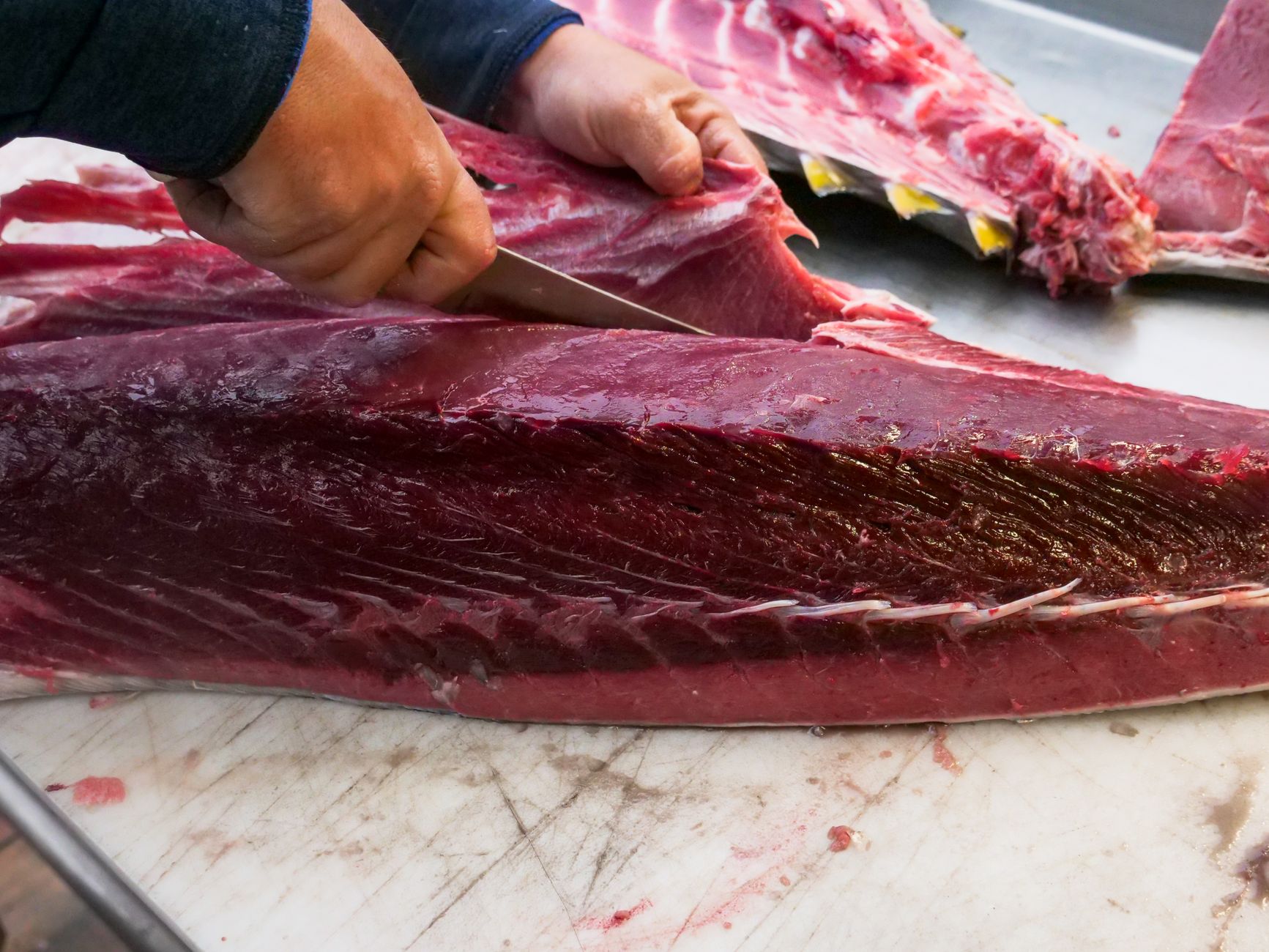
When purchasing fresh tuna, you are likely looking at higher prices due to the freshness and quality. A pound of fresh tuna can range from $10 to $25, depending on the type. Yellowfin tuna is common in markets, often priced around $15 to $20 per pound, while bluefin tuna can exceed $30 per pound or more during peak seasons due to its popularity in sushi.
3. Sushi-Grade Tuna
Sushi-grade tuna is the highest quality available, suitable for raw preparations. Prices for sushi-grade tuna can be significantly higher, often starting at $20 per pound and reaching upwards of $50 in some cases, especially for premium cuts like toro (fatty belly). When purchasing sushi-grade tuna, it’s essential to buy from reputable sources to ensure safety.
4. Frozen Tuna
Frozen tuna can be a convenient and cost-effective option, with prices generally ranging from $8 to $15 per pound. Though slightly less expensive than fresh, frozen tuna still holds much of its flavor and nutritional benefits. Always ensure that the fish is properly thawed before cooking.
Factors Influencing Tuna Prices
Understanding the various elements that affect tuna prices can help you navigate your buying choices. Here are some significant factors:
- Species: Different species of tuna have varying prices, largely due to taste, texture, and availability.
- Catch Methods: Tuna caught using sustainable methods may cost more, reflecting the increased labor and practices that protect the ecosystem.
- Location: Prices can vary drastically based on where the tuna is caught, with some regions having more affordable access than others.
- Seasonality: Tuna prices can fluctuate based on fishing seasons, impacting the freshness and availability of certain types of tuna.
- Market Demand: High demand in sushi and seafood markets can drive prices up, particularly for premium cuts.
How to Use Tuna in Your Meals
Tuna is an incredibly versatile ingredient in the kitchen, allowing for various culinary preparations. Here are some delicious ways to use tuna in your meals:
1. Tuna Salad
Tuna salad is a classic dish that can be enjoyed on its own, in sandwiches, or on crackers. Combine canned tuna with mayonnaise, diced celery, onion, and seasonings for a tasty mixture. Prepare it ahead of time for easy lunches throughout the week.
2. Tuna Pasta
For a quick dinner, consider making a tuna pasta dish. Cook your favorite pasta and toss it with olive oil, garlic, canned tuna, cherry tomatoes, and spinach for a nutritious meal.
3. Tuna Casserole
This comforting dish is made by combining cooked pasta, canned tuna, cream of mushroom soup, and vegetables. Top it with cheese and bake until bubbly for a fulfilling family meal.
4. Tuna Steak
If you prefer fresh tuna, grilling or searing a tuna steak is an excellent option. Season it with salt, pepper, and lemon juice, and cook it to your desired doneness for a flavorful and healthy dinner.
5. Sushi Rolls
Use sushi-grade tuna to create your sushi rolls. Combine it with avocado, cucumber, and a bit of wasabi for an authentic Japanese experience right at home.
Meal Planning with Tuna
Incorporating tuna into your meal planning can help you save money and time, especially with its long shelf life in canned form. Here are some meal ideas for the week:
- Monday: Start the week with a hearty tuna salad served with whole grain bread.
- Tuesday: Prepare a tuna pasta dish for a quick dinner option.
- Wednesday: Make a classic tuna casserole and enjoy leftovers the following day.
- Thursday: Grill tuna steaks with steamed vegetables for a nutritious meal.
- Friday: Create sushi rolls with sushi-grade tuna to celebrate the end of the week.
- Saturday: Try a tuna poke bowl topped with fresh vegetables and rice.
- Sunday: Finish with a tuna-stuffed bell pepper baked in the oven.
Budget-Friendly Tips for Buying Tuna
Keeping your meals affordable while enjoying tuna can be achieved with some smart shopping strategies. Consider the following tips:
- Buy in Bulk: Purchase canned tuna in bulk to save money. Look for sales at local grocery stores or online retailers.
- Check for Sales: Regularly scan store flyers and online shops for discounts on fresh or frozen tuna.
- Choose Lesser-Known Varieties: Fresh or frozen options may be cheaper when choosing less popular tuna species, such as skipjack.
- Utilize Canned Tuna Efficiently: Get creative with using canned tuna in various dishes to maximize its usage before it runs out.
- Explore Local Fish Markets: Find local fish markets for fresher options that might be cheaper than larger grocery store chains.
Common Mistakes When Buying or Using Tuna
While using tuna can be straightforward, some common mistakes can lead to dissatisfaction. Here are pitfalls to avoid:
- Not Checking Labels: When purchasing canned tuna, pay attention to labels for added ingredients or preservatives that you may want to avoid.
- Overcooking Fresh Tuna: Fresh tuna should only be cooked briefly to maintain its tenderness. Avoid cooking it to a dry texture.
- Ignoring Sustainability: Always select tuna that is sustainably caught to support healthy fishing practices and biodiversity.
- Using Only One Variety: Don’t limit yourself to just one type; experiment with different tuna varieties to enjoy diverse flavors and textures.
- Forgetting to Store Properly: Ensure proper storage of canned and fresh tuna to avoid spoilage and extra costs.
Storing Your Tuna
Proper storage of tuna can enhance its shelf life and maintain its quality:
Canned Tuna
Store unopened canned tuna in a cool, dry place. Once opened, transfer any unused portion to a sealed container and refrigerate. Consume within 3-4 days for optimal freshness.
Fresh Tuna
Keep fresh tuna in the coldest part of your refrigerator. If you don’t plan to use it within 1-2 days, it’s best to freeze it. Wrap it tightly in plastic wrap or use an airtight bag to minimize freezer burn. Consume frozen tuna within 2-3 months.
Health and Nutritional Benefits of Tuna
In addition to being a versatile ingredient, tuna is packed with health benefits:
- High in Protein: Tuna is an excellent source of lean protein, vital for muscle health and overall body function.
- Omega-3 Fatty Acids: Tuna contains omega-3 fatty acids, which are essential for heart health and cognitive function.
- Rich in Vitamins: It provides important vitamins and minerals, including vitamin D, vitamin B12, and selenium.
While tuna is nutritious, moderation is key. Due to mercury levels in some tuna species, consult with health recommendations regarding consumption, especially for pregnant individuals or children.
Conclusion
Tuna can range from economical to expensive, depending on the type and source. Canned tuna typically offers the most budget-friendly option, while fresh or sushi-grade tuna can be on the pricier side. Understanding the market and utilizing tuna effectively in your meal planning can help you enjoy this versatile fish without overspending. Explore delicious meal ideas and consider the wondrous culinary uses of tuna for your next meal!
To enhance your tuna dishes, check out our healthy tuna salad recipe or try making a tuna burger for a delightful twist on this classic ingredient.