
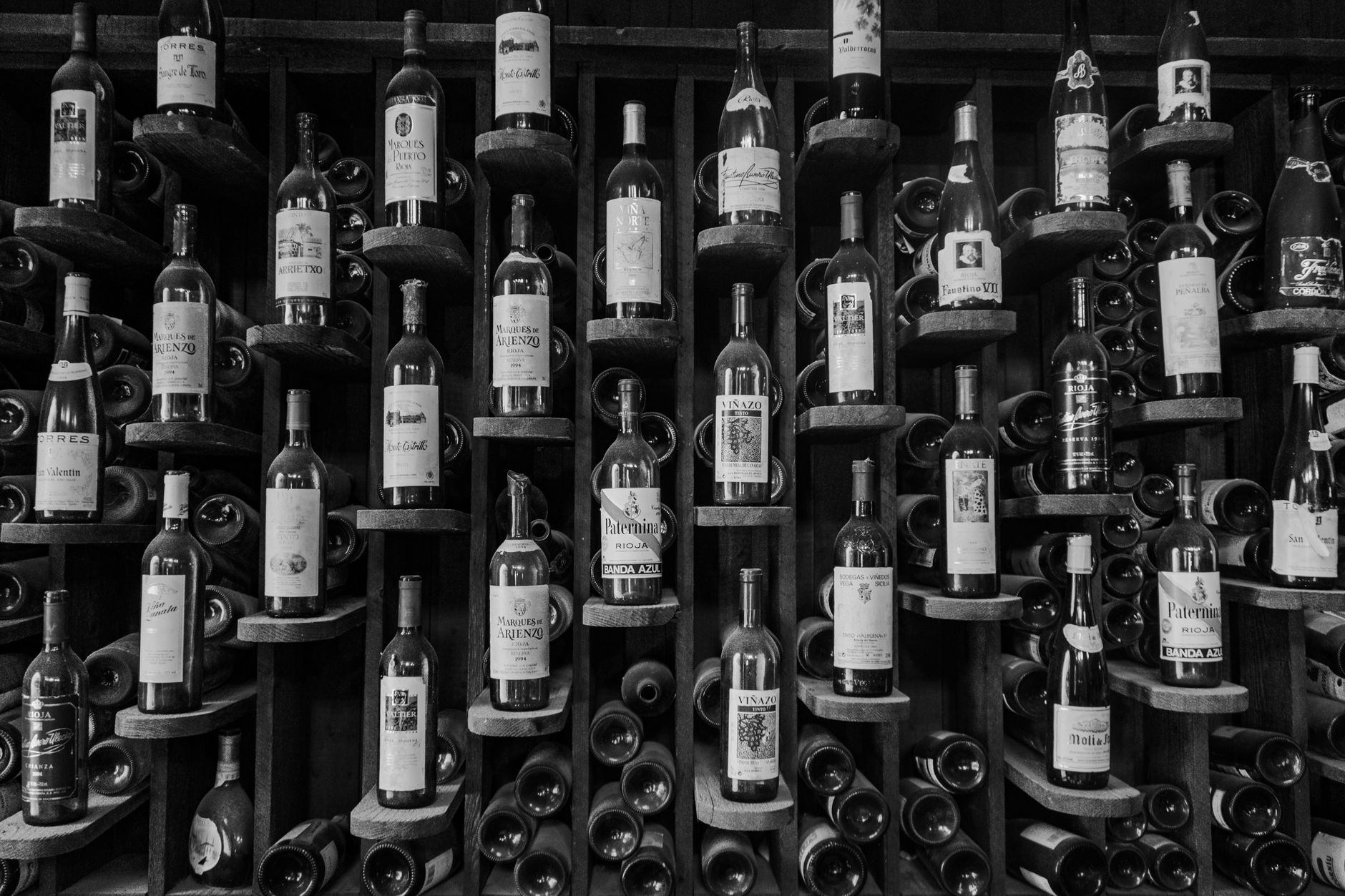
The question of how many cups of wine are in a bottle is essential for both casual and formal settings. Whether you’re planning a dinner party, cooking with wine, or simply curious about serving sizes, understanding this conversion can be quite useful.
A standard bottle of wine contains 750 milliliters, which is equivalent to approximately 3.2 cups. This knowledge can help you execute thoughtful meal pairings, manage portion sizes, and even adjust your recipes accurately. Let’s explore in more detail how this conversion works and why it’s significant.
How Many Cups of Wine in a Bottle?
A standard bottle of wine contains 750 milliliters. To convert this into cups, you can follow these measurements:
- 1 cup = 236.59 milliliters
- 750 milliliters ÷ 236.59 milliliters/cup = approximately 3.17 cups
This rounded figure tells us that there are about 3.2 cups of wine in a typical bottle. Understanding this conversion is necessary when planning meals and recipes that call for wine as an ingredient or when serving wine at events.
Understanding Wine Portions and Measurements
Wine servings can vary based on the occasion, but here are some common measurements to consider:
- Standard Serving Size: A typical serving of wine is 5 ounces (about 150 milliliters).
- Wine Glass Size: Most wine glasses hold between 10 to 14 ounces, allowing for a generous pour.
- Bottle-to-Glass Ratio: If you pour five 5-ounce servings from a 750-milliliter bottle, you can serve approximately 5 glasses.
This means that if you’re hosting a gathering and planning to serve wine, one bottle can easily accommodate the drinks for several guests, ensuring everyone has enough to enjoy throughout the event.
Practical Uses of Conversion Knowledge
Knowing how many cups of wine are in a bottle helps in various scenarios, such as:
1. Cooking with Wine
When preparing certain recipes, wine serves not just as a flavor enhancer but also as a culinary element. Here’s how it impacts different meals:
- Marinades: Using wine in marinades can add depth to meats and vegetables, improving texture and flavor.
- Sauces: Wine can deglaze pans and create rich sauces, enhancing dishes like coq au vin or risottos.
- Baking: Certain desserts, like wine cakes, benefit from the complex flavors that cooking wine adds.
When a recipe calls for a specific amount of wine, knowing the bottle-to-cup conversion allows you to adjust accordingly. For example, if a recipe needs 1 cup of wine, you know you can use about 1/4 of a bottle.
2. Hosting and Serving Wine
Understanding wine measurements is crucial when organizing events:
- Spacing: For dinner parties, knowing how many portions a bottle will provide can help you plan your purchases.
- Variety: Knowing the number of servings per bottle allows you to mix and match different wines rather than buying too many at once.
- Catering: If you’re hiring caterers or a bartender, having the ability to quantify how much wine will be needed is beneficial for cost estimates.
3. Wine Tasting Events
For those hosting wine tastings, it’s important to know the right amount for participants:
- Tasting Portions: A typical tasting pour is about 2 ounces, which means a single bottle can provide approximately 12 tastings.
- Wine Flight Arrangements: Properly measuring pour sizes can enhance the tasting experience without overwhelming guests.
Adjusting Wine Based on Preferences
While serving wine based on standard measurements is practical, individual preferences also come into play. Some people prefer larger pours, while others may stick to smaller portions. It’s essential to tailor the amount based on the context:
- Type of Event: A formal occasion may call for more monitored servings than a casual get-together.
- Guest Familiarity: Knowing your guests’ drinking habits can also help tailor servings.
Wine Measurement Chart
Here’s a handy chart providing conversions for wine measurements. It can serve as a quick reference when cooking or planning events:
| Milliliters | Ounces | Cups | Servings |
|---|---|---|---|
| 750 ml | 25.36 oz | 3.17 cups | 5 servings (5 oz each) |
| 375 ml | 12.68 oz | 1.58 cups | 2.5 servings (5 oz each) |
| 150 ml | 5.07 oz | 0.63 cups | 1 serving (5 oz) |
Common Mistakes and Troubleshooting
Here are some common errors that can occur when dealing with wine measurements and how to avoid them:
- Pour Size Confusion: Ensure you’re familiar with standard serving sizes so your guests don’t drink more than intended.
- Ingredient Miscalculations: When cooking, it’s crucial to maintain the correct proportions—too much or too little wine can significantly affect the flavor.
- Assuming Different Wine Sizes: Always double-check whether you are using a standard bottle or a larger format, such as a magnum, which holds much more wine.
Storage and Preservation of Wine
After opening a bottle, storage becomes important for maintaining quality. Here are some tips:
- Sealing: Use a proper wine stopper or re-cork the bottle to prevent oxidation.
- Refrigeration: Red wine can typically be stored at room temperature, whereas opened white wine is best kept in the fridge.
- Timing: Most opened bottles of wine can last for 3 to 5 days, but this can vary based on the type of wine and storage conditions.
Best Practices for Wine Storage
To ensure the longevity of your wine, here are some recommended practices:
- Store wine bottles horizontally to keep the cork moist.
- Avoid direct sunlight and temperature fluctuations.
- Use a designated wine fridge if you’re a frequent drinker or collector.
Conclusion
Understanding how many cups of wine are in a bottle is a key skill for cooking, creating recipes, and hosting events. Not only does this knowledge enhance meal preparation and serving, but it also ensures a thoughtful approach to wine consumption among guests.
For those who enjoy culinary adventures, whether it’s baking a delightful cake with wine or experimenting with new recipes, this comprehension helps maintain consistency and flavor. Keep the knowledge at your fingertips, and you’ll find that managing wine in your kitchen becomes second nature.
Explore related recipes and guides to further perfect your culinary skills: check out our margarita pitcher recipe or learn about the whiskey sour recipe for more delightful drink inspirations.