
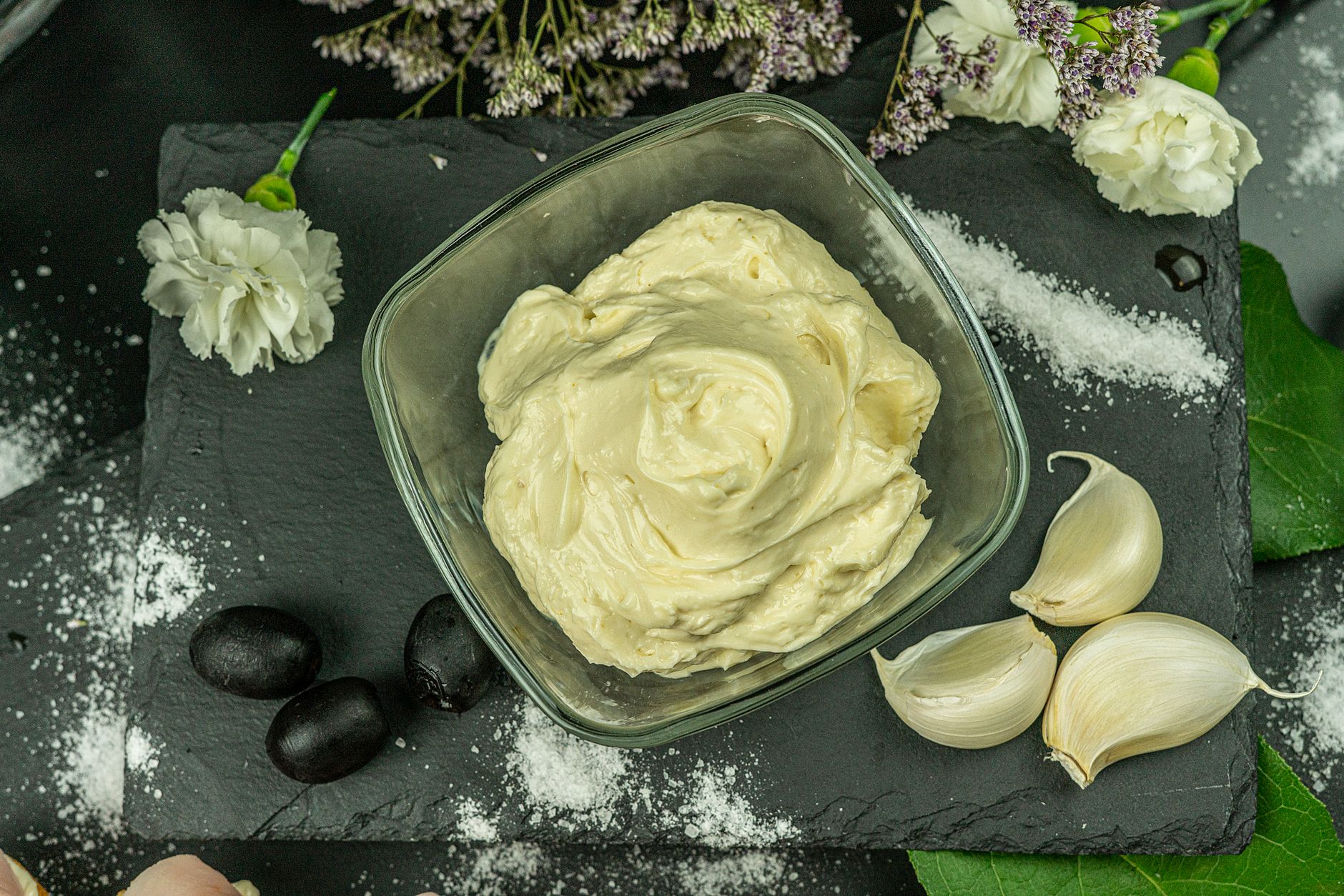
Aioli sauce is a rich, garlicky emulsion that originates from the Mediterranean, commonly associated with Spanish and French cuisines. Its robust flavor and creamy texture make it an excellent accompaniment to a variety of dishes, from seafood to vegetables. In this article, we will explore how to make aioli sauce at home, complete with ingredient tips, variations, and troubleshooting advice.
Whether you are looking to elevate your meal with a homemade dipping sauce or simply want to impress your guests with your culinary skills, learning how to create the perfect aioli will surely be a valuable addition to your kitchen repertoire.
How Do You Make Aioli Sauce?
To make aioli sauce, you will need a few key ingredients, including garlic, egg yolks, olive oil, lemon juice, and salt. The process involves emulsifying the ingredients to achieve a creamy consistency. Once you know the basics, you can easily customize the flavor or adjust the recipe based on your dietary preferences.
Ingredients Needed for Traditional Aioli
Below is a complete list of ingredients you will need to prepare a classic aioli sauce:
- 3 to 4 cloves garlic (adjust based on preference)
- 1 large egg yolk
- 1 cup extra virgin olive oil
- 1 tablespoon lemon juice
- Salt to taste
Ingredient Breakdown
Here’s a closer look at each ingredient and its significance in aioli:
- Garlic: Fresh garlic provides the distinctive and bold flavor characteristic of aioli. Use it raw for the strongest flavor; roasted garlic can be used for a sweeter note.
- Egg yolk: Acts as an emulsifier which helps bind the oil and other components together, creating a smooth and creamy texture.
- Olive oil: The base of aioli, olive oil contributes richness and flavor. Good quality extra virgin olive oil is recommended.
- Lemon juice: Adds brightness and acidity that balances the richness of the oil.
- Salt: Enhances the flavors of the other ingredients.
Essential Equipment
To make aioli, you will need the following equipment:
- A mortar and pestle or a food processor (for garlic preparation)
- A whisk or hand blender (if making by hand)
- A mixing bowl
- A measuring cup and spoons
Step-by-Step Method to Make Aioli Sauce
Follow these steps to create your homemade aioli sauce:
- Prepare the garlic: Start by peeling the garlic cloves. If you have a mortar and pestle, pound the garlic into a paste, adding a pinch of salt to help break it down. If you’re using a food processor, you can easily puree the garlic until smooth.
- Combine egg yolk and garlic: Place the garlic paste and the egg yolk in a mixing bowl. Whisk them together until fully combined.
- Add oil slowly: While whisking, or if using a food processor, begin to add the olive oil in a slow, steady stream. This step is crucial, as adding the oil too quickly can prevent proper emulsification.
- Incorporate lemon juice and salt: Once the mixture becomes creamy and thick, add the lemon juice and salt. Stir continuously until fully mixed in.
- Taste and adjust: Taste the aioli and adjust seasoning if necessary, adding more salt or lemon juice to suit your preference.
- Serve: Once the aioli has reached your desired flavor and consistency, transfer it to a serving dish and enjoy!
AIOLI Variations and Customizations
While traditional aioli is delicious on its own, there are many variations you can try to suit your taste or meal. Here are some ideas:
- Spicy Aioli: Add sriracha or cayenne pepper to give your aioli a kick.
- Herb Aioli: Incorporate fresh herbs such as basil, parsley, or chives for added flavor and color.
- Lemon Aioli: Increase the lemon juice and add lemon zest for a brighter citrus flavor.
- Roasted Pepper Aioli: Blend in roasted red peppers for a smoky addition.
- Chipotle Aioli: Use chipotle peppers in adobo sauce for a smoky, spicy twist. See our Chipotle Aioli Recipe for details.
Common Mistakes When Making Aioli
Here are some common pitfalls to avoid when making aioli:
- Too much oil too fast: Adding the oil too quickly can break the emulsion, leading to a separated mixture. Ensure you add it in a thin, steady stream while whisking vigorously.
- Not using fresh ingredients: Fresh garlic and good quality olive oil are critical to achieving the best flavor. Avoid bottled garlic or oil that is past its prime.
- Over-whisking: If you are whisking by hand, take care not to over-whisk, which can lead to a grainy texture. Stop when you achieve a smooth consistency.
Troubleshooting Aioli
If you encounter issues while making aioli, consider these troubleshooting tips:
- Separation: If the aioli separates, try whisking in an additional egg yolk until the mixture comes back together. Alternatively, you can add a few drops of water and whisk vigorously.
- Too thick: If your aioli is too thick, whisk in a small amount of warm water or additional lemon juice to thin it out.
- Too strong in garlic flavor: If the garlic flavor is overwhelming, you can balance it out by adding a little more olive oil, lemon juice, or salt.
Storing Aioli Sauce
Homemade aioli is best enjoyed fresh, but it can be stored in the refrigerator for up to 3 days. Make sure to keep it in an airtight container to maintain freshness. Note that the flavors may intensify over time.
Serving Suggestions
Aioli can be paired with a variety of dishes, making it a versatile addition to any meal. Here are some popular serving suggestions:
- As a dip for grilled meats and seafood, such as shrimp, chicken, or fish.
- With roasted vegetables or as a spread for sandwiches and burgers.
- As a topping for French fries or roasted potatoes, elevating your typical sides.
- To accompany artisan bread, enhancing your charcuterie or cheese board.
Make-Ahead Tips
If you want to save time, aioli can be made a day in advance. Make sure to store it in an airtight container in the refrigerator. Just remember that the garlic flavor may intensify as it sits, so keep that in mind when adjusting the ingredient amounts.
Conclusion
Making aioli sauce is a simple yet rewarding culinary task that allows you to master the art of emulsions in the kitchen. By following the steps outlined above and experimenting with variations, you can create a delicious addition to your meals. Take the time to explore fresh ingredients and adjust flavors according to your tastes.
Now that you know how to make aioli sauce, why not delve deeper into other related recipes? Check out our Garlic Mayo Recipe for a creamy alternative or explore different layers of flavor with our chipotle version. Happy cooking!