
After donating blood, it’s crucial to replenish your body with the right nutrients. Your body requires specific foods and fluids to help restore your energy levels and maintain overall health. Eating well immediately after blood donation can make a significant difference in how you feel.
In this article, we will explore the best foods and meal ideas to consume after donating blood, emphasizing the importance of hydration and nutrient balance. From simple snacks to fulfilling meals, you’ll find plenty of options to help your body recover.
What to Eat After Blood Donation?
After blood donation, eat foods rich in iron, vitamin C, and protein to help replenish lost nutrients. Focus on hydrating yourself with water or electrolyte-rich drinks. Aim for balanced meals that include whole grains, fruits, vegetables, and lean proteins for optimal recovery.
Why Nutrition Matters After Blood Donation
Blood donation can lead to a temporary decrease in various nutrients, particularly iron, which is crucial for producing hemoglobin in red blood cells. Low iron levels may result in fatigue and weakness. Vitamin C aids the absorption of iron, making it especially important to include in your post-donation diet. Foods high in protein support muscle repair and overall energy levels.
What to Drink After Blood Donation
Staying hydrated is key after donating blood. Here’s a list of beverages that can help:
- Water: Essential for hydration and recovery.
- Electrolyte Drinks: Sports drinks or coconut water replenish lost electrolytes.
- Smoothies: Blend fruits with yogurt or milk for a nutritious drink packed with vitamins.
- Herbal Tea: Soothing and hydrating, herbal teas can be a comforting choice.
Foods to Eat After Blood Donation
Including specific foods after your donation ensures a speedy recovery. Here are some top choices categorized by essential nutrients:
Iron-Rich Foods
To replenish iron levels, consider the following options:
- Red Meat: Beef, lamb, and liver are excellent sources of heme iron.
- Poultry: Chicken and turkey provide a good amount of iron and are lean protein sources.
- Fish: Tuna, salmon, and sardines are beneficial for their iron content and healthy fats.
- Legumes: Lentils, chickpeas, and kidney beans are great plant-based iron sources.
- Dark Leafy Greens: Spinach, kale, and Swiss chard offer non-heme iron.
Vitamin C Sources
Vitamin C aids iron absorption, so including these foods can be beneficial:
- Citrus Fruits: Oranges, grapefruits, and lemons are high in vitamin C.
- Bell Peppers: All colors provide a significant vitamin C boost.
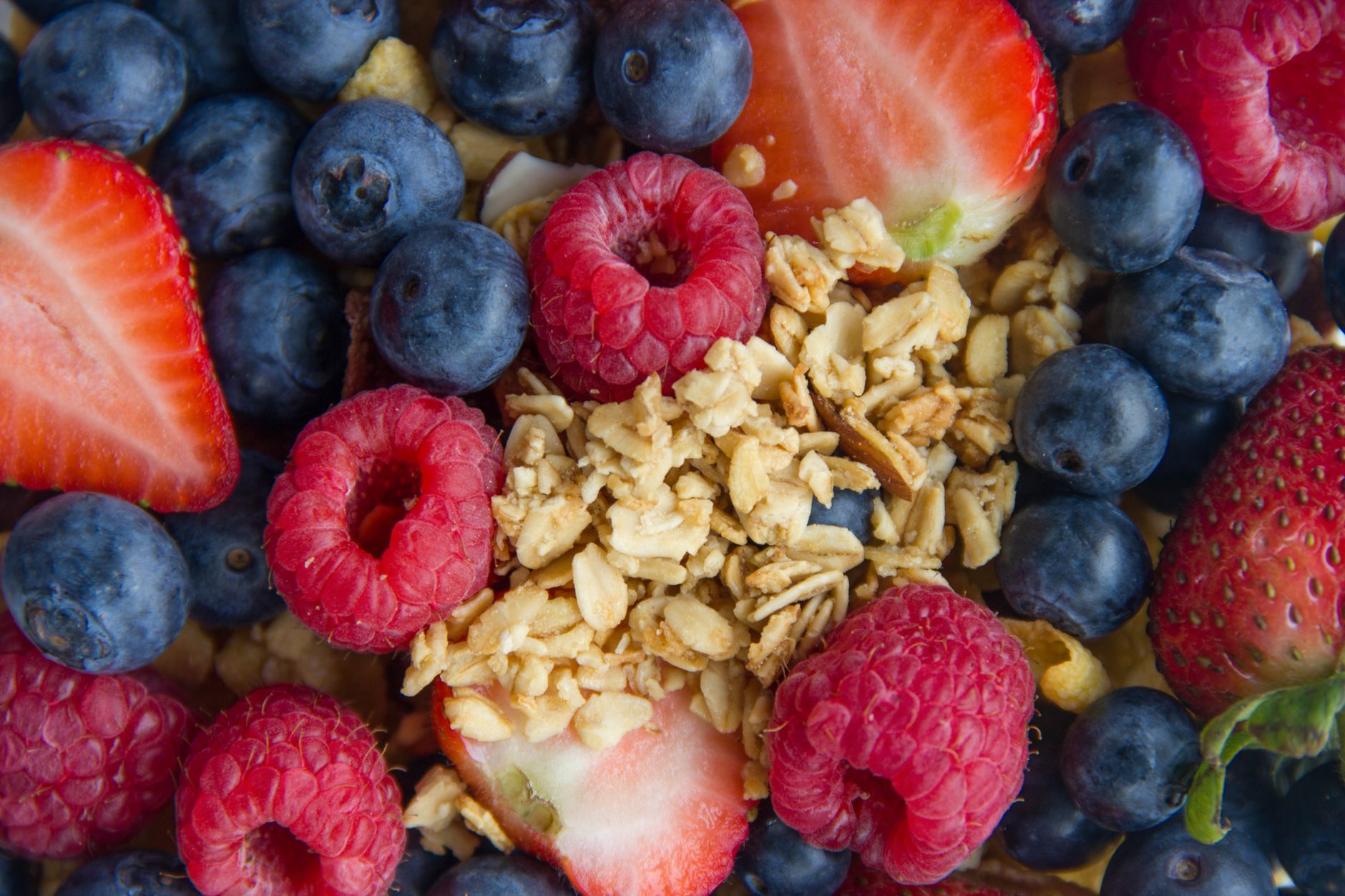
- Berries: Strawberries, blueberries, and raspberries are delicious and nutritious.
- Tomatoes: Both raw and cooked tomatoes contain vitamin C.
Protein Sources
Protein supports muscle recovery and overall energy:
- Eggs: Versatile and rich in protein along with several nutrients.
- Dairy Products: Milk, yogurt, and cheese provide protein and calcium.
- Nuts and Seeds: Almonds, walnuts, and sunflower seeds add healthy fats and protein.
- Whole Grains: Quinoa, brown rice, and oats supply fiber and protein.
Meal Ideas After Blood Donation
Now that you know which foods to consume, here are some simple meal ideas that incorporate these essential nutrients.
Breakfast
- Oatmeal with Berries and Nuts: Cook oatmeal and top with fresh berries and a handful of nuts. This meal is rich in fiber, protein, and antioxidants.
- Scrambled Eggs with Spinach: Scramble eggs and sauté spinach for a hearty, iron-rich breakfast. Serve with whole-grain toast.
- Greek Yogurt Parfait: Layer Greek yogurt with granola and mixed berries for a delicious breakfast that is high in protein and vitamin C.
Lunch
- Quinoa Salad: Toss cooked quinoa with chickpeas, bell peppers, tomatoes, and a lemon vinaigrette for a refreshing, protein-rich salad.
- Chicken Wrap: Fill a whole-grain wrap with grilled chicken, spinach, and a drizzle of tahini for a nutrient-packed lunch.
- Vegetable Stir-Fry: Stir-fry an assortment of colorful vegetables with tofu or shrimp and serve over brown rice.
Dinner
- Grilled Salmon with Kale Salad: Grill salmon fillets and serve with a kale salad topped with citrus dressing to ensure a great balance of nutrients.
- Stuffed Bell Peppers: Fill bell peppers with a mixture of brown rice, black beans, and spices, then bake until tender.
- Lentil Soup: Prepare a hearty lentil soup brimming with vegetables for a warm and satisfying meal.
Snacks
- Trail Mix: Combine nuts, seeds, and dried fruit for a quick and healthy snack.
- Hummus and Veggies: Dip carrots, cucumbers, and bell pepper strips in hummus for a refreshing, nutrient-dense treat.
- Fruit Smoothie: Blend your choice of fruits with yogurt or milk for a refreshing snack.
Common Mistakes to Avoid After Donation
A few common pitfalls can impact your recovery after blood donation:
- Skipping Meals: Avoid skipping meals after donating blood to ensure that you replenish your energy levels and nutrients.
- Consuming Too Much Caffeine: Caffeine can lead to dehydration, so it’s best to limit its intake after donation.
- Not Hydrating Enough: Drinking inadequate amounts of liquid can result in dizziness or fatigue.
Tips for Recovery
Here are a few additional tips to support your recovery after donating blood:
- Rest: Give yourself time to relax and recover; don’t engage in strenuous activities immediately after donation.
- Listen to Your Body: If you feel lightheaded or fatigued, take time to rest and hydrate further.
- Monitor Your Iron Levels: If you’re a frequent donor, consider checking your iron levels regularly with a healthcare provider.
Storage and Meal Prep Tips
Creative meal planning can be especially helpful for post-donation recovery:
- Batch-Cooking: Cook a large batch of food like soups, grains, or legumes, and portion them into containers for easy meals.
- Freeze Meals: Freezing single-serve meals can ensure you always have nutritious food on hand.
- Use Clear Labels: Label containers with the contents and date to minimize waste and help with meal planning.
Conclusion
Eating the right foods after donating blood can play a vital role in your recovery. Focus on iron-rich foods, vitamin C sources, and protein to replenish necessary nutrients and restore your energy levels. With careful planning and the right choices, you’ll feel revitalized and ready for your next adventure.
For more delicious recipes, check out our Chia Pudding Recipe or discover what to eat after illness at our What to Eat After Vomiting guide.