
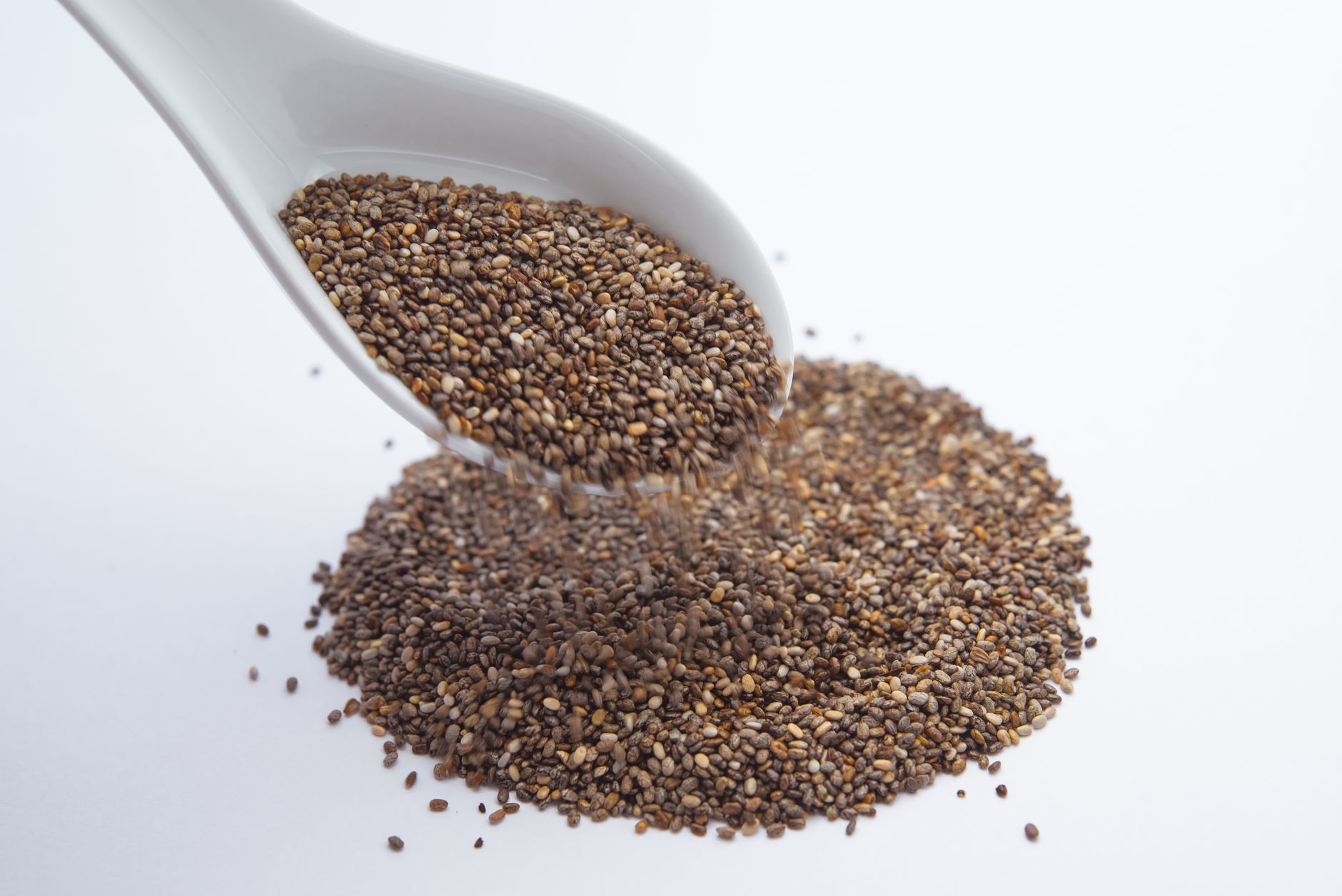
Chia seeds are often celebrated for their nutritional benefits, particularly their fiber content. If you’re wondering how much fiber is in a tablespoon of chia seeds, you’re in the right place. Chia seeds not only add a delightful crunch to your dishes but are also an excellent source of dietary fiber, which is essential for digestive health.
In this article, we will explore the fiber content in chia seeds, their health benefits, and ways to incorporate them into your meals. Understanding how to use these tiny seeds can enhance your diet significantly.
How Much Fiber in a Tbsp of Chia Seeds?
One tablespoon (about 12 grams) of chia seeds contains approximately 4 grams of fiber. This accounts for around 13% of the recommended daily intake for adults, making chia seeds an excellent choice for anyone looking to increase their fiber consumption.
Nutritional Profile of Chia Seeds
Aside from their impressive fiber content, chia seeds boast a rich nutritional profile that includes:
- Protein: About 2 grams per tablespoon
- Fat: Approximately 3 grams, mostly healthy omega-3 fatty acids
- Carbohydrates: Roughly 6 grams per tablespoon
- Calcium, magnesium, phosphorus, and manganese
This combination of nutrients makes chia seeds versatile, serving as a source of energy, proteins, and essential vitamins and minerals.
Health Benefits of Fiber in Chia Seeds
The fiber found in chia seeds contributes to various health benefits:
1. Promotes Digestive Health
Dietary fiber is crucial for maintaining a healthy digestive system. It aids in regular bowel movements, prevents constipation, and helps manage digestive disorders. The soluble fiber in chia seeds absorbs water, forming a gel-like substance that slows digestion, helping you feel fuller for longer.
2. Regulates Blood Sugar Levels
Fiber-rich foods like chia seeds can help stabilize blood sugar levels by slowing the absorption of glucose in the bloodstream. This makes them an excellent choice for individuals with diabetes or those looking to manage their blood sugar levels.
3. Supports Heart Health
Incorporating fiber into your diet can lower cholesterol levels and reduce the risk of heart disease. The omega-3 fatty acids in chia seeds also play a beneficial role in maintaining heart health.
4. Aids in Weight Management
The satiating effect of fiber can help control appetite and reduce overall calorie intake. Including chia seeds in your meals may contribute to weight management, as they help keep you feeling full and satisfied.
How to Incorporate Chia Seeds into Your Diet
There are numerous ways to use chia seeds in your daily meals. Here are some practical ideas:
1. Add to Smoothies
Blend a tablespoon of chia seeds into your favorite smoothie for a nutritional boost. They add texture and help thicken your drink, while also increasing its fiber content.
2. Mix into Yogurt or Oatmeal
Stir chia seeds into yogurt or oatmeal for improved texture and an added fiber punch. They can be mixed in dry or soaked in a liquid for a softer texture.
3. Use in Baking
Chia seeds can replace traditional eggs in baking. Mix 1 tablespoon of chia seeds with 2.5 tablespoons of water, let it sit for about 15 minutes, and use it as a binding agent in recipes for muffins, cookies, or bread. This not only adds fiber but also moisture to your baked goods.
4. Make Chia Pudding
Chia pudding is a popular way to enjoy chia seeds. Combine milk (dairy or plant-based) with chia seeds and a sweetener of your choice, let it soak overnight in the refrigerator, and enjoy it in the morning as a healthy breakfast or snack.
5. Sprinkle on Salads
Add a tablespoon of chia seeds to salads for an extra crunch and a boost of fiber. They can also be included in dressings.
Common Mistakes When Using Chia Seeds
While chia seeds are easy to incorporate into your diet, there are a few common mistakes to avoid:
- Not Soaking: Chia seeds can absorb up to 10 times their weight in water. Not soaking them first can lead to digestive discomfort.
- Using Too Many: Start with one tablespoon and gradually increase your intake. Consuming too many chia seeds at once can lead to digestive issues, as the fiber content is quite high.
- Not Storing Properly: Store chia seeds in an airtight container in a cool, dry place. Improper storage can affect their quality and shelf life.
Chia Seed Recipes
In addition to simple incorporation, here are a couple of recipes featuring chia seeds:
Chia Seed Pudding
- Ingredients:
- 1 cup of almond milk (or any milk of your choice)
- 1/4 cup chia seeds
- 2 tablespoons honey or maple syrup
- 1 teaspoon vanilla extract
- Fresh fruit for topping
- Instructions:
- In a bowl, combine almond milk, chia seeds, honey, and vanilla extract.
- Mix well and let it sit for 5 minutes. Stir again to prevent clumping.
- Cover and refrigerate for at least 2 hours, or overnight.
- Top with fresh fruit before serving.
Chia Seed Smoothie
- Ingredients:
- 1 banana
- 1 cup spinach
- 1 tablespoon chia seeds
- 1 cup of almond milk
- 1 tablespoon peanut butter (optional)
- Instructions:
- In a blender, combine banana, spinach, chia seeds, almond milk, and peanut butter.
- Blend until smooth.
- Pour into a glass and serve immediately.
Storage and Shelf Life of Chia Seeds
Proper storage of chia seeds extends their shelf life. Here are some tips:
- Keep chia seeds in an airtight container.
- Store them in a cool, dark place, such as your pantry or refrigerator.
- Chia seeds can last for up to two years if stored correctly.
Final Thoughts
Chia seeds are a small but mighty addition to any diet, providing significant fiber, protein, and essential nutrients. With about 4 grams of fiber in a tablespoon, they can enhance your meals and contribute to improved digestive health. Making simple changes to your meals and snacks can help you enjoy the wide-ranging benefits of chia seeds.
To learn more about the benefits of chia seeds, you can read our guide on what are the benefits of chia seeds, or discover how long chia seeds should soak by visiting how long should chia seeds soak.