
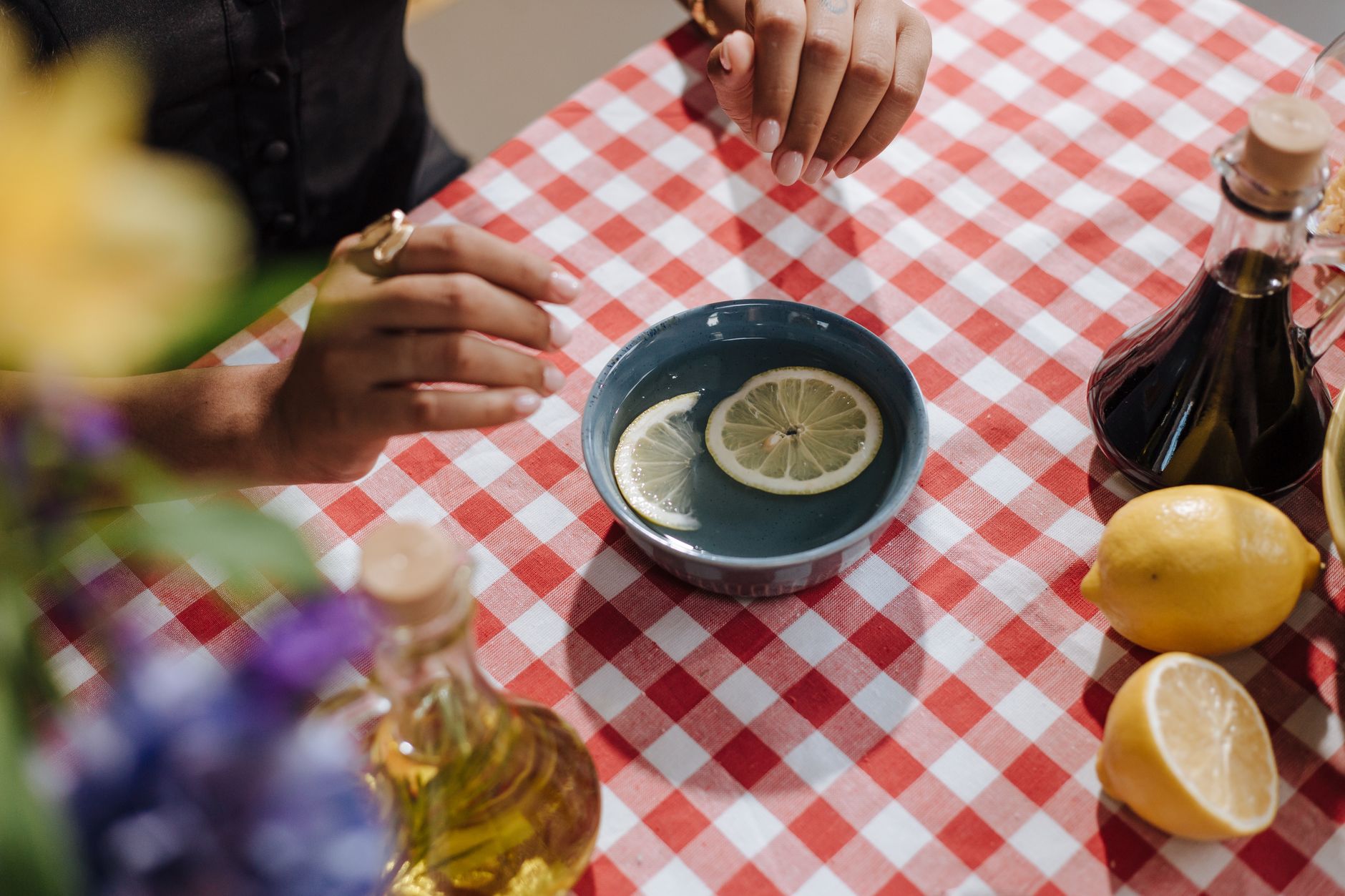
Distilled white vinegar is a versatile kitchen staple known for its sharp flavor and numerous culinary applications. Made through the fermentation of distilled grain alcohol, this clear vinegar is a popular choice among home cooks and professional chefs alike due to its affordability and effectiveness in various recipes, cleaning tasks, and preservation methods.
This article will explore what distilled white vinegar is, its food uses, key facts about its production, and how to incorporate it into your cooking and household routines.
What Is Distilled White Vinegar?
Distilled white vinegar is a clear, acidic liquid produced from the fermentation of grain alcohol, typically derived from corn. It contains around 5-20% acetic acid, which is responsible for its tangy flavor and sharp aroma. The distillation process removes impurities and leaves behind a pure, colorless product, making it a popular choice for culinary and household purposes.
This vinegar is not only a common ingredient in cooking but also an effective cleaning agent thanks to its acidity. It has a neutral flavor compared to other vinegars, which makes it an excellent choice for a range of recipes, from salad dressings to pickling.
Food Uses of Distilled White Vinegar
Salad Dressings and Marinades
One of the most popular uses for distilled white vinegar is in salad dressings and marinades. Its sharp taste complements oils and herbs, creating a well-balanced dressing that enhances the flavors of salads.
- Combine distilled white vinegar with olive oil, mustard, and your favorite herbs for a simple vinaigrette.
- Use it as a tenderizing agent in meat marinades by mixing it with spices and other acidic ingredients.
Pickling
Distilled white vinegar is a go-to option for pickling vegetables due to its high acidity and lack of color, which prevents discoloration. It creates a crisp pickling solution that can be customized with herbs, spices, and sweeteners.
- For quick pickles, combine equal parts distilled white vinegar and water with sugar, salt, and spices, then pour over prepared vegetables.
- Allow the mixture to sit for at least an hour in the refrigerator for best results.
Baking
In baking, distilled white vinegar can serve multiple purposes—from activating baking soda to adding moisture to certain recipes. Its neutral flavor ensures that it won’t alter the taste of your baked goods.
- Use a teaspoon of distilled white vinegar in recipes for cakes, pancakes, or quick breads that include baking soda.
- It can also be used in recipes for buttermilk—mix one tablespoon of vinegar with one cup of milk and let it sit for a few minutes.
Cleaning Agent
Thanks to its antibacterial properties, distilled white vinegar is a popular choice for household cleaning. It can help remove stains, odors, and residue on various surfaces.
- Mix equal parts water and distilled white vinegar in a spray bottle for an effective all-purpose cleaner.
- Use it to descale kettles and coffee makers by running a solution of equal parts vinegar and water through the machine.
Preserving Fruit
Distilled white vinegar can be used to preserve fresh fruits by creating a sweet and tangy syrup. This method not only enhances the flavor but can also help prolong shelf life.
- Prepare a simple syrup by combining equal parts sugar and water with a splash of distilled white vinegar.
- Pour the syrup over sliced fruits and store in the refrigerator for a refreshing treat.
Key Facts About Distilled White Vinegar
Production Process
The production of distilled white vinegar begins with the fermentation of distilled grain alcohol, which is typically derived from corn or other grains. The fermentation process converts the alcohol into acetic acid, resulting in vinegar. This vinegar undergoes distillation to remove impurities, providing a pure, clear liquid.
Flavor Profile
Distilled white vinegar has a sharp, acrid taste that is less complex than other types of vinegar such as balsamic or apple cider vinegar. This makes it an ideal choice for recipes where a strong vinegar flavor is not desired. Its neutral profile allows it to take on the flavors of other ingredients in a dish.
Storage and Shelf Life
To ensure maximum shelf life, store distilled white vinegar in a cool, dark place, away from direct sunlight. When appropriately stored, it can last indefinitely; however, it is best to use it within a couple of years for optimal flavor and potency.
Nutritional Content
Distilled white vinegar is low in calories and contains no fat or carbohydrates. It primarily consists of water and acetic acid, offering a tangy flavor with minimal nutrition. While there are claims regarding potential health benefits associated with vinegar consumption, these should be approached with caution as they are not universally accepted or researched.
Practical Substitutions for Distilled White Vinegar
If you find yourself without distilled white vinegar, several substitutions can work effectively in recipes. Here are a few options:
- Apple Cider Vinegar: This vinegar offers a slightly sweeter flavor with fruity notes. Use it in equal amounts as a substitute.
- Red or White Wine Vinegar: Both varieties can be used in cooking and dressings, although they may alter the final flavor profile slightly.
- Lemon Juice: Its acidity can mimic vinegar, although it will impart a citrus flavor; generally, use a 1:1 ratio.
Common Mistakes When Using Distilled White Vinegar
While distilled white vinegar is quite forgiving, some common mistakes can affect the outcome of your recipes or cleaning tasks.
Overusing Vinegar in Recipes
Too much distilled white vinegar can overpower the overall flavor of a dish. When adding vinegar, start with a small amount and gradually increase to taste.
Storing Improperly
Storing vinegar in areas exposed to heat or sunlight can degrade its quality. Always keep it in a cool, dark place.
Not Diluting for Cleaning
Using undiluted distilled white vinegar for cleaning purposes can be too harsh on certain surfaces. Always dilute it with water unless instructed otherwise.
Serving Suggestions with Distilled White Vinegar
Distilled white vinegar can enhance a variety of dishes. Here are some serving suggestions:
- Drizzle over roasted vegetables for a tangy finish.
- Add to potato or pasta salads for an extra burst of flavor.
- Use in coleslaw dressings for a zesty kick.
- Pair with fresh herbs and spices for flavorful marinades.
Make-Ahead Tips and Storage
When using distilled white vinegar in cooking and meal prep, consider these tips to streamline your kitchen tasks:
- Make large batches of vinaigrette in advance and store them in the refrigerator for quick access.
- Prepare pickled vegetables ahead of time to have them ready for salads and sandwiches.
- Create a cleaning solution using water and vinegar in bulk and keep it handy for regular cleaning sessions.
Conclusion
Distilled white vinegar is more than just a condiment; it’s a multi-functional ingredient that can enhance your cooking, aid in cleaning, and contribute to preservation methods. Understanding its uses, properties, and how to work with it can greatly expand your culinary toolkit. Choose distilled white vinegar for its versatility and effectiveness in the kitchen.
Explore related recipes or cooking tips to further enrich your culinary journey. Consider looking for ideas on making salads or homemade salad dressings to get started using distilled white vinegar in your meals.